Why Is Ai Weiwei Considered a Provocative Artist?
TL;DR
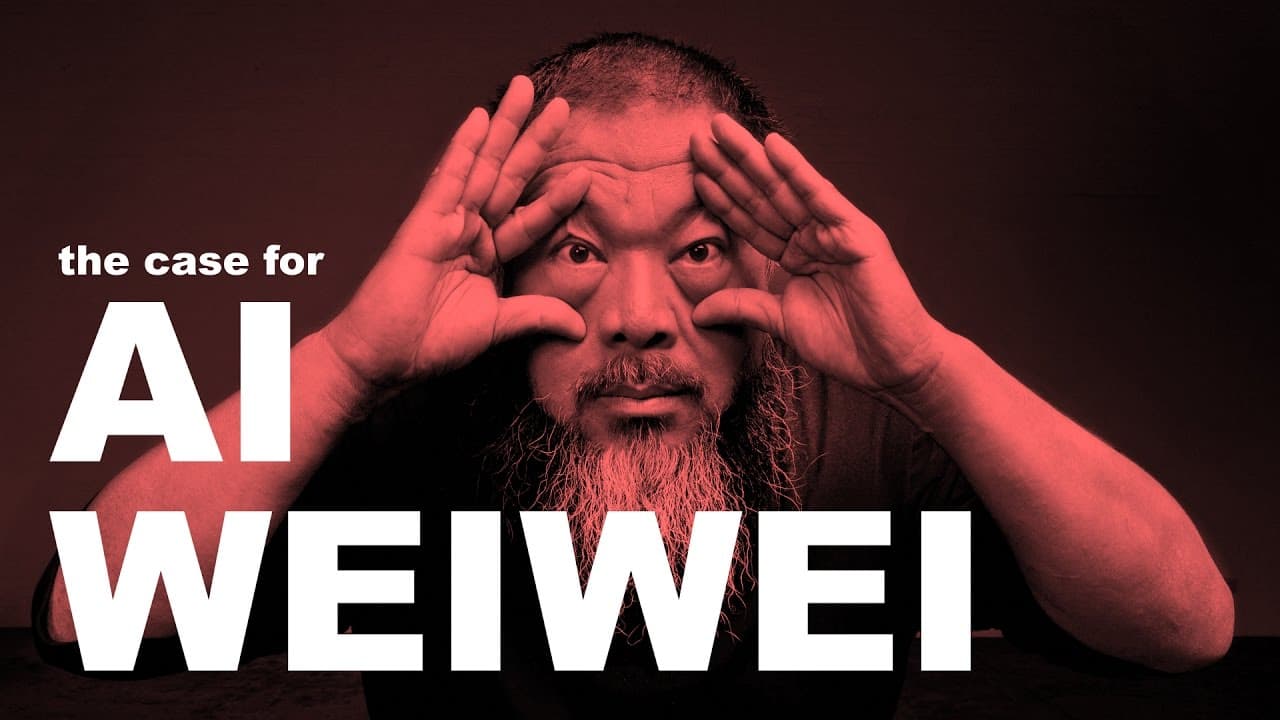
Ai Weiwei is considered a provocative artist because he challenges cultural norms by repurposing historical objects and provoking discussions about the value of heritage. His work critiques government censorship and highlights social issues in China, encouraging audiences to reflect on the importance of remembering and preserving the past amid rapid modernization.
Transcript
NARRATOR: In 1995, Chinese artist Ai Weiwei photographed himself as he picked up a 2000-year-old urn and let it smash to the ground. If we're appalled when cultural heritage is destroyed in the name of god and state, how can we possibly defend Ai's action? How can we buy a ticket to see photos of it in a museum? How can those photos sell for over a... Read More
Key Insights
- 👨🎨 Ai Weiwei's provocative art challenges societal norms and prompts discussions about cultural heritage, preservation, and the impact of rapid development.
- 😒 His use of readymade objects highlights the clash between tradition and modernization in Chinese society.
- 🥰 Ai's activism and art address social and political issues, including government censorship and human rights violations.
- 😒 He serves as a voice for the voiceless and advocates for free speech through his use of social media.
Install to Summarize YouTube Videos and Get Transcripts
Explore YouTube Video Summarizer or Get YouTube Transcript Extractor
Questions & Answers
Q: Why is Ai Weiwei's action of smashing a 2000-year-old urn controversial?
Ai's action of smashing the urn challenges the perception of cultural heritage and raises questions about the value we place on historical objects. It prompts discussions about preservation, destruction, and the clash between reverence for the past and the drive toward the future.
Q: What is the significance of Ai Weiwei's use of readymade objects in his art?
Ai Weiwei's use of readymade objects, particularly Chinese antiquities, allows him to express the tension between tradition and modernization. By repurposing these objects, he highlights the loss of history that occurs with societal change and prompts viewers to reconsider their relationship with cultural heritage.
Q: How does Ai Weiwei address social and political issues in his art?
Ai Weiwei's art serves as a powerful tool for addressing social and political issues. Through his installations and activism, he sheds light on sensitive topics like government censorship, human rights violations, and the consequences of rapid urbanization in China. His works challenge authorities and provoke discussions about these issues.
Q: How does Ai Weiwei's art reflect his belief in the importance of preserving history?
Ai Weiwei's art is deeply rooted in history and tradition. By repurposing and preserving historical objects, he emphasizes the need to remember and value the past. He confronts a culture that prioritizes moving forward without considering the consequences of forgetting and silencing history.
Summary & Key Takeaways
-
Ai Weiwei, born in Beijing in 1957, is a Chinese artist known for his provocative and controversial art installations.
-
His work often involves the destruction and repurposing of cultural heritage objects, sparking conversations about the value of history and tradition.
-
Ai Weiwei's art addresses social issues such as government censorship, human rights, and the impact of rapid urbanization in China.
Read in Other Languages (beta)
Share This Summary 📚
Summarize YouTube Videos and Get Video Transcripts with 1-Click
Try YouTube Summary with ChatGPT & Claude or YouTube Transcript Generator
Explore More Summaries from The Art Assignment 📚


Summarize YouTube Videos and Get Video Transcripts with 1-Click
Try YouTube Summary with ChatGPT & Claude or YouTube Transcript Generator