How to Analyze Art for Deeper Understanding
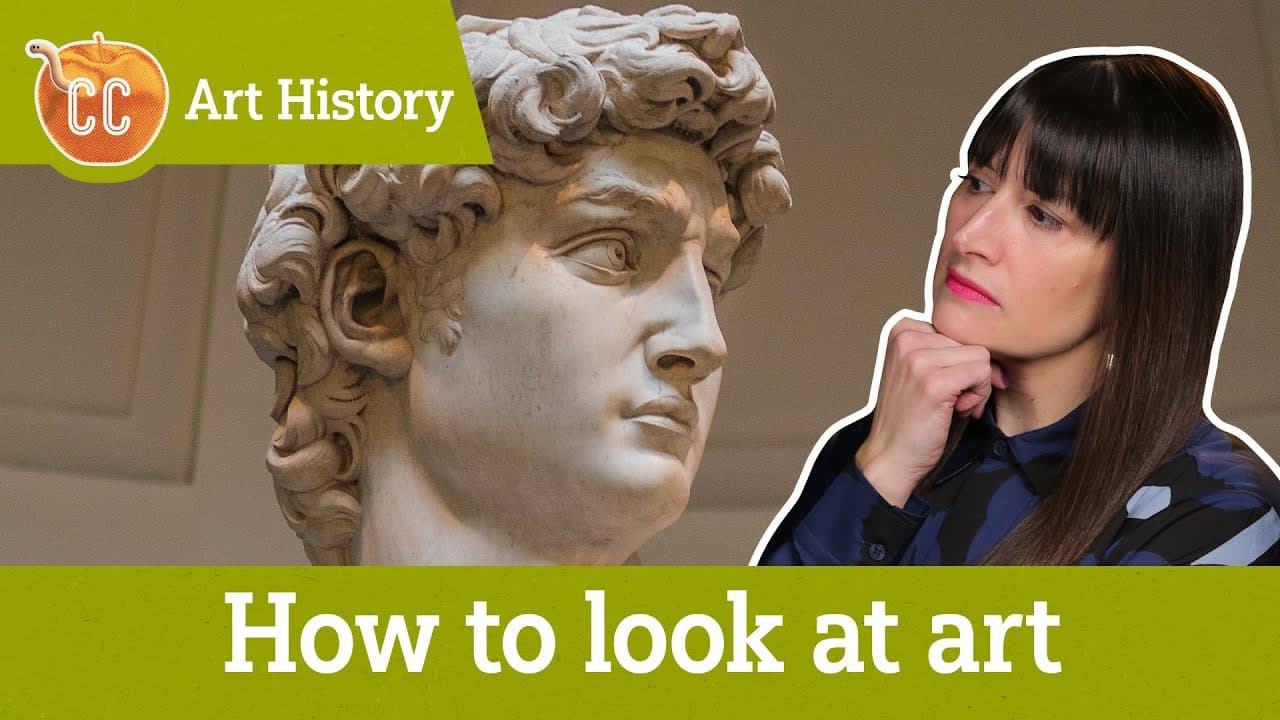
TL;DR
To truly appreciate art, one must look beyond the surface and explore its context, form, and historical significance. Art historians use tools like shape, color, and texture to unlock an artwork's story. By understanding the cultural and historical backdrop, viewers can gain a richer experience and uncover hidden narratives within the art.
Transcript
Less than thirty seconds. That’s about how long I can hold my breath, gargle mouthwash, or last in a staring contest. And it’s also how long research tells us the average museum-goer looks at an artwork. So yeah, not very long. Which raises the question: How much can you understand something you’ve looked at for less than half a minute? You might b... Read More
Key Insights
- The average museum-goer spends less than 30 seconds viewing an artwork.
- Art historians use terms like shape, color, and texture to describe an artwork's form.
- Understanding an artwork's context enhances its meaning and appreciation.
- Romare Bearden's 'Spring Way' is a collage that reflects urban life and African American history.
- The Kuosi Society Elephant Mask from Cameroon signifies wealth and power through its materials.
- The Coyolxauhqui Monolith and Michelangelo's 'David' both depict well-known stories but reflect different cultural values.
- Nudity in art can symbolize heroism or humiliation, depending on cultural context.
- Art is influenced by the culture and time in which it was created, and viewers' backgrounds affect their interpretations.
Install to Summarize YouTube Videos and Get Transcripts
Explore YouTube Video Summarizer or Get YouTube Transcript Extractor
Questions & Answers
Q: How can I better appreciate art?
To appreciate art more fully, spend time observing its form and exploring its context. Use art historians' tools like shape, color, and texture to describe what you see. Investigate the artwork's historical and cultural background to uncover deeper meanings and stories that enhance your understanding and enjoyment.
Q: What tools do art historians use to analyze art?
Art historians use tools such as shape, color, line, volume, and texture to analyze an artwork's form. These elements help describe the visual and physical aspects of art, allowing historians to unlock context and meaning, and to understand the stories and intentions behind the artwork.
Q: Why is context important in art analysis?
Context is crucial in art analysis because it provides the historical, cultural, and social backdrop that influences the creation and interpretation of art. Understanding context allows viewers to see beyond the surface, revealing deeper meanings, narratives, and the artist's intentions, thus enriching the experience of the artwork.
Q: What is the significance of Romare Bearden's 'Spring Way'?
Romare Bearden's 'Spring Way' is significant for its depiction of urban life and African American history. The collage uses a monochromatic color palette and abstract forms to convey the harsh environment of Pittsburgh in the 1920s. It reflects Bearden's connection to the Civil Rights Movement and his aim to represent Black experiences through art.
Q: How does the Kuosi Society Elephant Mask reflect power?
The Kuosi Society Elephant Mask reflects power through its use of rare and imported materials like glass beads and cowrie shells. These materials were expensive and signified wealth and status. The mask's design, representing powerful animals like elephants, further emphasizes the connection between the mask and the authority of its wearer within the Bamileke culture.
Q: What are the cultural differences between the Coyolxauhqui Monolith and Michelangelo's 'David'?
The Coyolxauhqui Monolith and Michelangelo's 'David' reflect different cultural values despite depicting epic stories. The monolith represents the Aztec view of nudity as a sign of defeat, while 'David' symbolizes heroism in Renaissance Italy. These differences highlight how cultural contexts shape the interpretation and significance of nudity and victory in art.
Q: How does personal background affect art interpretation?
Personal background affects art interpretation by influencing how viewers perceive and relate to artworks. Cultural, historical, and personal experiences shape one's understanding and emotional response to art. This subjective lens can lead to diverse interpretations, making art a deeply personal and varied experience for each individual.
Q: What role does cultural context play in art?
Cultural context plays a vital role in art by providing the framework within which an artwork is created and understood. It encompasses the beliefs, values, and historical circumstances of the time, influencing the themes, styles, and meanings of art. Recognizing cultural context allows viewers to appreciate the artwork's significance and its connection to its origin.
Summary & Key Takeaways
-
Art appreciation requires looking beyond the surface to understand its context and form. Using tools like shape, color, and texture, art historians unlock the stories behind artworks. This deeper understanding allows viewers to appreciate the cultural and historical significance, as seen in works like Romare Bearden's 'Spring Way' and the Kuosi Society Elephant Mask.
-
The Kuosi Society Elephant Mask from Cameroon, made with rare materials, signifies power and wealth. Artworks like the Coyolxauhqui Monolith and Michelangelo's 'David' depict epic stories, reflecting cultural values and societal beliefs. Understanding these contexts enhances the viewer's experience and appreciation of art.
-
Art is not only a visual experience but also a cultural and historical one. By exploring the background and context of artworks, such as the Coyolxauhqui Monolith and 'David,' viewers can uncover deeper meanings and narratives. Personal and cultural backgrounds influence how art is perceived and interpreted.
Read in Other Languages (beta)
Share This Summary 📚
Summarize YouTube Videos and Get Video Transcripts with 1-Click
Try YouTube Summary with ChatGPT & Claude or YouTube Transcript Generator
Explore More Summaries from CrashCourse 📚






Summarize YouTube Videos and Get Video Transcripts with 1-Click
Try YouTube Summary with ChatGPT & Claude or YouTube Transcript Generator