How to Balance Hormones With Food and Rest
TL;DR
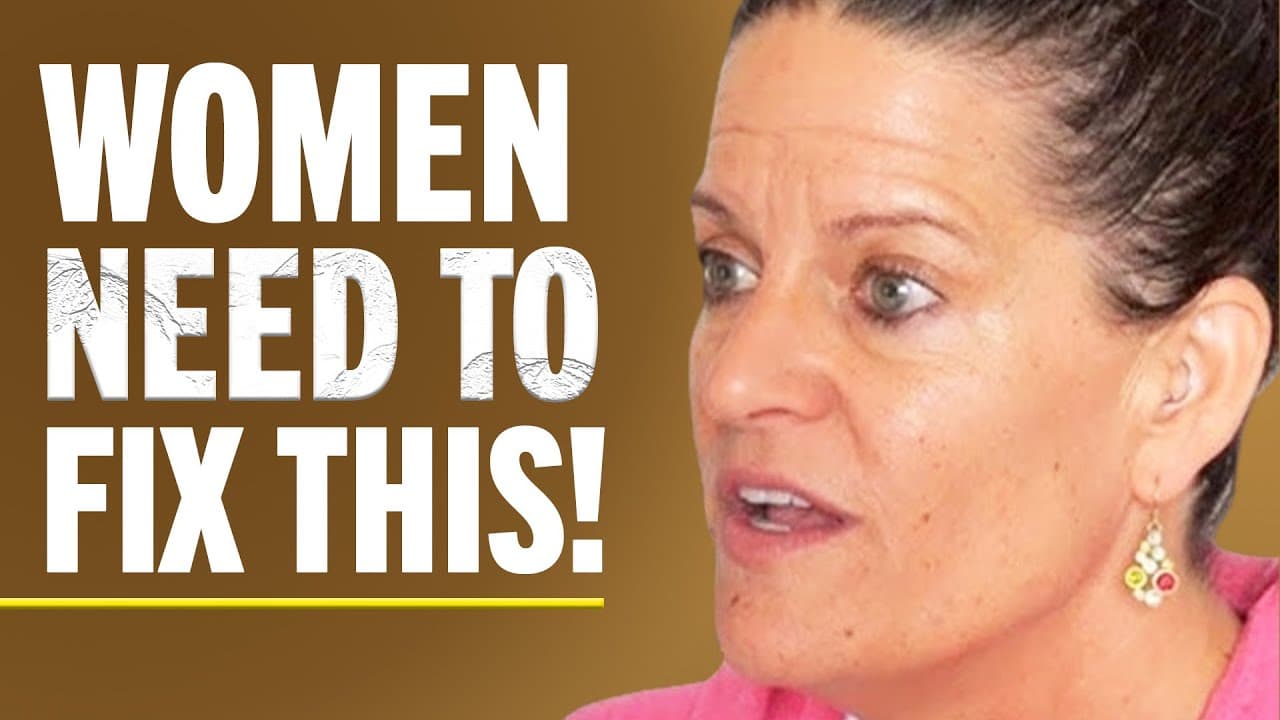
Women can support hormonal balance by adapting food, fasting, exercise, rest, and recovery to their changing biological needs rather than following a single routine designed for everyone. Mindy Pelz argues that cravings, irritability, and other body signals should be understood without self-blame, especially across the menstrual cycle, perimenopause, and menopause.
Transcript
the first two conversations we've had transformed the lives of so many women and many men which we can talk about for sure the today's conversation I wanted to ask you if men and women need to think about their diet differently and if so why uh so the first part of that answer is a th% women's bodies for lack of a better word are just a lot more so... Read More
Key Insights
- Women can have different requirements for food, fasting, exercise, rest, and recovery because their bodies contain more complex reproductive processes. Pelz argues that health guidance should recognize these differences instead of treating men and women as biologically interchangeable.
- Hormonal needs can change throughout the menstrual cycle. Pelz says fasting and eating practices should be adjusted to these changing needs, rather than applied as one fixed routine across every phase of a woman's cycle.
- Premenstrual cravings are common body signals, not automatic evidence of weak discipline. Pelz notes that women frequently report wanting more carbohydrates, chocolate, or sugar during the week before menstruation, suggesting that hormonal changes contribute to the pattern.
- Estrogen, progesterone, and testosterone have different requirements within a woman's body. Pelz says examining the distinct characteristics of these hormones helped her understand why food preferences, energy, recovery needs, and emotional experiences may change over time.
- Negative self-talk can arise when a health habit fails to produce the expected result. Pelz observes that women may blame themselves for being unable to diet or exercise successfully, rather than questioning whether the chosen practice suits their bodies.
- Modern production culture can leave women physiologically dysregulated. Pelz argues that working continuously, carrying family responsibilities, sleeping poorly, and neglecting recovery can affect the nervous system, gut, hormones, and emotional well-being.
- Sex hormones are sensitive to a woman's environment. Pelz says repeated stress can suppress reproductive function, while a poor food environment can alter sex hormones, illustrating why daily conditions matter when discussing cycles and hormonal symptoms.
- Menopause-related irritability can reflect hormonal change combined with unresolved strain. Pelz identifies irritability as the leading menopause symptom in her experience and argues that hormonal shifts can bring previously unresolved emotional difficulties to the surface.
Install to Summarize YouTube Videos and Get Transcripts
Explore YouTube Video Summarizer or Get YouTube Transcript Extractor
Questions & Answers
Q: How should women adjust fasting to their menstrual cycle?
Women should approach fasting as a practice that may need to change across the menstrual cycle rather than following one schedule continuously. Pelz says her work grew from observing that women benefited from cycling their fasting. The central principle is to recognize that the body has different needs at different cycle stages and to work with those signals instead of forcing a routine designed for everyone.
Q: Why do women crave carbohydrates or chocolate before menstruation?
Pelz presents premenstrual cravings for carbohydrates, chocolate, and sugar as hormonally influenced signals rather than proof that a woman lacks discipline. She reports asking audiences whether these cravings increase during the week before menstruation and seeing widespread agreement. Her point is that a recurring pattern shared by many women deserves biological consideration, allowing women to respond with curiosity instead of guilt or harsh self-judgment.
Q: Do women and men need different diets and health routines?
Pelz argues that women and men can have different needs involving food, fasting, exercise, rest, and recovery. She connects this distinction to the greater complexity of a body capable of housing a baby and to the changing roles of female sex hormones. She does not argue that women are less capable. Instead, she says recognizing biological requirements can help women function more effectively within demanding lives.
Q: How can women stop blaming themselves when a diet fails?
Women can begin by considering whether the diet or health habit fits their current biological needs before concluding that they personally failed. Pelz observes that women often respond to an unsuccessful diet or exercise plan with negative statements about their abilities. Understanding menstrual and hormonal signals creates another interpretation: the practice may require adjustment, different timing, more recovery, or a more individualized approach rather than greater self-criticism.
Q: Why does rest matter for women's hormonal health?
Rest matters because Pelz describes female hormones as highly responsive to the environment, including repeated exposure to stress. She argues that women participating fully in work and family life may overlook the recovery needs of their bodies. Recognizing a need for additional rest is not presented as disempowerment. It is framed as a way to support regulation and help women bring their strongest capacities to their responsibilities.
Q: How can chronic stress affect a woman's cycle?
Pelz says repeated exposure to a stressful environment can cause sex hormones to shut down and may lead to loss of the menstrual cycle. She places this concern within a wider pattern of dysregulation involving the nervous system, sleep, gut, emotions, and hormones. Her proposed response begins with acknowledging environmental demands and making regulation, rest, recovery, and greater awareness of body signals higher priorities.
Q: What causes irritability during menopause according to Mindy Pelz?
Pelz says irritability is currently the leading menopause symptom she observes, ahead of hot flashes. She describes menopause as a period when major hormonal shifts may interact with unresolved childhood trauma or accumulated emotional strain. In that framing, irritability is not simply a personality defect. It can be a signal that hormonal change and unresolved experiences are affecting a woman's emotional regulation.
Q: How can men support women through hormonal changes?
Men can support women by learning that food needs, energy, cravings, rest requirements, and emotional experiences may change with menstrual and menopausal hormones. Pelz calls for men and women to examine together how a woman's body can be supported in the modern world. This approach replaces blame with understanding and treats hormonal literacy as useful for partners, families, and communities, not only for women themselves.
Summary & Key Takeaways
-
Mindy Pelz argues that women and men can have different needs around food, fasting, exercise, rest, and recovery. She connects these differences to the complexity of female reproductive biology and says women benefit from understanding how estrogen, progesterone, and testosterone influence their changing physical and emotional needs.
-
Cravings before menstruation are presented as meaningful hormonal signals rather than evidence of poor discipline. Pelz encourages women to replace guilt and negative self-talk with curiosity about their bodies. A health practice that fails may simply be mismatched to a woman's current hormonal stage, environment, or recovery needs.
-
Pelz describes many women as physiologically dysregulated within a culture that rewards constant production. She links chronic stress, inadequate recovery, disrupted sleep, gut problems, and hormonal changes with significant health difficulties. Her proposed starting point is greater body awareness, appropriate rest, supportive food choices, and open discussion involving women and men.
Read in Other Languages (beta)
Share This Summary 📚
Summarize YouTube Videos and Get Video Transcripts with 1-Click
Try YouTube Summary with ChatGPT & Claude or YouTube Transcript Generator
Explore More Summaries from Dr Rangan Chatterjee 📚





Summarize YouTube Videos and Get Video Transcripts with 1-Click
Try YouTube Summary with ChatGPT & Claude or YouTube Transcript Generator