How Will the Senate Deal End the US Shutdown?
TL;DR
The Senate passed a 60–40 compromise that would fund the government at current levels until January 30, leaving House approval as the next step toward reopening. The package does not extend Affordable Care Act premium tax credits, but Senate Republicans agreed to hold a later vote on them, while travel disruptions and missing economic data may persist after the shutdown ends.
Transcript
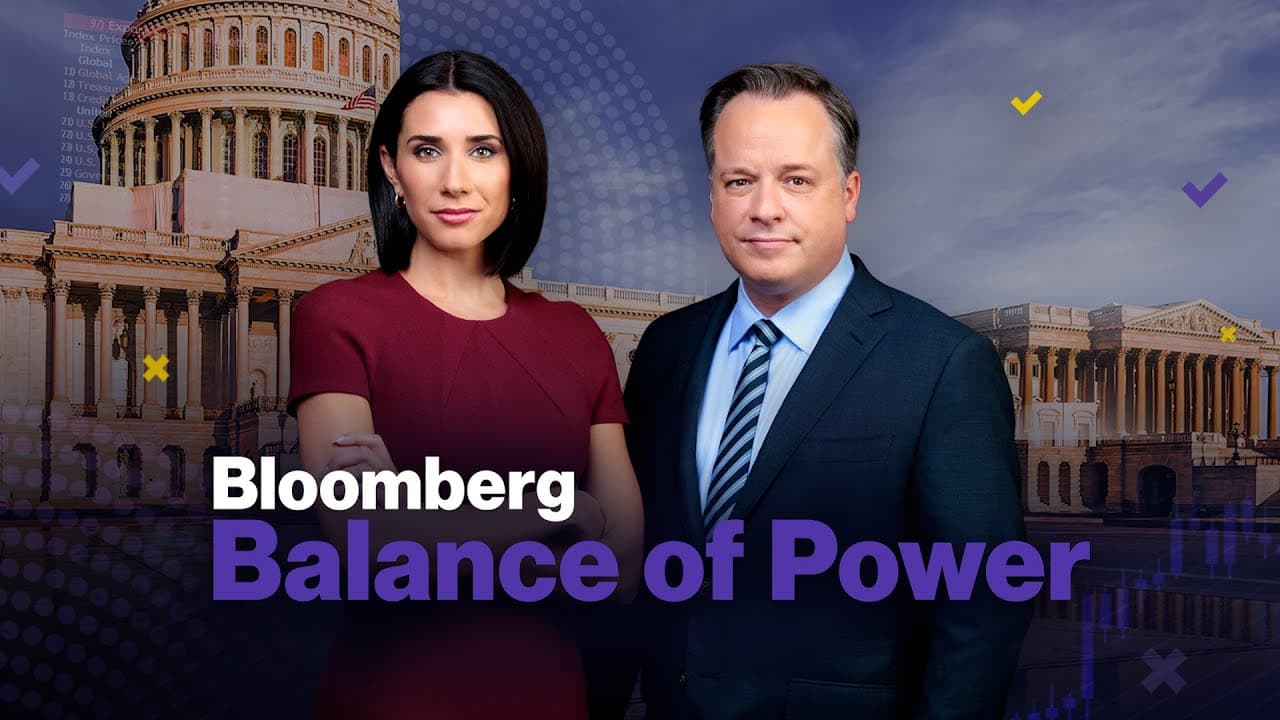
♪ ♪ >> THIS IS "BALANCE OF POWER" LIVE FROM WASHINGTON, D.C.. >> FROM BLOOMBERG’S WASHINGTON, D.C., STUDIO AND TV AND RADIO AUDIENCE WELCOME TO BALANCE OF POWER. TONIGHT ON THE CUSP OF REOPENING THE GOVERNMENT, THE STEPS AHEAD AS THE HOUSE PREPARES TO RECONVENE TOMORROW AFTER 50 DAYS TO PASS THE SENATE’S COMPROMISED BILL. WE WILL BE JOINED BY REPRE... Read More
Key Insights
- The Senate compromise passed 60–40 after seven Democrats and independent Angus King supported the measure, creating a path for the House to vote on reopening the federal government after the prolonged shutdown.
- The funding package would maintain current government spending levels until January 30, while also including funding for January and the Senate as well as increased security, according to the program's account of the legislation.
- The House process begins with the Rules Committee reporting a rule that permits debate and a floor vote, while members must return to Washington despite shutdown-related flight delays and the chamber's narrow voting margin.
- Affordable Care Act premium tax credits are not extended by the compromise, although Senate Republicans agreed to hold a vote on the credits after the government reopens, leaving their future dependent on additional congressional action.
- House Republican Erin Houchin supports structural health policy changes, including possible cost sharing, health savings accounts, greater transparency, and directing resources toward individuals instead of insurance companies, although she offered no precise details for the president's proposal.
- Affordability concerns extend beyond health insurance to housing, groceries, and paychecks, while an October Harris Poll cited on the program found that half of respondents believed the economy was not working for them, up from 41%.
- Financial markets reacted unevenly to reopening optimism, with the S&P 500 and Dow Jones Industrial Average closing at record highs while technology shares weakened following SoftBank's sale of its entire Nvidia stake and concerns about artificial intelligence spending.
- Shutdown-related aviation disruption may continue after the government reopens because airlines have faced operational pressure, flight delays, and possible holiday travel reductions, with the program noting that a return to normal conditions could take weeks.
Install to Summarize YouTube Videos and Get Transcripts
Explore YouTube Video Summarizer or Get YouTube Transcript Extractor
Questions & Answers
Q: How would the Senate deal end the US government shutdown?
The Senate deal would reopen the government by extending current federal funding levels until January 30. It passed the Senate by a 60–40 vote after seven Democrats and independent Angus King supported it. The House must still adopt the package, following Rules Committee consideration and floor debate, before the government can reopen under the compromise.
Q: What happens in the House before the government can reopen?
The House Rules Committee first meets to report a rule establishing debate and voting procedures for the Senate package. Members then consider the measure on the House floor. Lawmakers were returning to Washington despite shutdown-related flight delays, and the narrow Republican margin made attendance important, although some Democrats were also expected to support reopening the government.
Q: Does the funding package extend Affordable Care Act tax credits?
The compromise does not extend the Affordable Care Act premium tax credits. That omission prompted House Democratic opposition and continued debate over rising insurance costs. Senate Republicans agreed to hold a separate vote on the credits after the government reopens, but House Speaker Mike Johnson did not guarantee equivalent House action because he described health care as a complex issue.
Q: What health care alternatives did Republicans discuss?
Republicans discussed structural changes rather than an immediate continuation of the existing premium credits. Ideas mentioned included cost-sharing provisions, expanded health savings accounts, greater pricing transparency, and placing government resources into individual accounts for health-related use. Erin Houchin said these approaches could reduce reliance on insurance companies, but she had not seen a precise version of the president's proposal.
Q: Why is affordability a major political issue in the discussion?
Affordability is politically important because people experience economic conditions through grocery prices, housing costs, health care expenses, and their paychecks. An October Harris Poll cited during the program found that half of respondents said the economy was not working for them, compared with 41% previously. Participants argued that political messaging cannot easily overcome these daily financial experiences.
Q: How did shutdown expectations affect financial markets?
Optimism that the government would soon reopen accompanied record closes for the S&P 500 and Dow Jones Industrial Average, with Apple contributing to the Dow's performance. Technology shares were weaker, however. SoftBank sold its entire Nvidia position, and concerns about artificial intelligence spending and a reduced forecast from CoreWeave added pressure to that part of the market.
Q: Why were airlines still under pressure as reopening approached?
Airlines remained under pressure because shutdown-related flight disruption affected operations, passenger plans, and lawmakers traveling back to Washington. The program raised concerns that carriers might reduce holiday travel plans and reported that airline executives wanted more information supporting safety-related cuts. Even if the government reopened promptly, aviation operations could require weeks to return to normal conditions.
Q: How did the shutdown affect economic data and policy decisions?
The shutdown created concerns that some economic information was not being recorded, complicating assessments of the economy and discussions about Federal Reserve rate decisions. The program also emphasized a divided, or K-shaped, economy in which consumer experiences and spending patterns differ substantially. Corporations were reportedly observing pain and spending pullbacks among parts of the population.
Summary & Key Takeaways
-
The Senate approved a compromise funding package by a 60–40 vote after seven Democrats and independent Angus King broke with their party. The measure would maintain current government funding until January 30. House members were returning to Washington for Rules Committee proceedings and a closely divided vote expected to reopen the government.
-
Health care remained the central unresolved dispute because the funding package omitted an extension of Affordable Care Act premium tax credits. Republicans discussed structural changes, cost sharing, health savings accounts, transparency, and directing resources to individuals. Democrats opposed the bill because it provided no immediate extension of the credits.
-
Shutdown effects extended beyond Capitol Hill into aviation, economic analysis, food assistance, and financial markets. Flight delays complicated lawmakers' return and raised concerns about holiday travel. Markets welcomed reopening prospects, although Nvidia and other technology shares weakened amid questions about artificial intelligence spending, while Americans continued reporting affordability pressures.
Read in Other Languages (beta)
Share This Summary 📚
Summarize YouTube Videos and Get Video Transcripts with 1-Click
Try YouTube Summary with ChatGPT & Claude or YouTube Transcript Generator
Explore More Summaries from Bloomberg Television 📚




Summarize YouTube Videos and Get Video Transcripts with 1-Click
Try YouTube Summary with ChatGPT & Claude or YouTube Transcript Generator