How to talk about mental health openly and safely?
TL;DR
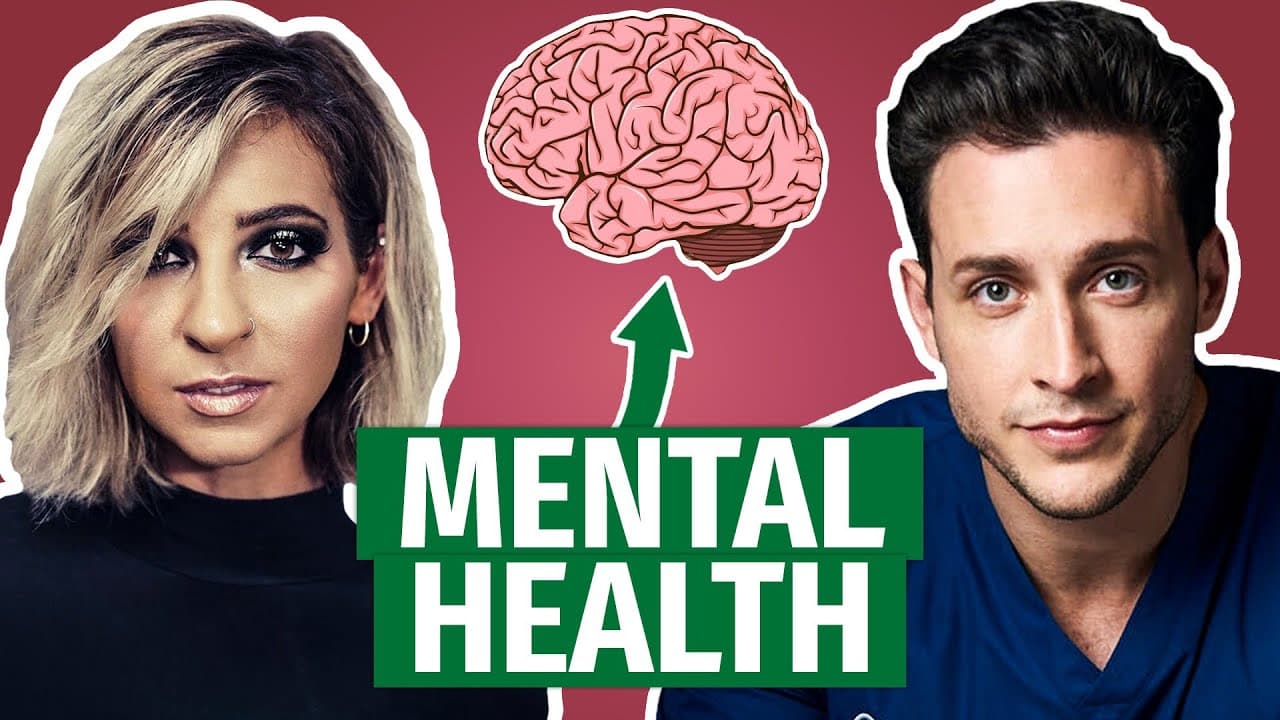
An open, honest dialogue about mental health reduces stigma and helps people seek support. Do not label others prematurely, and rely on professional assessment to distinguish traits from disorders. Discuss how environment, upbringing, and substances can influence behavior, while prioritizing compassionate, nonjudgmental conversations with clinicians.
Transcript
- You're getting 9 P.M. Gabbie tonight. - Okay, is that special?
- Usually they get like, noon Gabbie.
- Oh my god, okay. - No just like, less obnoxious. - Oh, now you guys know the backstory. Welcome to another Ask Doctor Mike Episode, I have the lovely Gabbie Hanna with me today.
- Hi guys. - She does amazing work on her channel, talking about al... Read More
Key Insights
- Anxiety and depressive symptoms have risen and are observed in the discussion as a concern in modern media and daily life.
- The key to accurate labeling is distinguishing between narcissistic traits and narcissistic personality disorder, which have different impacts on functioning.
- Disorder labels reflect impairment in major life areas such as work and relationships, not mere personality quirks.
- Sociopathy is referred to as antisocial personality disorder in medical terms, requiring careful assessment.
- Someone under substance influence can mimic certain patterns, which can lead to incorrect labeling without proper evaluation.
- Diagnoses require multiple visits and a comprehensive history rather than conclusions from single conversations.
- Labeling should be avoided when the person has not yet received professional assessment or sufficient evidence.
- Open dialogue about mental health reduces stigma and encourages seeking help instead of suffering in silence.
Install to Summarize YouTube Videos and Get Transcripts
Explore YouTube Video Summarizer or Get YouTube Transcript Extractor
Questions & Answers
Q: A real search query question about the video (e.g. 'How to...', 'What is...', 'Why does...', 'When should...'). Question 1
Understanding the difference between narcissistic traits and narcissistic personality disorder is essential, as traits can be common and non impairing while a disorder affects work, relationships, and wellbeing. The video emphasizes that accurate labeling requires evaluation by a clinician, not casual observation from social media or personal judgment. This helps prevent misunderstandings and stigmatization.
Q: Question 2
The conversation explains that sociopathy is medically termed antisocial personality disorder, and that labels should be used carefully. A diagnosis should consider context, history, and current functioning. Mislabeling can harm a person by locking in a negative identity and discouraging them from seeking appropriate treatment.
Q: Question 3
Clinical assessment involves more than a surface impression, including history, family background, and the person’s patterns across settings. The speakers argue that a single interaction or video appearance cannot determine a mental health condition, stressing the need for ongoing evaluation and trust-building with a healthcare professional.
Q: Question 4
Substance use can mimic or mask mental health symptoms, making diagnosis tricky. The discussion highlights that clinicians must distinguish between primary disorders and effects caused by drugs or alcohol. Misattribution can lead to improper treatment plans, so comprehensive assessment is critical.
Q: Question 5
Labeling someone with a diagnosis is not inherently bad, but doing so prematurely can stigmatize and misinform. The speakers advocate discussing diagnoses with a clinician first, ensuring the person understands their condition and available treatment. This approach normalizes help-seeking and reduces fear around mental illness.
Q: Question 6
The need for open, compassionate conversations about mental health is stressed to counter stigma. When people feel safe discussing their experiences, they are more likely to seek help and support, leading to better coping strategies and less self medication or isolation.
Q: Question 7
The video discusses the difference between narcissistic traits that exist in many people and narcissistic personality disorder that disrupts life functioning. Understanding this distinction helps avoid oversimplified judgments about others and supports more accurate, empathetic conversations.
Q: Question 8
Medical terminology matters in mental health discussions. Using precise terms helps ensure clear communication among patients, families, and professionals, guiding appropriate care plans. The speakers advise education over sensational labeling to promote healthier attitudes and better outcomes for those affected.
Summary & Key Takeaways
-
Talking openly about mental health can start healing and reduce stigma by giving people a language to describe their experiences. It also helps communities understand anxiety, depression, and eating disorders and encourages dialogue over shame. The conversation should include clinicians and trusted voices to guide proper care.
-
Labeling people too quickly with medical terms is unsafe and inaccurate when based on limited observation. Distinctions exist between traits and disorders, and context matters greatly. A careful clinical approach prevents misdiagnosis and protects individuals from unfair stigma.
-
Discussing mental health requires caution about media portrayals and simplistic terms. Medical language matters, as terms like sociopath relate to antisocial personality disorder, not casual slang. Focusing on education, diagnosis, and treatment helps people access appropriate support and improves overall wellbeing.
Read in Other Languages (beta)
Share This Summary 📚
Summarize YouTube Videos and Get Video Transcripts with 1-Click
Try YouTube Summary with ChatGPT & Claude or YouTube Transcript Generator
Explore More Summaries from Doctor Mike 📚


Summarize YouTube Videos and Get Video Transcripts with 1-Click
Try YouTube Summary with ChatGPT & Claude or YouTube Transcript Generator