What Are Things Bad Doctors Say?
TL;DR
Bad doctors jump to rare diagnoses, sell their own products, treat problems before identifying their cause, ignore patients, and bark orders without explaining them. The transcript contrasts these behaviors with testing plausible causes, taking a history, performing a physical exam, and developing a collaborative plan. Read on for the specific warning signs and the better approach shown for each encounter.
Transcript
- In my years of training, I've come across plenty of doctors who weren't so great. Here are seven doctors, that if you come across, you should probably look elsewhere. - Hi, doctor.
- Hey. - [Patient] (coughs) Oh man, I just feel awful. - Yeah, so do I.
- I think I got the flu. - Yup, you... Wait, what symptoms are you having? Do you have a fever?... Read More
Key Insights
- Start with likely explanations: Fever, chills, back pain, and a possible rash do not justify immediately announcing smallpox. The narrator says that choosing the rarest diagnosis first can make the patient’s life difficult and divert attention from common presenting diagnoses. A careful response considers common causes while checking alternatives.
- Testing balances diagnostic caution: The better doctor says a common cold or flu is more likely, but does not treat that likelihood as certainty. Testing for other viruses and bacteria is still proposed. This approach addresses the patient’s concern without creating panic or pretending that less likely explanations are impossible.
- Dramatic certainty can cause fear: After the fictional doctor announces smallpox and an outbreak, the patient worries about a child whose hat he handled on the train. The scene shows how an unsupported declaration can rapidly expand a patient’s anxiety. Diagnostic communication therefore matters before evidence has established the cause.
- Personal sales create skepticism: The narrator specifically advises skepticism when a doctor tries to sell something the doctor made. The warning becomes stronger when the product uses a proprietary blend. In the fatigue scene, the product pitch replaces an investigation into why the patient feels tired.
- Evasion compounds the sales warning: When the patient asks whether the potion is FDA approved, the doctor answers with wordplay about an approved building and nearby rental space. The response does not address the question. Within the scene, that evasion reinforces the concern created by the doctor’s personal financial pitch.
- Symptoms require root-cause inquiry: Fatigue is presented as a problem that should be investigated before a vitamin is recommended. The improved doctor explicitly says the issue is not simply finding a vitamin. The priority is determining why the fatigue exists, because treatment should follow an understanding of the underlying problem.
- Charts cannot replace observation: The tonsil doctor insists that the chart contains everything needed, even when the patient asks to be examined. The narrator says exclusive attention to the computer can cause missed nonverbal cues. Direct attention to the patient is therefore part of diagnosis, not merely bedside politeness.
- Connection supports patient trust: A healthy doctor-patient relationship depends on the clinician connecting with the person seeking care. The narrator links failure to look at the patient with reduced trust. The scene presents attentive interaction as necessary for both gathering information and making the clinical relationship work.
- Questions should serve the complaint: In the poor tonsil encounter, the doctor asks about water, unspecified exposures, and vision while resisting examination of the swollen area. The questioning feels disconnected from the patient’s request. The improved version instead combines further questions with a physical exam and a defined next step.
- Plans should follow examination: The better tonsil consultation gives the patient an understandable sequence: more questions, a physical examination, then a plan of action. That order prevents the doctor from acting as though the answer is already contained in the chart. It also tells the patient how the concern will be evaluated.
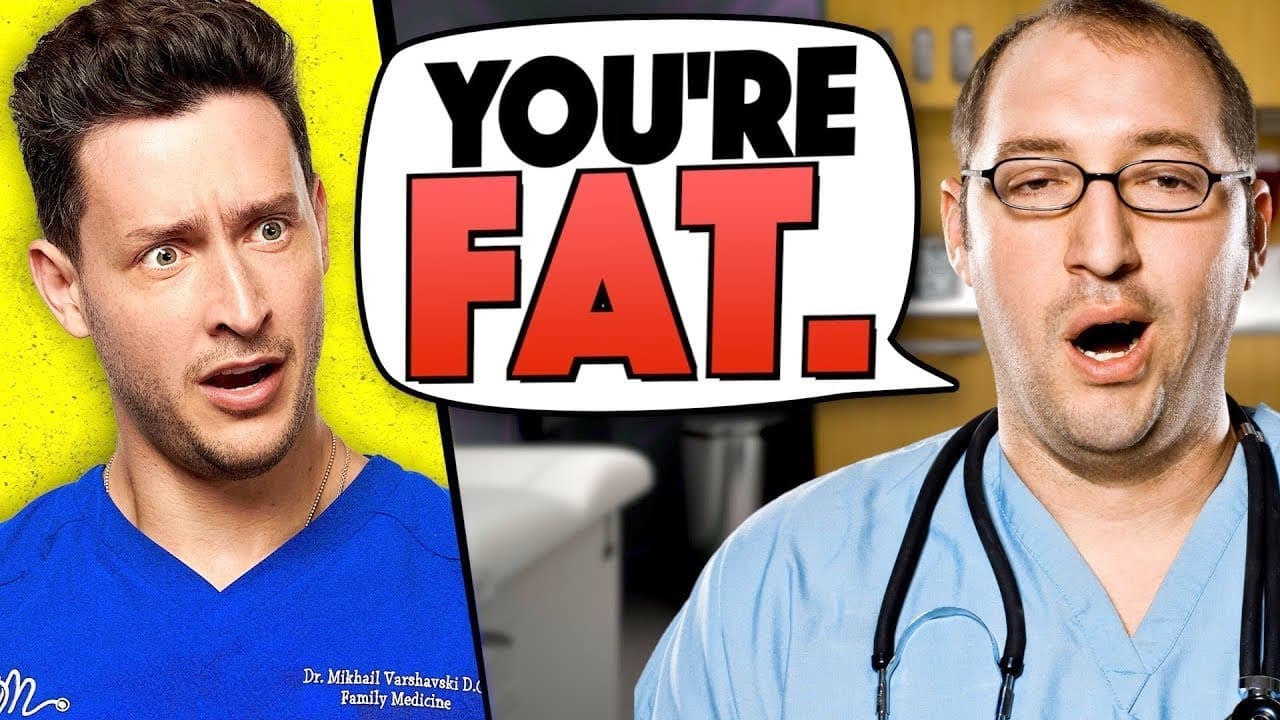
- Shaming is not collaboration: The final bad-doctor scene uses accusations about lying, body size, exercise, drinking, and sexual encounters. The narrator contrasts this confrontational style with teamwork. The central problem is not that behavior is discussed, but that commands and criticism replace an explanation of the recommendations.
- Explanations make instructions meaningful: The teamwork model requires the patient to understand why the doctor gives particular instructions and why the recommendations take their specific form. Simply documenting noncompliance or repeating orders does not create that understanding. The transcript frames explanation as a core part of collaborative care.
Install to Summarize YouTube Videos and Get Transcripts
Explore YouTube Video Summarizer or Get YouTube Transcript Extractor
Questions & Answers
Q: What are things bad doctors say?
Bad doctors in the transcript make alarming diagnoses without adequate investigation, push self-made products, and begin treatment before identifying a cause. They may also claim a chart contains everything needed, ignore requests for an examination, or accuse and shame patients. These statements are warning signs because they replace evidence, observation, or explanation. The better examples use questions, examinations, testing, and shared planning.
Q: Why should a doctor avoid jumping to a rare diagnosis?
The narrator says jumping to the rarest diagnosis can make life difficult for the patient and cause common presenting diagnoses to be missed. In the scene, an immediate smallpox declaration creates panic about quarantine, an outbreak, and people encountered on the train. A better response begins with the common cold or flu as more likely. It still includes testing for other viruses and bacteria so other causes are not ignored.
Q: What is the better response to possible smallpox symptoms?
The better doctor first explains that a common cold or flu is more likely than smallpox. The doctor then proposes testing for other viruses and bacteria to make sure nothing is missed. This response neither dismisses the concern nor treats the rare diagnosis as established. It combines likelihood with verification and avoids the panic caused by an unsupported declaration.
Q: When is a doctor’s product pitch a warning sign?
The narrator advises skepticism when a doctor sells a product the doctor personally created, especially if it contains a proprietary blend. In the scene, the doctor recommends a vitamin juice-style potion immediately after hearing about fatigue. The sales pitch arrives before any explanation of the fatigue’s cause. The warning exists because selling and premature treatment have displaced diagnosis.
Q: Why should fatigue be diagnosed before vitamins are recommended?
The improved consultation says fatigue is not simply a matter of choosing a vitamin. The doctor first needs to determine why the patient is fatigued. Only after reaching the root of the problem should the problem be addressed. This order keeps the proposed treatment connected to the cause instead of using a product as an automatic answer.
Q: Why should doctors look away from the computer and at the patient?
The narrator says doctors who only stare at the computer can miss nonverbal cues. They also fail to form the healthy doctor-patient relationship needed for trust. In the tonsil scene, the chart-focused doctor refuses to look even when the patient directly asks. The better doctor engages the complaint, asks more questions, and performs a physical exam.
Q: What should happen during an evaluation of swollen tonsils?
The better doctor begins by listening to the report of swollen, irritated tonsils. The doctor then says additional questions will be asked and a physical examination performed. A plan of action comes after those steps. This process is better than claiming the chart already provides everything because it combines the history, direct observation, and planning.
Q: What does a teamwork-based doctor-patient approach involve?
A teamwork-based approach replaces the doctor simply barking orders at the patient. The patient should understand why particular instructions are being given. The doctor should also explain why the recommendations take the form they do. That explanation makes the plan collaborative, unlike accusations and shaming about exercise or other behavior.
Summary & Key Takeaways
-
Jumping to rare diagnoses: The first doctor hears fever, back pain, and a possible rash, then immediately declares smallpox and demands a category four quarantine. The narrator says real clinicians cannot jump to the rarest diagnosis because doing so makes life difficult for the patient and risks missing common presenting diagnoses. The better response identifies a common cold or flu as more likely while still testing for other viruses and bacteria to avoid overlooking another cause.
-
Selling a personal product: A fatigued patient is immediately offered the doctor’s self-created vitamin juice-style potion, supposedly able to fix immunity, sleep, and “upsetness.” The doctor evades the patient’s question about FDA approval and turns the encounter into a sales pitch. The narrator identifies two warnings: a doctor selling a self-made product, especially one with a proprietary blend, and a doctor beginning treatment before diagnosing the problem or discovering its root cause.
-
Ignoring the person present: A patient reports swollen and irritated tonsils, but the doctor concentrates on the chart, asks disconnected questions, and refuses the request to look directly at the problem. The narrator explains that good doctors and diagnosticians connect with patients. Staring only at a computer can cause a clinician to miss nonverbal cues, prevent a healthy doctor-patient relationship from forming, and reduce the patient’s trust in the clinician.
-
Examining before planning: The improved tonsil consultation starts with the doctor acknowledging the patient’s concern and proposing a clear process. The doctor will ask additional questions, perform a physical examination, and then develop a plan of action. This contrasts with assuming that the chart contains everything needed. The sequence shows that both conversation and direct examination contribute to understanding the complaint before a response is selected.
-
Replacing orders with teamwork: The final excerpt shows a doctor accusing a patient of lying about exercise, criticizing the patient’s body, and confronting personal behavior without a constructive explanation. The narrator rejects the older model of doctors simply barking orders. Instead, care should use a teamwork-based approach in which the patient understands why instructions are given and why recommendations take their particular form. The excerpt ends while explaining the importance of that shared understanding.
Read in Other Languages (beta)
Share This Summary 📚
Summarize YouTube Videos and Get Video Transcripts with 1-Click
Try YouTube Summary with ChatGPT & Claude or YouTube Transcript Generator
Explore More Summaries from Doctor Mike 📚




Summarize YouTube Videos and Get Video Transcripts with 1-Click
Try YouTube Summary with ChatGPT & Claude or YouTube Transcript Generator