How Much Caffeine Is in Coffee and Its Effects?
TL;DR
A standard cup of coffee contains about 100 milligrams of caffeine, and drinking six cups delivers this amount. Regular consumption can lead to caffeine dependence, as the body begins producing an antidote in anticipation of caffeine intake. Caffeine not only stimulates alertness but also fosters creativity, with many scientists discussing ideas over coffee breaks.
Transcript
[Applause] I used to drink a lot of coffee and my hand shook even more than they do now about 12 years ago maybe more now I went to China for a week and when I left I was really addicted to coffee and when I came back I was found myself addicted to green tea and since then I drank nearly entirely green tea and very rarely do I drink coffee and the ... Read More
Key Insights
- 🍵 Green tea can be a substitute for coffee, causing different effects on the body.
- ❓ Caffeine addiction may result from the body's anticipation of the substance's effects.
- 🍵 Tea and coffee breaks in labs contribute to scientific creativity and idea generation.
- 🫀 Caffeine's molecular structure consists of carbon, nitrogen, oxygen, and hydrogen atoms.
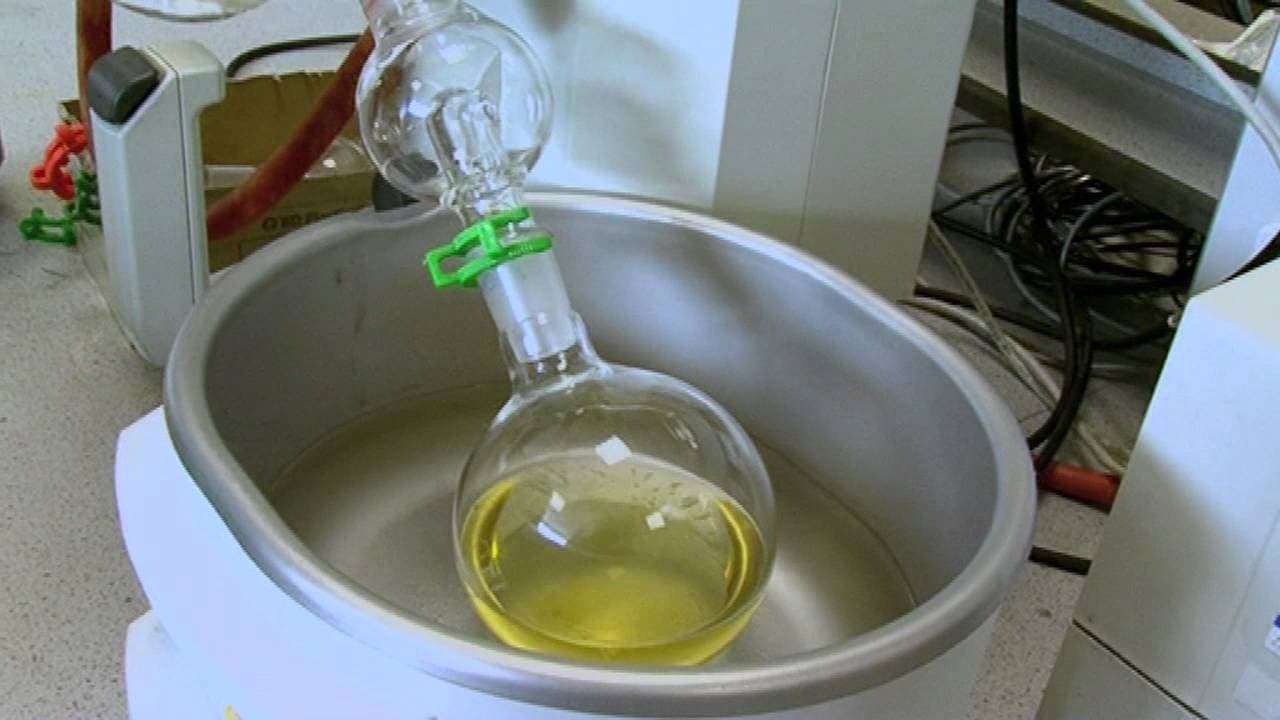
- 😅 Caffeine extraction involves solubilizing it in hot water and purifying it through cooling and drying agents.
- ❎ Caffeine addicts may counteract the negative effects of caffeine rather than being addicted to the substance itself.
- ❓ Caffeine's solubility properties impact its extraction and purification processes.
Install to Summarize YouTube Videos and Get Transcripts
Explore YouTube Video Summarizer or Get YouTube Transcript Extractor
Questions & Answers
Q: How did the speaker transition from being addicted to coffee to predominantly drinking green tea?
The speaker visited China and unintentionally switched from coffee to green tea, resulting in feeling hyper with coffee consumption and sleep disturbances.
Q: What role does caffeine play in the body's adaptation to regular consumption?
Regular caffeine intake prompts the body to develop an antidote, making individuals dependent on caffeine to feel normal once the antidote is produced.
Q: How does caffeine's solubility in water affect its extraction process?
Caffeine is highly soluble in hot water but less so in room temperature water, allowing for its extraction and purification using cooling and drying agents.
Q: What is the significance of caffeine in lab culture and scientific creativity?
Caffeine consumption in labs fosters relaxation and creativity, with many breakthrough ideas originating from casual coffee or tea breaks among scientists.
Summary & Key Takeaways
-
The speaker discusses his transition from a coffee addict to a green tea enthusiast and explores the molecular structure of caffeine.
-
Caffeine addiction is explained, highlighting how the body develops an antidote to caffeine with regular consumption.
-
The role of caffeine in science labs is elaborated, with anecdotes of caffeine-induced creativity leading to breakthrough ideas.
Read in Other Languages (beta)
Share This Summary 📚
Summarize YouTube Videos and Get Video Transcripts with 1-Click
Try YouTube Summary with ChatGPT & Claude or YouTube Transcript Generator
Explore More Summaries from Periodic Videos 📚


Summarize YouTube Videos and Get Video Transcripts with 1-Click
Try YouTube Summary with ChatGPT & Claude or YouTube Transcript Generator