How to Extend Healthspan with Longevity Mindset?
TL;DR
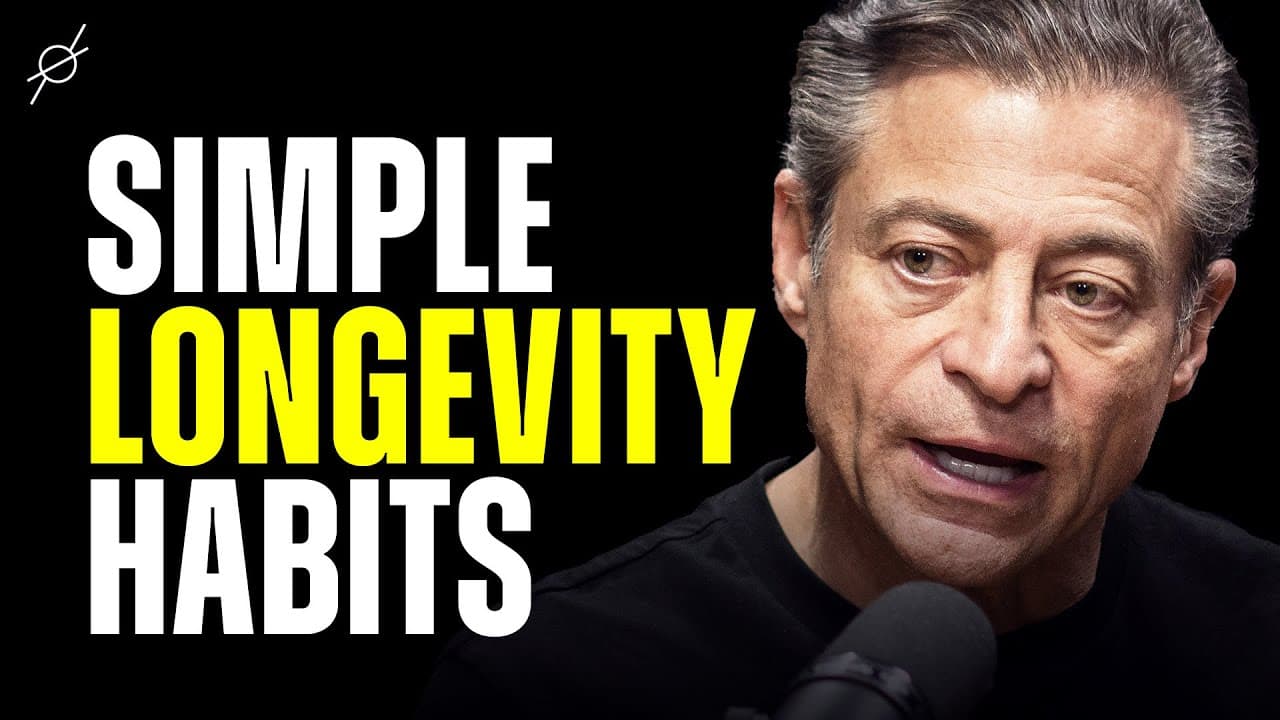
A longevity mindset is the first, essential step. Optimism and agency influence health outcomes, and lifestyle choices combined with advancing tech can extend healthspan. The conversation outlines practical, evidence-based habits and the role of mindset in guiding long-term health trajectories.
Transcript
our ancestors would consider us as Gods there's a lot coming we're beginning to understand fundamentally why do we age what is going on the man or woman who has their health has a thousand dreams and the man or woman who does not has but one Peter diamandis is an antidote to the Doomsday thinking that permeates our culture this is a guy who has dev... Read More
Key Insights
- The longevity mindset is the first step toward extending healthspan and changing one’s approach to aging, with deliberate choices about diet, exercise, sleep and interaction with technology shaping outcomes.
- The healthspan versus lifespan gap is substantial, with healthspan lagging behind lifespan by about 17 years in the United States, underscoring the need for proactive wellness strategies now.
- Genetics contribute a fraction to longevity, while lifestyle and environment drive most of the potential healthspan extension, making personal choices central to long-term vitality.
- Optimism correlates with longer life, with studies suggesting optimistic individuals may live up to about 15 percent longer than pessimists, highlighting the power of mindset in aging trajectories.
- Mindset changes are possible and beneficial because the brain rewires through experiences, media exposure, social interactions, and information intake, enabling healthier habits and reduced disease risk over time.
- A proactive longevity plan includes early detection, personalized diagnostics, and emerging therapies that may slow, halt, or reverse aging processes as technologies evolve.
- Interventions such as exercise, sleep optimization, and diet changes are described as actionable, immediately implementable steps that compound to improve health span, not just lifespan, over decades.
- The conversation frames longevity as a multidisciplinary effort combining lifestyle, mindset, and cutting-edge science to create an adaptive strategy for living well into advanced ages.
- More videos from this channel:
- More from this channel: Rich Roll
Install to Summarize YouTube Videos and Get Transcripts
Explore YouTube Video Summarizer or Get YouTube Transcript Extractor
Questions & Answers
Q: What is the difference between lifespan and healthspan and why does it matter for long-term health?
Lifespan refers to how long a person lives, while healthspan denotes how long a person remains in good health with vitality and ability to enjoy life. The discussion highlights a 17-year gap in the United States, where people live longer yet experience declining health earlier. Understanding this distinction motivates proactive choices such as exercise, sleep, nutrition, and preventive diagnostics to maintain vitality longer and reduce the period of poor health at the end of life.
Q: How can a longevity mindset impact aging and health outcomes?
A longevity mindset emphasizes the belief that aging and health can be influenced by daily choices and advances in technology. It drives individuals to adopt healthier habits, seek early detection, and invest in preventive measures. By believing in agency, people are more likely to engage in consistent exercise, sleep optimization, nutrient-rich diets, and use of emerging diagnostics, which collectively improve healthspan.
Q: What role does optimism play in longevity according to the interview?
Optimism is linked to longer life spans, with data indicating optimistic individuals may live longer than pessimists. The interview notes that a positive outlook influences stress responses, behaviors, and overall health management. Since mindset can be cultivated, adopting optimistic thinking can become a practical tool for improving adherence to healthy routines and pursuing longer, healthier years.
Q: What technologies are mentioned as shaping future longevity outcomes?
The discussion mentions AI, CRISPR, gene therapies, and single-cell sequencing as key technologies accelerating understanding of aging and enabling new interventions. These innovations promise better diagnosis, targeted therapies, and personalized approaches that could slow or reverse aspects of aging, making it possible to intercept disease earlier and extend healthspan while maintaining function.
Q: How should individuals start applying actionable steps for better healthspan today?
Begin with small, repeatable changes such as prioritizing exercise, improving sleep, and refining diet to support vitality. Combine these lifestyle shifts with an informed information diet and a willingness to adopt new diagnostic tools as they become available. The aim is to build a sustainable routine that maintains health and resilience over decades.
Q: What is the relationship between genetics and longevity as discussed?
Genetics account for a limited portion of longevity, with estimates suggesting a high end of around 30 percent and often less, meaning most longevity is influenced by lifestyle and environment. This reinforces the idea that individuals can materially affect their healthspan through choices and behaviors, even if genetics set some baseline risks.
Q: Why is early detection emphasized in longevity strategies?
Early detection allows interventions before diseases advance, improving outcomes and preserving health. Advances in diagnostics enable better risk assessment and personalized prevention, helping people tailor lifestyle and medical strategies to preserve vitality. This proactive approach aligns with the broader theme of intercepting aging processes through science and disciplined health practices.
Q: How can people reconcile hope about future breakthroughs with practical daily actions?
Hope about breakthroughs should complement, not replace, practical daily actions. While AI and biotechnologies offer promising tools, the most reliable gains come from consistent exercise, sleep, nutrition, and stress management today. Combining a proactive routine with openness to new therapies creates a robust plan for extending healthspan while preparing for future innovations.
Summary & Key Takeaways
-
The discussion argues that healthspan can be extended by adopting a longevity mindset and leveraging upcoming breakthroughs in AI, gene therapy, and diagnostics, with practical daily actions emphasized as immediate steps.
-
A key distinction is made between lifespan and healthspan, noting a current US gap of roughly 17 years, where people live longer but not necessarily healthier longer.
-
Optimism and perceived control are presented as mutable factors that correlate with longer health outcomes, supporting the idea that mindset changes can influence aging trajectories.
Read in Other Languages (beta)
Share This Summary 📚
Summarize YouTube Videos and Get Video Transcripts with 1-Click
Try YouTube Summary with ChatGPT & Claude or YouTube Transcript Generator
Explore More Summaries from Rich Roll 📚

Summarize YouTube Videos and Get Video Transcripts with 1-Click
Try YouTube Summary with ChatGPT & Claude or YouTube Transcript Generator