What Causes Major Depression and How to Manage It?
TL;DR
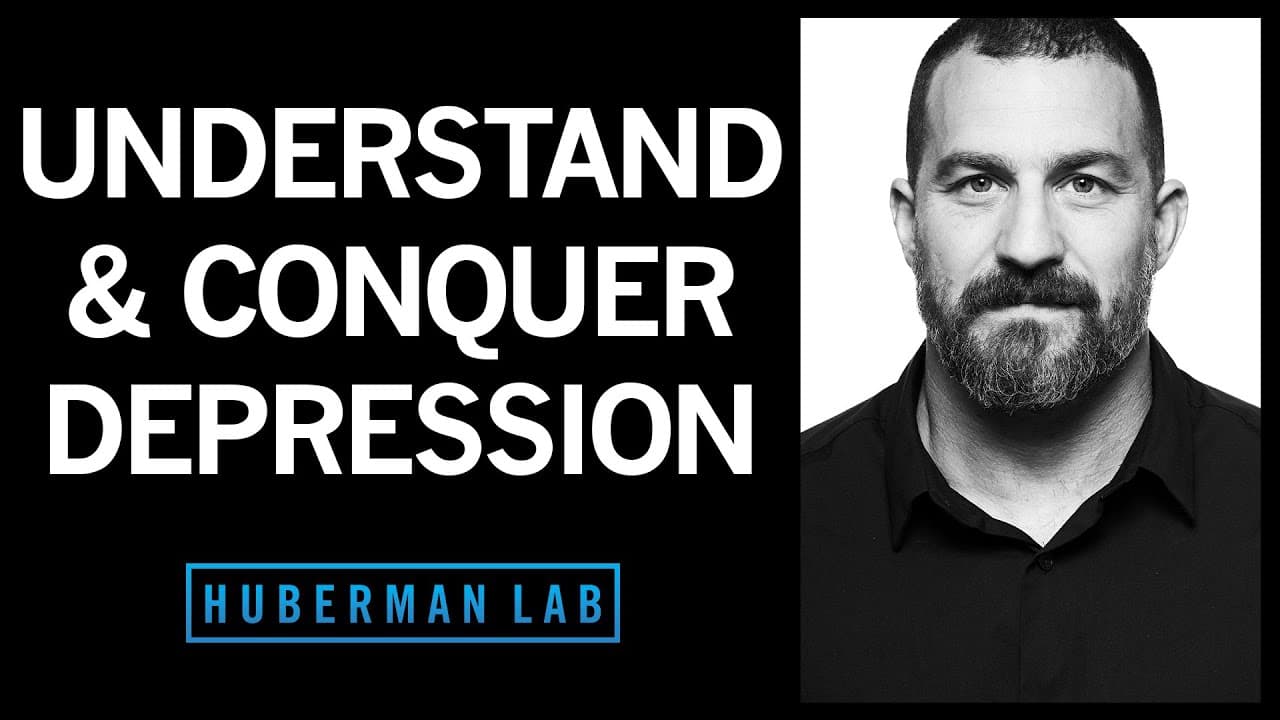
Major depression, affecting about 5% of the population, is characterized by symptoms like grief, anhedonia, and changes in sleep and appetite due to neurotransmitter imbalances, particularly in serotonin, norepinephrine, and dopamine. Effective management can include behavioral tools, exercise, and addressing inflammation, alongside potential pharmacological treatments, though individual responses to medications can vary.
Transcript
- Welcome to the Huberman Lab Podcast, where we discuss science and science-based tools for everyday life. I'm Andrew Huberman, and I'm a Professor of Neurobiology and Ophthalmology at Stanford School of Medicine. This month, we're talking all about disorders of the mind, things like depression, attention deficit disorders, eating disorders, schizo... Read More
Key Insights
- 💱 Depression is a complex condition involving imbalances in neurotransmitters, hormonal changes, stress, genetics, and immune system function.
- ☄️ Medications can alleviate depression symptoms, but they may come with side effects and may not be effective for everyone.
- 😪 Managing stress, improving sleep, engaging in physical activity, and addressing inflammation can be effective tools for alleviating depression.
Install to Summarize YouTube Videos and Get Transcripts
Explore YouTube Video Summarizer or Get YouTube Transcript Extractor
Questions & Answers
Q: How do neurotransmitters like serotonin, norepinephrine, and dopamine contribute to depression?
Serotonin is associated with grief and guilt, low levels of dopamine can lead to anhedonia, and norepinephrine impacts psychomotor defects and energy levels. Imbalances in these neurotransmitters can contribute to depression symptoms.
Q: Can hormonal imbalances affect mood and contribute to depression?
Yes, low thyroid hormone levels can lead to low energy and metabolism, while changes in hormones during pregnancy, menstruation, and menopause can increase susceptibility to depression. Balancing hormones through medication or other approaches may help alleviate symptoms.
Q: How does stress impact depression?
Chronic or intense stress can increase the risk of depression. Stress affects the release of cortisol, which can disrupt neurotransmitter balance and increase susceptibility to depressive episodes. Managing stress through various techniques is important in preventing and managing depression.
Q: Are there genetic factors that contribute to depression?
Yes, certain genes, such as the HTTLPR gene, can increase the susceptibility to depression. However, genetics alone do not determine depression, and environmental factors like stress also play a significant role.
Q: How can behavioral tools, exercise, and other approaches help alleviate depression?
Behavioral tools like cold exposure and exercise can stimulate the release of neurotransmitters like norepinephrine and dopamine, which can improve mood. These approaches may not be accessible or effective for everyone, but they can be part of a comprehensive treatment plan for depression.
Key Insights:
- Depression is a complex condition involving imbalances in neurotransmitters, hormonal changes, stress, genetics, and immune system function.
- Medications can alleviate depression symptoms, but they may come with side effects and may not be effective for everyone.
- Managing stress, improving sleep, engaging in physical activity, and addressing inflammation can be effective tools for alleviating depression.
- Understanding the underlying biology of depression can help individuals and healthcare professionals develop personalized treatment plans.
Summary & Key Takeaways
-
Major depression affects 5% of the population and is characterized by symptoms such as grief, anhedonia (inability to experience pleasure), guilt, and vegetative symptoms like exhaustion and changes in appetite and sleep.
-
The neurochemistry of depression involves imbalances in neurotransmitters like serotonin, norepinephrine, and dopamine. Medications like tricyclic antidepressants and SSRIs can alleviate symptoms, but they come with side effects. Understanding the role of hormones, stress, and genetics can help in managing depression.
-
Thyroid hormone and cortisol levels can impact mood, and hormonal changes during pregnancy, menstruation, and menopause can increase susceptibility to depression. Genetic factors also play a role, with certain genes influencing the risk of depression.
-
Managing stress through behavioral tools, exercise, and cold exposure can help regulate neurotransmitters. Addressing inflammation and immune system function may also be important in treating depression.
Read in Other Languages (beta)
Share This Summary 📚
Summarize YouTube Videos and Get Video Transcripts with 1-Click
Try YouTube Summary with ChatGPT & Claude or YouTube Transcript Generator
Explore More Summaries from Andrew Huberman 📚




Summarize YouTube Videos and Get Video Transcripts with 1-Click
Try YouTube Summary with ChatGPT & Claude or YouTube Transcript Generator