What Was Charles Dickens' Contribution to Medicine?
TL;DR
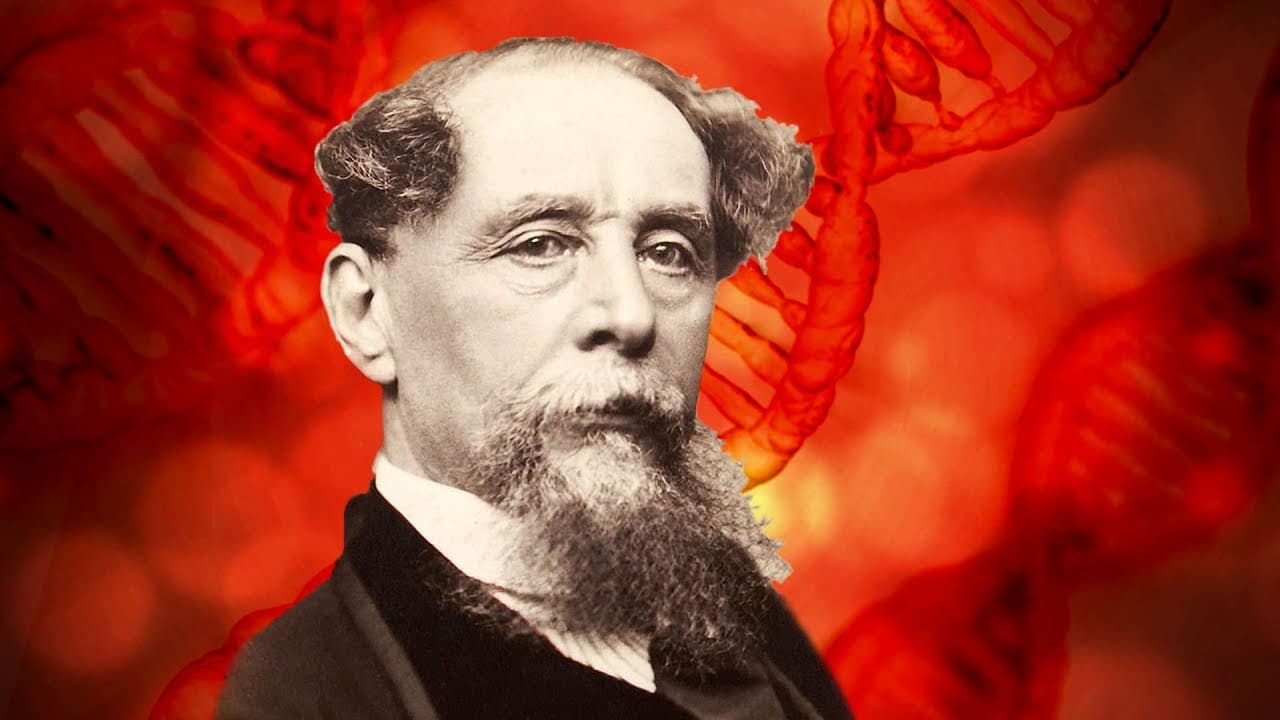
Charles Dickens significantly influenced public health and medicine in the 19th century through his advocacy and novel depictions of medical conditions. He highlighted the importance of public health reforms, anesthesia, and antiseptic practices, while personally experiencing various ailments himself. Dickens's keen observations in his works helped raise awareness about healthcare challenges of his time.
Transcript
Dickens had three professional careers he was a novelist journalist and public reader but tonight I'm going to be talked to talking to you about his interest in medicine many important developments took place in medicine in the 19th century the 1848 Public Health Act was instigated by Edwin Chadwick which provided clean drinking water improved drai... Read More
Key Insights
- 💊 19th-century medicine experienced significant advancements, including public health reforms and the introduction of anesthesia and antiseptic techniques.
- 😷 Dickens's novels provided detailed descriptions of medical conditions, showcasing his keen observation skills and understanding of healthcare.
- 🤨 Dickens advocated for public health reforms and raised awareness about healthcare challenges through his writings.
- 👨⚕️ Florence Nightingale's work during the Crimea War and establishment of the School of Nursing transformed the reputation of nurses.
- 😷 The General Medical Council's founding brought regulation and professionalism to the medical profession.
- 😷 Dickens's personal medical history included episodes of cold, renal colic, rheumatism, gout, headaches, and other ailments.
- ✍️ Dickens's interest in fringe medicine, such as mesmerism and phrenology, influenced his writings and personal life.
- 🎙️ More videos with Charles Dickens:
Install to Summarize YouTube Videos and Get Transcripts
Explore YouTube Video Summarizer or Get YouTube Transcript Extractor
Questions & Answers
Q: How did Charles Dickens contribute to advancements in medicine?
Dickens advocated for public health reforms, such as improved sanitation and access to clean drinking water. His writings also shed light on medical conditions and hospitals, bringing attention to healthcare challenges and inspiring change.
Q: What were some significant medical developments in the 19th century?
In the 19th century, advancements in anesthesia and antiseptic practices revolutionized medicine. Ether and chloroform were used for painless surgeries, while carbolic acid and aseptic techniques were introduced to prevent infections.
Q: How did Florence Nightingale influence the nursing profession?
Florence Nightingale transformed the reputation of nurses as a respectable profession through her dedicated work during the Crimean War. She opened the School of Nursing at St. Thomas's Hospital and raised awareness about the importance of nursing.
Q: How did the General Medical Council impact the medical profession?
The establishment of the General Medical Council in 1858 regulated the medical profession and created a register of qualified practitioners, ensuring standards of practice and professionalism.
Summary & Key Takeaways
-
Charles Dickens had multiple professional careers, including novelist, journalist, and public reader, but his interest in medicine was equally significant.
-
Many important developments in medicine took place in the 19th century, including the Public Health Act of 1848 and advancements in anesthesia and antiseptic practices.
-
Dickens wrote about various medical conditions and hospitals in his novels, shedding light on the healthcare challenges and advancements of the time.
Read in Other Languages (beta)
Share This Summary 📚
Summarize YouTube Videos and Get Video Transcripts with 1-Click
Try YouTube Summary with ChatGPT & Claude or YouTube Transcript Generator
Explore More Summaries from Gresham College 📚

Summarize YouTube Videos and Get Video Transcripts with 1-Click
Try YouTube Summary with ChatGPT & Claude or YouTube Transcript Generator