How Do “Healthy” Foods and Sugar During Pregnancy Affect a Baby’s Health?
TL;DR
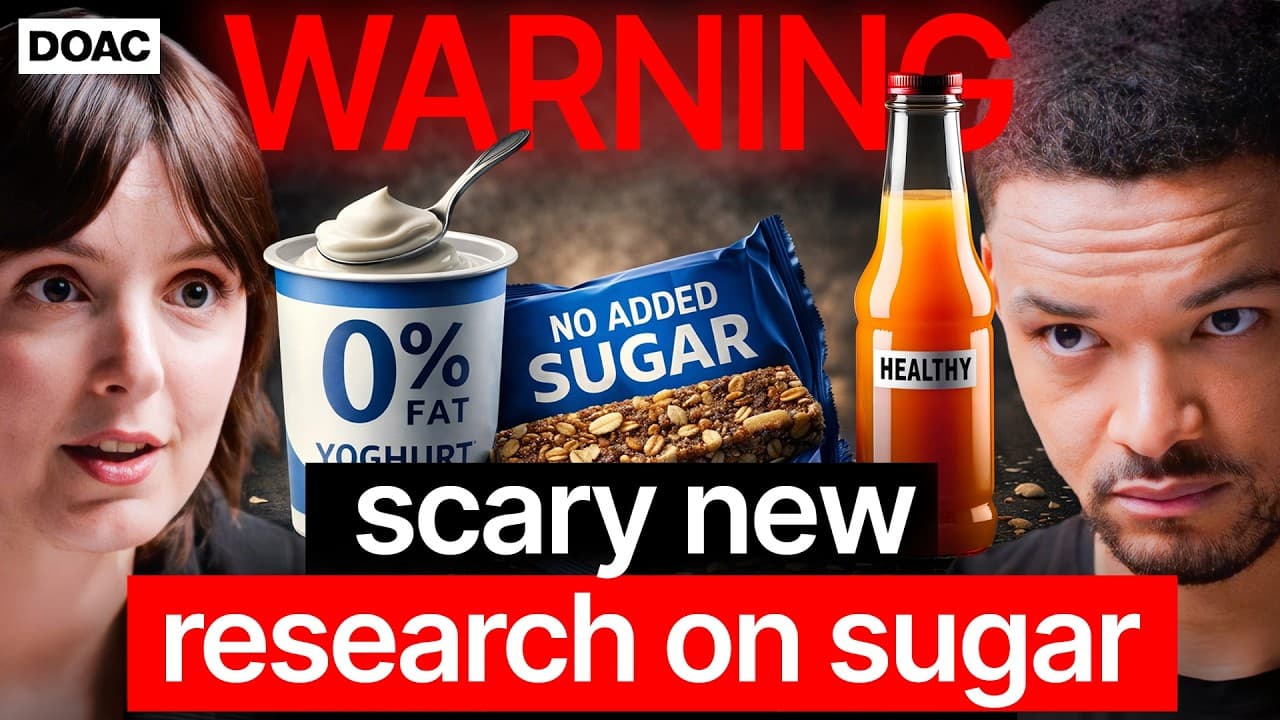
High sugar intake during pregnancy may program a baby’s DNA toward greater vulnerability to diabetes, obesity, and psychiatric disorders. The discussion also highlights that 90% of mothers do not get enough choline, while low-protein diets are associated with smaller babies. It explains how glucose spikes, juice, whole fruit, protein, and eggs differ in their effects, giving parents concrete reasons to read on.
Transcript
With your diet during pregnancy, you're programming your baby's DNA. And this is going to have an impact on your baby's development and on their future risk of disease. And there's a lot of pregnant moms who are eating a diet that's not giving them the nutrients their baby needs. This is not the mom's fault. This is the fault of our food system. Th... Read More
Key Insights
- Pregnancy diet programs a baby's DNA, affecting future disease risk.
- 90% of moms don't get enough choline, crucial for brain development.
- High glucose levels during pregnancy increase diabetes risk in children.
- Glucose levels impact mood and relationships through neurotransmitter changes.
- Modern fruit is engineered to be sweeter, impacting glucose spikes.
- Breast milk is alive with nutrients, unlike formula, affecting DNA programming.
- Exercise during pregnancy boosts baby's brain development and reduces anxiety.
- Fermented foods may benefit baby's gut microbiome development.
Install to Summarize YouTube Videos and Get Transcripts
Explore YouTube Video Summarizer or Get YouTube Transcript Extractor
Questions & Answers
Q: How does sugar intake during pregnancy affect a baby’s health?
Very high glucose levels during pregnancy may trigger epigenetic switches in the baby’s DNA. The transcript says these switches can program a higher vulnerability to diabetes, obesity, and psychiatric disorders.
Q: Why is choline important during pregnancy?
Choline helps form the baby’s brain in the womb. The speaker says 90% of mothers do not get enough choline during pregnancy and describes eggs as the simplest way she used to provide it.
Q: Does a baby need fructose from desserts during pregnancy?
The speaker says a baby needs no fructose from desserts, chocolate, muffins, or cupcakes during pregnancy. She connects avoiding high glucose levels with reducing harmful epigenetic programming risks.
Q: Why is protein important in the third trimester?
The transcript says protein needs are substantial enough that the speaker planned a daily amount during her third trimester. It also says studies associate low-protein diets with smaller babies and possible epigenetic programming toward remaining smaller throughout life.
Q: How do glucose crashes affect mood and cravings?
A glucose crash signals that the body may be out of fuel, putting the brain into an alert state. The transcript says this can cause hunger, irritability, food fixation, and cravings for foods such as bananas, cookies, or chocolate.
Q: Is whole fruit different from fruit juice for blood sugar?
Yes. Whole fruit contains fiber and water, which slow how quickly its sugar reaches the bloodstream, while juice removes the solid fiber and can produce a large glucose spike.
Q: How does modern fruit differ from ancestral fruit?
The transcript describes ancestral bananas as tiny, seed-filled, high in fiber, and not very sweet. Modern bananas are described as higher in sugar, lower in fiber, and easier to eat because humans bred fruit to serve their preferences.
Q: How much sugar does orange juice contain compared with Coca-Cola?
The speaker says a glass of orange juice and a glass of Coca-Cola each contain about 25 grams of sugar. She also says the glucose and fructose molecules are absorbed in the same way, and that one glass reaches the stated daily recommendation of 25 grams or less.
Summary & Key Takeaways
-
Pregnancy diet has a profound impact on a child's lifelong health. Consuming high levels of sugar can predispose a child to diabetes, while adequate intake of nutrients like choline and omega-3s supports brain development. Understanding and managing glucose levels can improve mood and reduce health risks.
-
Modern fruit, engineered for sweetness, contributes to glucose spikes, affecting health. Exercise during pregnancy enhances a baby's brain development, reducing anxiety. Fermented foods may positively influence a baby's gut microbiome, while breastfeeding offers unique benefits over formula.
-
Simple dietary changes, such as reducing sugar and increasing protein, choline, and omega-3 intake, can significantly improve pregnancy outcomes. Understanding the impact of glucose on mood and health can empower mothers to make informed dietary choices for their baby's future.
Read in Other Languages (beta)
Share This Summary 📚
Summarize YouTube Videos and Get Video Transcripts with 1-Click
Try YouTube Summary with ChatGPT & Claude or YouTube Transcript Generator
Explore More Summaries from The Diary Of A CEO 📚






Summarize YouTube Videos and Get Video Transcripts with 1-Click
Try YouTube Summary with ChatGPT & Claude or YouTube Transcript Generator