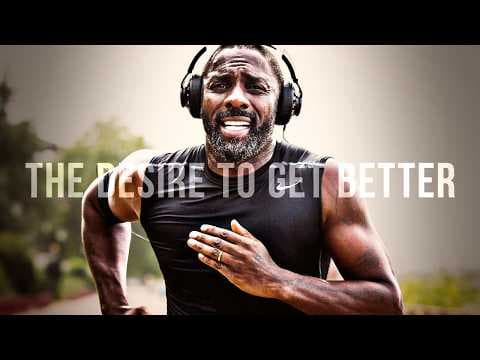
How to Build Discipline and Take Ownership | BE THAT MF Motivational Speech

TL;DR
Build discipline by taking ownership of your time, decisions, and actions instead of waiting for motivation. The speech argues that someone who goes to the gym every single day will beat someone who trains only when they feel like it, and it urges you to move toward hard challenges, raise your standards, and continue after failure. Read on for practical guidance on consistency, courage, responsibility, and setbacks.
Transcript
The person who goes to the gym every single day, regardless of how they feel, will always beat the person who goes to the gym when they feel like going to the gym. It is astounding how many people want to be spectacular in life, but also want to fit in and be normal. You are by definition aiming for average. Normal people get normal results. Weird ... Read More
Key Insights
- Consistency is more dependable than motivation because disciplined people act regardless of how they feel. The transcript illustrates this through daily gym attendance, arguing that someone who trains consistently will outperform someone who exercises only when the desire happens to appear.
- Average behavior produces average results because following the same patterns as everyone else makes exceptional outcomes unlikely. The message encourages accepting the discomfort of appearing unusual, raising personal standards, and choosing demanding actions that distinguish serious commitment from a desire to fit in.
- Ownership is the decision to accept responsibility for your life, time, day, conduct, and future. Instead of blaming parents, teachers, childhood experiences, or unfavorable circumstances, the transcript urges people to examine their choices and identify what they can personally change.
- Courage is demonstrated by following through when resistance and reluctance appear. The repeated instruction to get up, approach the challenge, and attack it frames action as the practical response to fear, hardship, uncertainty, and tasks that initially seem insurmountable.
- Failure is compatible with winning because successful people may fail repeatedly without allowing failure to end their effort. What separates them from spectators and naysayers is continued belief, persistence, and the willingness to stand up again after slipping, losing, or being rejected.
- Emotional pain can be redirected into purposeful action because anger, sadness, and dissatisfaction contain energy that can either help a person or control them. The transcript presents change as more likely when remaining the same becomes more painful than accepting the difficulty of transformation.
- Self-reliance is developed through practical responsibility, including washing clothes, cooking, grocery shopping, pumping gas, and maintaining a car. Teaching these tasks prepares children to function independently rather than leaving them dependent on parents for ordinary needs later in life.
- Shared physical hardship can provide discipline, purpose, connection, and fulfillment. Jiu-jitsu is presented as one option because participants train while tired, struggle together, and finish feeling accomplished, while rock climbing and CrossFit are mentioned as other possible settings for challenging communal activity.
Install to Summarize YouTube Videos and Get Transcripts
Explore YouTube Video Summarizer or Get YouTube Transcript Extractor
Questions & Answers
Q: How can I build discipline when I do not feel motivated?
Follow a consistent standard instead of waiting until you feel motivated. The speech uses daily gym attendance as its example: the person who trains every single day, regardless of feelings, will beat the person who goes only when they feel like it.
Q: What does it mean to take full ownership of your life?
It means accepting responsibility for your time, day, decisions, conduct, and response to hardship. Rather than remaining focused on childhood experiences or an absent parent, examine what you are doing now and decide what you can change.
Q: How should I approach a difficult challenge?
Get up, move toward the challenge, and act despite resistance or reluctance. Whether the goal concerns weight loss, finances, mindset, relationships, or a career, the speech emphasizes courage and follow-through rather than avoidance.
Q: How should I respond after failing?
Stand up and continue pursuing the goal instead of treating failure as the end. The speech says winners may fail a million times, but their belief and persistence keep disbelief from overriding their ability and potential.
Q: Why do normal habits produce average results?
Doing what everyone else does makes it reasonable to expect what everyone else has. The speech argues that spectacular results require a willingness to stop prioritizing fitting in, raise your standards, and consistently do difficult work.
Q: Why should I raise my personal standards?
Higher standards push you to follow through rather than half-complete your commitments. The speaker describes feeling pressure and guilt for being demanding, but insists that other people's reactions should not persuade you to lower the standard.
Q: Can hard challenges help personal growth?
Yes, because attempting something hard can improve you whether you win or lose, succeed or fail. The speech presents crisis, resistance, and difficult experiences as opportunities to draw out protective instincts, learn lessons, and develop courage.
Q: How can I stop avoiding responsibility when life feels painful?
First admit the situation, see it clearly, and decide what you will do about it. The speech warns against responding by moping, drinking, fighting, shutting out the world, or numbing yourself, and instead urges you to take ownership and pursue something difficult.
Summary & Key Takeaways
-
Consistent discipline matters more than temporary motivation. A person who trains every day regardless of feelings will outperform someone who acts only when inspired. Exceptional outcomes require departing from normal patterns, raising personal standards, and repeatedly moving toward difficult tasks instead of settling for the average results produced by average behavior.
-
Personal ownership begins by examining your conduct instead of blaming childhood experiences, absent parents, teachers, circumstances, or other people. The message urges adults to control their time, decisions, habits, and responses. Pain, sadness, anger, failure, and resistance can become fuel for constructive action rather than excuses for avoidance or self-destructive behavior.
-
Hard challenges can provide discipline, purpose, competence, and supportive relationships. Practical responsibilities such as cooking, washing clothes, shopping, maintaining a car, and pumping gas teach self-reliance. Shared physical activities such as jiu-jitsu, rock climbing, and CrossFit can also create struggle, accomplishment, and a sense of brotherhood or community.
Read in Other Languages (beta)
Share This Summary 📚
Summarize YouTube Videos and Get Video Transcripts with 1-Click
Try YouTube Summary with ChatGPT & Claude or YouTube Transcript Generator
Explore More Summaries from Motiversity 📚

Summarize YouTube Videos and Get Video Transcripts with 1-Click
Try YouTube Summary with ChatGPT & Claude or YouTube Transcript Generator