What Is Minimalism in Art and Why Is It Important?
TL;DR
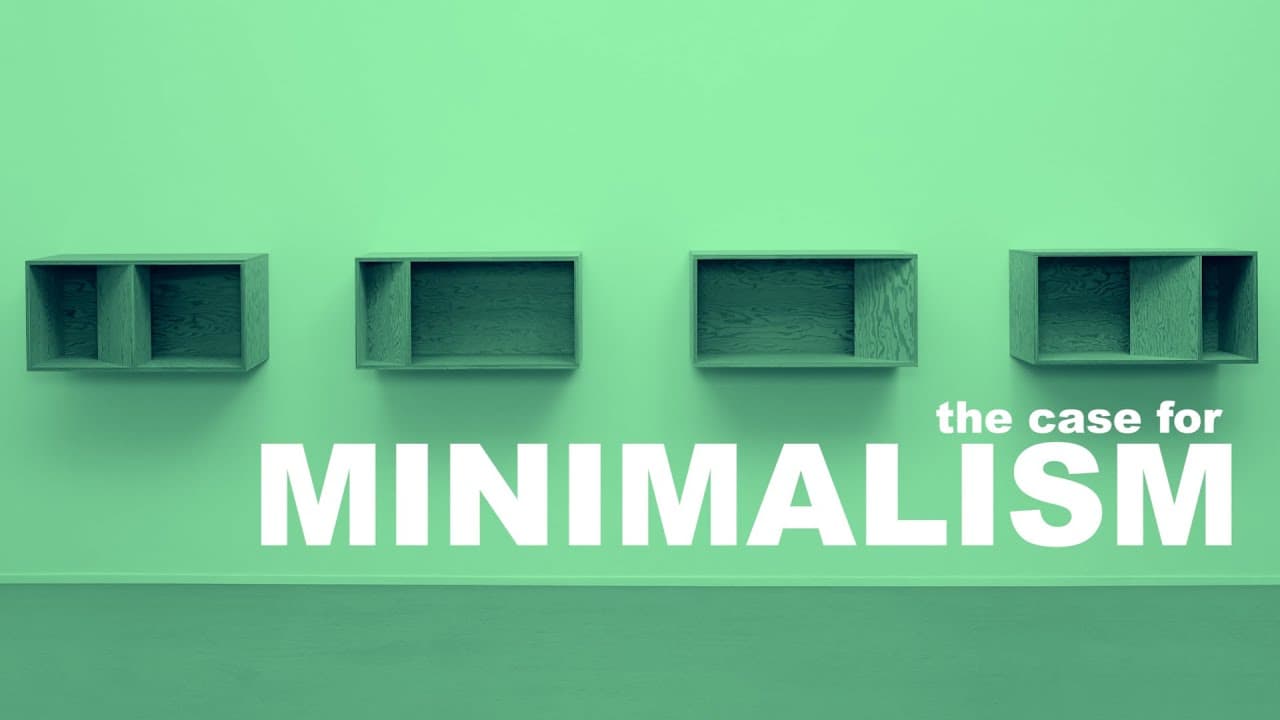
Minimalism in art, which emerged in the 1960s, rejects emotional expression and complex symbolism in favor of basic shapes and industrial materials. It encourages viewers to engage directly with the artwork, emphasizing the realness of space and presence. Despite criticisms, minimalism has significantly influenced various fields and offers a simplified perspective amidst a complex world.
Transcript
So you see a few cubes sitting in an art gallery, and you think to yourself, "This is the greatest hoax that anyone has ever pulled off." You immediately walk away, discouraged by the wide gulf between what you hope for when you walk into a museum and what they've presented to you. How did we get here? How could these cubes that the artist didn't e... Read More
Key Insights
- 🥋 Minimalism emerged in the 1960s as a rejection of abstract expressionism, focusing on basic shapes and forms in art.
- 😑 The minimalist artists aimed to remove expression and emotion from their work, favoring impersonal and industrial materials.
- 🏑 Despite criticism, minimalism became popular, influencing various fields such as fashion and design.
- 🫵 Minimalism creates a simplified and immersive experience for viewers, focusing on the interaction between the artwork and the observer.
- 🥰 The commodification of minimalist art has complicated its original intentions, resulting in the fetishization and pollution of its ideas.
- 🌍 Minimalist art can still evoke strong feelings and offers a respite from the complexity and abundance of the modern world.
- 🥰 Minimalism challenges traditional ideas of art by prioritizing context and viewer interaction over inherent meaning within the artwork.
Install to Summarize YouTube Videos and Get Transcripts
Explore YouTube Video Summarizer or Get YouTube Transcript Extractor
Questions & Answers
Q: What is minimalism in art and when did it emerge?
Minimalism in art emerged in the 1960s as a movement focused on basic shapes and forms, created through sculpture and painting. It aimed to remove expression and emotion from artwork.
Q: How did minimalism reject abstract expressionism?
Minimalist artists rejected abstract expressionism, which dominated the art market in the 1950s. They aimed to remove expression completely, empty the work of idiosyncratic gestures, and make it resistant to biographical reading.
Q: What were the characteristics of minimalism?
Minimalism involved hard-edged, basic shapes and forms, avoiding allusion, metaphor, and overt symbolism. The forms were often repeated in regular, non-hierarchical arrangements. Many works were created using industrial materials and ready-made units.
Q: Why did minimalism become popular?
Minimalism became popular due to its stripped-down and unadorned style. It influenced various fields, including fashion, theater, and design, and was perceived as cool and modern.
Summary & Key Takeaways
-
Minimalism in art emerged in the 1960s as a rejection of abstract expressionism, focusing on geometric, abstract art through sculpture and painting.
-
Minimalist artists such as Donald Judd, Carl Andre, and Dan Flavin aimed to remove expression and emotion from their work, avoiding allusions, metaphors, and symbolism.
-
Minimalism became popular and influenced various fields, including fashion, theater, and design, due to its stripped-down and unadorned style.
Read in Other Languages (beta)
Share This Summary 📚
Summarize YouTube Videos and Get Video Transcripts with 1-Click
Try YouTube Summary with ChatGPT & Claude or YouTube Transcript Generator
Explore More Summaries from The Art Assignment 📚



Summarize YouTube Videos and Get Video Transcripts with 1-Click
Try YouTube Summary with ChatGPT & Claude or YouTube Transcript Generator