How AI Compute and Invest America Could Grow
TL;DR
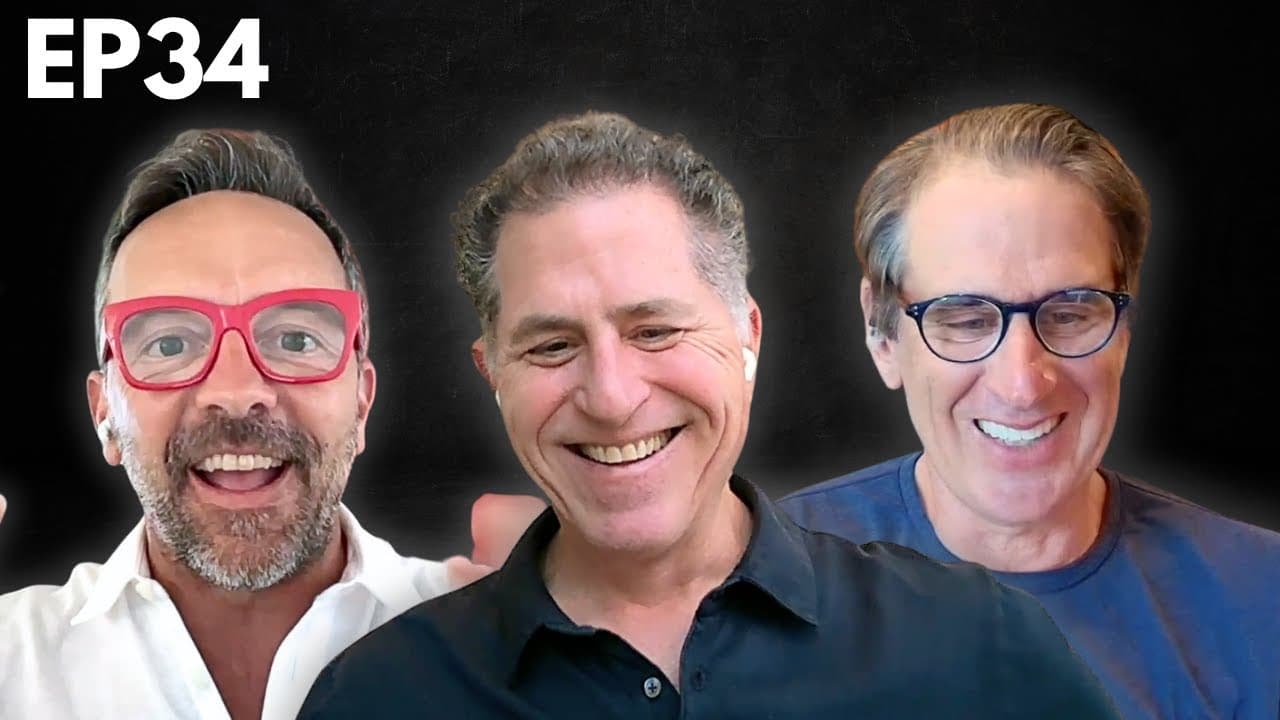
Invest America accounts give eligible children a privately owned investment account that can compound until age 18, with Treasury providing $1,000 for children born after January 1, 2025. Michael Dell also argues that AI productivity gains will exceed those from personal computers and the internet, while rising compute demand makes infrastructure, operational efficiency, and capital discipline central concerns.
Transcript
Is the are the productivity gains from this going to be as big or bigger than what we saw from personal computers and the internet? Oh, it's far bigger. It's far far bigger. Yeah. I I I feel 98% confident. [Applause] Hey guys, great to see you both. Uh, Bill, maybe I don't know, you're up in Tahoe or something and we're thrilled to have one of our ... Read More
Key Insights
- Invest America accounts are privately owned investment savings accounts created for children and designed to compound in the S&P 500 until age 18. Parents, companies, philanthropists, and other contributors can add money, but funds cannot be withdrawn during childhood.
- Treasury funding is limited to children born after January 1, 2025. These children receive a $1,000 initial contribution, while other children under age 18 can open eligible accounts that must be funded by parents, companies, philanthropists, or other contributors.
- Program eligibility covers approximately 65 million children under age 18. The organizers’ stated performance goal is to enroll 50 million to 60 million children during the implementation campaign, creating broad participation before automatic account creation begins for later births.
- The Invest America program must launch by July 4th, 2026, the 250th birthday of America. Children born after that launch date are expected to receive an account automatically when they obtain a Social Security number, along with the Treasury contribution when eligible.
- Dell’s direct-to-customer model created a structural cost advantage by building computers to individual orders instead of maintaining large inventories. With roughly six days of inventory, Dell held fresher components and costs than competitors carrying about 90 days across distributors and dealers.
- A negative cash conversion cycle improves capital efficiency because customers pay before the company must pay suppliers. Michael Dell says Dell typically operates near a negative 50-day cash conversion cycle, reducing the amount of company capital tied up in operations.
- Return on invested capital revealed the strength of Dell’s original business model. Bill Gurley recalls that Dell’s balance-sheet turnover, cash flow relative to earnings, and return on invested capital substantially exceeded competitors, complementing the company’s unusually rapid inventory turnover.
- AI productivity gains are expected by Michael Dell to be far larger than those produced by personal computers and the internet. He expresses 98 percent confidence in that conclusion, framing expanding AI compute demand as part of a broader transformation in economic growth and productivity.
Install to Summarize YouTube Videos and Get Transcripts
Explore YouTube Video Summarizer or Get YouTube Transcript Extractor
Questions & Answers
Q: How do Invest America accounts work for children?
Invest America accounts are privately owned investment savings accounts established for children. Money in each account is invested in the S&P 500 and cannot be withdrawn until the child reaches age 18, allowing it to compound throughout childhood. Parents, companies, philanthropists, and other parties can contribute. The program is presented as a way to expand participation in investment ownership and address the wealth gap through long-term saving.
Q: Which children receive the $1,000 Treasury contribution?
The $1,000 Treasury contribution applies only to children born after January 1, 2025. Other children under age 18 can still become eligible for an Invest America account, but their accounts must receive money from parents, employers, philanthropists, or other contributors rather than the initial Treasury funding. This distinction separates broad account eligibility from eligibility for the government-provided starting contribution.
Q: When will Invest America accounts become available?
The program must be implemented and launched by July 4th, 2026, which the discussion identifies as America’s 250th birthday. During the preceding year, supporters plan a campaign to enroll the existing population of eligible children. Children born after the launch are expected to have accounts created automatically when they receive a Social Security number, with eligible newborns also receiving the $1,000 Treasury contribution.
Q: How many children are eligible for Invest America accounts?
All children under age 18 are described as eligible, representing approximately 65 million children. Supporters want 50 million to 60 million children enrolled during the first major implementation campaign. The broad eligibility pool includes children who do not qualify for the Treasury’s $1,000 contribution, since parents, companies, philanthropists, and others may place money into accounts opened on their behalf.
Q: Why was Dell’s low inventory level a competitive advantage?
Dell built computers to individual customer orders rather than producing large quantities for inventory. Michael Dell says the company maintained about six days of inventory for roughly seven consecutive years, while a competitor might carry about 90 days through distributors and dealers. Because component prices continually declined, Dell obtained fresher parts at fresher costs, avoided tying up capital, and gained an estimated 200-basis-point gross-margin advantage.
Q: What is the benefit of Dell’s negative cash conversion cycle?
A negative cash conversion cycle means customers pay the company before the company must pay its suppliers. Michael Dell says Dell typically operates with a cash conversion cycle near negative 50 days. This arrangement limits the company’s need to finance working capital, supports exceptionally high capital efficiency, and complements the direct-order model by keeping inventory low and cash available rather than locked inside operations.
Q: What financial measure helped reveal Dell’s early strength?
Return on invested capital helped Bill Gurley recognize the strength of Dell’s business model after he left the personal computer industry and examined the company externally. He found that Dell’s balance-sheet turnover was unusually high, cash flow was strong relative to earnings, and return on invested capital was about ten times that of other businesses in the industry. Those measures highlighted advantages that conventional competitive assumptions had missed.
Q: Will AI productivity gains exceed those from personal computers and the internet?
Michael Dell believes AI productivity gains will be far larger than those created by personal computers and the internet, and he states that he is 98 percent confident in that assessment. The episode connects that expectation with expanding AI compute demand, competition for AI talent, and AI’s potential role in economic growth. His conclusion is presented as a judgment about the scale of the emerging technology shift.
Summary & Key Takeaways
-
Invest America became law after four years of advocacy and inclusion in a broader reconciliation bill signed on July 4th. The program creates privately owned investment accounts for children, invests the funds in the S&P 500, and prevents withdrawals until age 18, allowing contributions to compound throughout childhood.
-
All children under age 18, approximately 65 million children according to the discussion, can become eligible for accounts. Treasury provides the initial $1,000 only for children born after January 1, 2025. Parents, employers, philanthropists, and other contributors can add funds, while implementation must occur by July 4th, 2026.
-
Michael Dell connects current AI opportunities with lessons from Dell’s history. Building directly to customer demand, maintaining roughly six days of inventory, benefiting from falling component costs, and operating with a negative cash conversion cycle created structural advantages. He expects AI productivity gains to surpass those delivered by personal computers and the internet.
Read in Other Languages (beta)
Share This Summary 📚
Summarize YouTube Videos and Get Video Transcripts with 1-Click
Try YouTube Summary with ChatGPT & Claude or YouTube Transcript Generator
Explore More Summaries from Bg2 Pod 📚




Summarize YouTube Videos and Get Video Transcripts with 1-Click
Try YouTube Summary with ChatGPT & Claude or YouTube Transcript Generator