How Should Christians Respond to Political Violence?
TL;DR
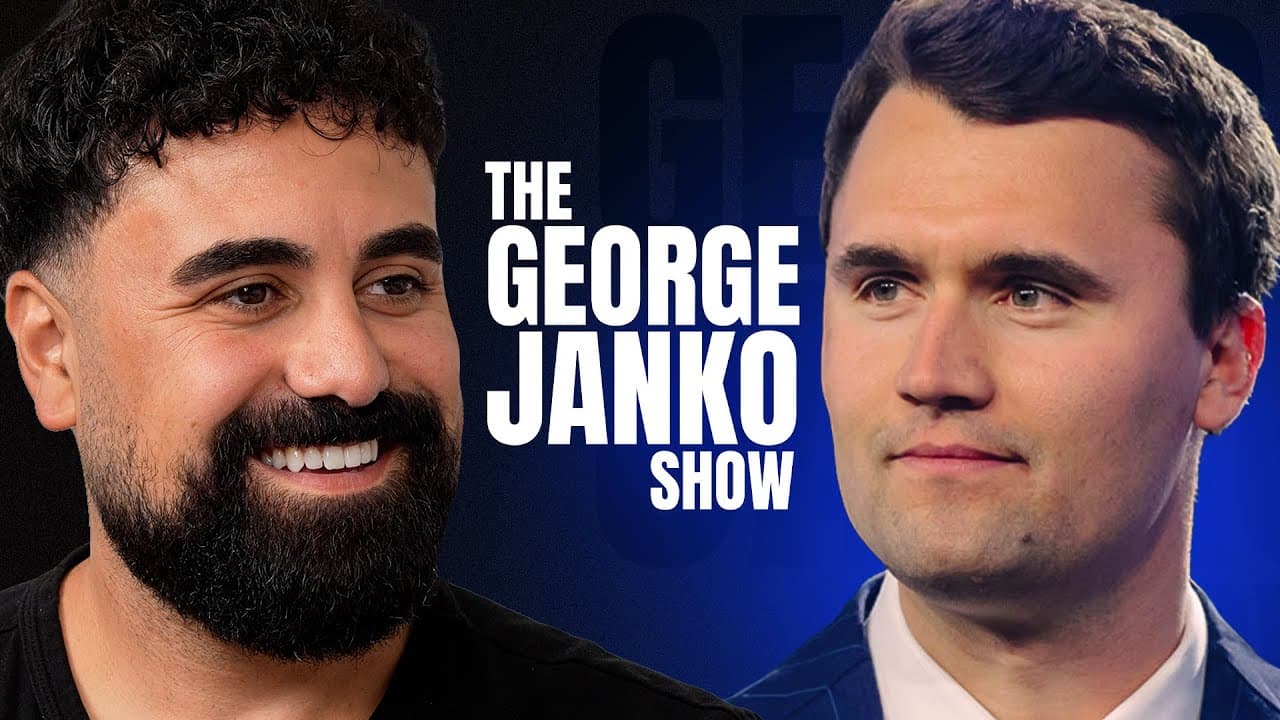
Christians should respond to political violence with prayer, forgiveness, empathy, patient speech, and continued dialogue rather than vengeance or celebration of another person’s suffering. The speaker argues that honoring Charlie Kirk means preserving his commitment to conversation, loving one’s neighbor, turning the other cheek, and refusing actions that deepen national division or silence opposing voices.
Transcript
Hey guys, welcome back to the show. Uh, you know, we have a lot of amazing things we want to catch you guys up on. We have some great guests that we already shot because we're on tour. We kind of like loaded up on that. And, uh, there's so so many beautiful things I want to share with you guys about the tour. Uh, but I wanted to take a pause on all... Read More
Key Insights
- The speaker’s central conclusion is that grief should be processed through prayer and reflection before public statements are made. He believes speaking too quickly can produce careless language, intensify conflict, and disregard the suffering of Charlie Kirk’s wife and children.
- Charlie Kirk’s stated legacy is presented as a commitment to talking with people so disagreement would not become violence. The speaker argues that preserving this approach requires continued communication across divisions instead of allowing anger to justify retaliation, separation, or attempts to silence opponents.
- Christian conduct is described as loving God, loving one’s neighbor, forgiving others, turning the other cheek, and accepting longsuffering. The speaker says these principles become especially important when believers are angry, grieving, or confronted by people who celebrate a painful death.
- Vengeance is portrayed as a rejection of Charlie Kirk’s purpose and the gospel values the speaker associates with his life. The speaker believes retaliatory behavior would deepen national division, discard what Kirk built, and allow grief-driven emotions to override the principles Christians are supposed to represent.
- Charlie Kirk’s wife is presented as the strongest example of a faithful response because she forgave the man responsible despite visible pain. The speaker treats her forgiveness as both difficult and holy, arguing that others should follow her example rather than use the tragedy to divide people.
- The tragedy is described as producing unexpected spiritual reflection among people who previously disagreed with or disliked Charlie Kirk. According to the speaker, some people began attending church, opening the Bible, worshiping together, reconsidering Kirk’s words, and examining their own hearts after observing reactions to his death.
- Celebrating Jimmy Kimmel losing his show is characterized as inconsistent with Christian love, even though the speaker disagrees with what Kimmel did. He distinguishes a company’s business decision from public celebration and argues that Charlie Kirk would have favored giving an opponent a microphone.
- Efforts to silence disliked speech are presented as a slippery and dangerous practice because the same approach could eventually restrict Christian worship or discussion on platforms such as podcasts and YouTube. The speaker therefore supports open expression and conversation even when he believes another person’s statements are wrong.
Install to Summarize YouTube Videos and Get Transcripts
Explore YouTube Video Summarizer or Get YouTube Transcript Extractor
Questions & Answers
Q: How should Christians respond to political violence?
Christians should respond with prayer, patience, forgiveness, empathy, and a renewed commitment to dialogue, according to the speaker. He rejects vengeance, emotional retaliation, and attempts to divide people into hostile camps. He argues that believers should love God, love their neighbors, turn the other cheek, and demonstrate their convictions through character, especially when grief and anger make those practices difficult.
Q: Why did the speaker wait before discussing Charlie Kirk’s death?
The speaker waited because he was praying, meditating, and asking God how to handle his feelings and information about the assassination. He remembered his mother teaching that how something is said matters as much as what is said. He also believed quick public reactions could inflame conflict and overlook the pain experienced by Kirk’s wife and children.
Q: How does the speaker believe Charlie Kirk would want people to behave?
The speaker believes Charlie Kirk would want people to reject division, forgive the person responsible, and continue speaking with those who disagree. He bases this view on Kirk’s dedication to visiting places and talking with people so conflict would not become violence. He says Kirk would be disappointed if supporters used his death to justify vengeance, separation, or silencing others.
Q: Why does the speaker emphasize forgiveness after Charlie Kirk’s assassination?
The speaker emphasizes forgiveness because he considers it central to Christian teaching and consistent with Charlie Kirk’s approach to disagreement. He points to Kirk’s wife forgiving the man responsible despite her visible pain. In his view, forgiveness does not erase grief, but it prevents anger from destroying Kirk’s work, deepening division, and replacing Christian principles with personal vengeance.
Q: What positive changes does the speaker associate with Charlie Kirk’s death?
The speaker says the reactions to Charlie Kirk’s death caused some former critics to revisit Kirk’s words and reconsider their own attitudes. He also describes people attending church, opening the Bible, improving the direction of their lives, worshiping together, and gathering in their communities. He interprets these developments as God using an evil event to produce spiritual good.
Q: Why does the speaker oppose celebrating Jimmy Kimmel losing his show?
The speaker opposes the celebration because he considers delight in someone losing a job tacky, irresponsible, and inconsistent with loving Christian behavior. Although he says Kimmel’s conduct angered him and that he disagrees with it, he believes Charlie Kirk would have offered an opponent a microphone. He leaves programming decisions to the businesses providing the show but rejects public celebration of punishment.
Q: What danger does the speaker see in silencing opposing voices?
The speaker warns that finding tactical methods or loopholes to silence an unpopular person can create a broader pattern of censorship. A campaign may begin with Jimmy Kimmel’s show, but he fears the same logic could eventually restrict Christian worship or discussion on podcasts and YouTube. He therefore treats free conversation as protection for both political opponents and religious expression.
Q: How can supporters honor Charlie Kirk according to the speaker?
Supporters can honor Charlie Kirk by protecting the purpose the speaker associates with his life: bringing people together, speaking across disagreements, and directing people toward Christ. He recommends responding through character, forgiveness, prayer, patience, and turning the other cheek. Using Kirk’s death to satisfy anger, seek vengeance, celebrate suffering, or silence opponents would instead discard what Kirk built.
Summary & Key Takeaways
-
The speaker pauses his regular programming to process Charlie Kirk’s assassination, explaining that grief, prayer, and reflection made him reluctant to speak quickly. He emphasizes that public words carry serious weight, particularly while Kirk’s wife is grieving as a widow and his children are living without their father.
-
He argues that Charlie Kirk’s commitment to conversation should guide the response to his death. Rather than seeking vengeance, dividing people, or silencing opponents, Christians should practice forgiveness, love their neighbors, turn the other cheek, and let their character demonstrate the values they claim to follow during painful circumstances.
-
The speaker condemns celebrations of both Kirk’s death and Jimmy Kimmel losing his show. Although he disagrees with Kimmel’s actions, he warns that celebrating lost platforms creates a dangerous path toward broader censorship. He sees renewed church attendance, Bible reading, worship, and personal reflection as constructive responses to tragedy.
Read in Other Languages (beta)
Share This Summary 📚
Summarize YouTube Videos and Get Video Transcripts with 1-Click
Try YouTube Summary with ChatGPT & Claude or YouTube Transcript Generator
Explore More Summaries from George Janko 📚

Summarize YouTube Videos and Get Video Transcripts with 1-Click
Try YouTube Summary with ChatGPT & Claude or YouTube Transcript Generator