Can Trump and Zelenskyy End the Ukraine-Russia War?
TL;DR
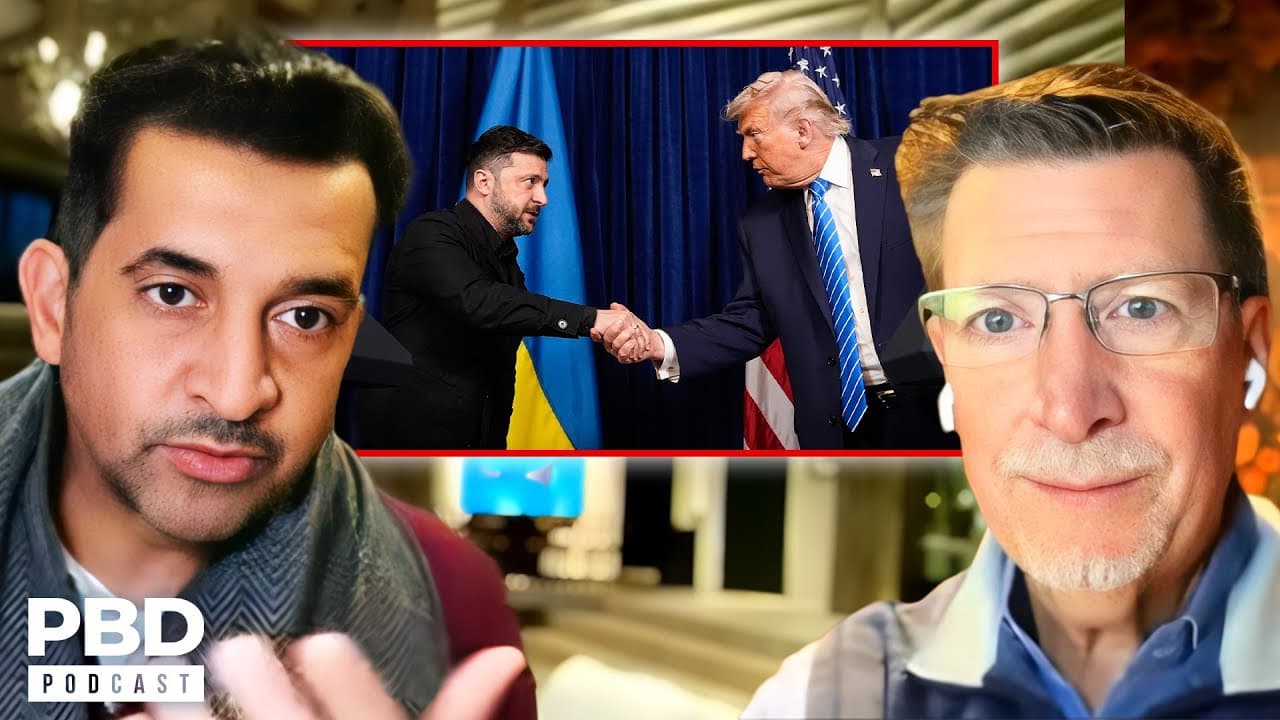
Trump and Zelenskyy appear closer to a Ukraine peace framework, but the meeting did not resolve the territorial dispute with Russia. Zelenskyy said the 20-point plan was 90% agreed, US-Ukraine security guarantees and the military dimension were 100% agreed, and a prosperity plan was being finalized. Russia had shown no sign of yielding on territorial demands, so read on for the remaining obstacles and the speakers’ reasons for skepticism.
Transcript
Let me get to this this story here. It's a lot of stuff. Yesterday, there was a big uh um press conference with the president and Zalinski. Rob, I'm sure you have a couple clips uh there yourself. Let me read a couple of this and we'll go with some of them. So, Trump and Zalinsky say they're nearly in agreement on Ukraine peace deal. They are near ... Read More
Key Insights
- Trump and Zelenskyy have nearly agreed on a 20-point peace plan for Ukraine.
- Security guarantees for Ukraine are a central focus of the discussions.
- Russia has not shown willingness to compromise on territorial demands.
- Ukraine seeks NATO-like protection from the US against Russian aggression.
- The US defense industry benefits significantly from the conflict through arms sales.
- Skepticism exists about Zelenskyy's motives and Ukraine's commitment to peace.
- Geopolitical conflicts often involve complex, long-standing grievances.
- The US faces challenges in balancing foreign policy and domestic priorities.
Install to Summarize YouTube Videos and Get Transcripts
Explore YouTube Video Summarizer or Get YouTube Transcript Extractor
Questions & Answers
Q: Can Trump and Zelenskyy end the Ukraine-Russia war?
The meeting showed progress toward a framework, but it did not establish that the war would end. Zelenskyy said the 20-point peace plan was 90% agreed, while territorial issues remained a “very tough question” and Moscow had shown no sign of changing its demands.
Q: What progress did Trump and Zelenskyy report after their meeting?
Zelenskyy said the 20-point peace plan was 90% agreed and the US-Ukraine security guarantees were 100% agreed. He also said US-Europe-Ukraine security guarantees were almost agreed, the military dimension was 100% agreed, and the prosperity plan was being finalized.
Q: What is included in the proposed 20-point Ukraine peace plan?
The transcript identifies security guarantees, a military dimension, a prosperity plan, territorial questions, and the sequencing of future actions as elements under discussion. It does not provide all 20 points or their complete terms.
Q: Why are security guarantees central to the peace framework?
Zelenskyy called security guarantees a key milestone for achieving lasting peace. The discussion described Ukraine as seeking US-backed protection if Russia attacks again, resembling the protections associated with NATO membership.
Q: Why might Russia oppose security guarantees for Ukraine?
One speaker argued that US-backed guarantees could make Ukraine function almost like a NATO-protected country. According to the discussion, Ukraine’s pursuit of NATO membership or similar protection was already one of Russia’s objections.
Q: What territorial issues remain unresolved in the negotiations?
Trump and Zelenskyy characterized territorial matters, including Donbas, as very difficult. The discussion said Russia wanted Donbas and Crimea, while Moscow had shown no sign of yielding on its territorial demands.
Q: What is the prosperity plan, and who would pay for it?
Zelenskyy said the prosperity plan was being finalized, but the transcript does not explain its terms or funding. One speaker specifically questioned who would pay for it and connected that concern to the possibility of further aid worth billions of dollars.
Q: Why did the speakers remain skeptical despite the reported progress?
One speaker said he would not trust Zelenskyy’s motives until the agreement was fully completed, although he trusted Trump’s team to pressure him toward a deal. The speakers also pointed to unresolved Russian territorial demands, uncertainty about funding, and a Russian attack on Kyiv shortly before the meeting.
Summary & Key Takeaways
-
Trump and Zelenskyy are reportedly close to finalizing a 20-point peace plan to address the Ukraine-Russia conflict. The plan emphasizes security guarantees for Ukraine, akin to NATO protections, which Russia opposes. Despite progress, Russia's territorial demands remain a significant obstacle to peace.
-
The US defense industry has profited from the conflict, as much of the financial aid to Ukraine is spent on American arms. Skepticism persists regarding the motives of Zelenskyy and Ukraine's commitment to reaching a genuine peace agreement.
-
Geopolitical conflicts are complex, with deeply rooted grievances that are difficult to resolve. The US faces the challenge of maintaining its role in global affairs while addressing domestic issues, such as veteran care and economic concerns.
Read in Other Languages (beta)
Share This Summary 📚
Summarize YouTube Videos and Get Video Transcripts with 1-Click
Try YouTube Summary with ChatGPT & Claude or YouTube Transcript Generator
Explore More Summaries from Valuetainment 📚

Summarize YouTube Videos and Get Video Transcripts with 1-Click
Try YouTube Summary with ChatGPT & Claude or YouTube Transcript Generator