What Is the Concept of a Global Monetary Reset?
TL;DR
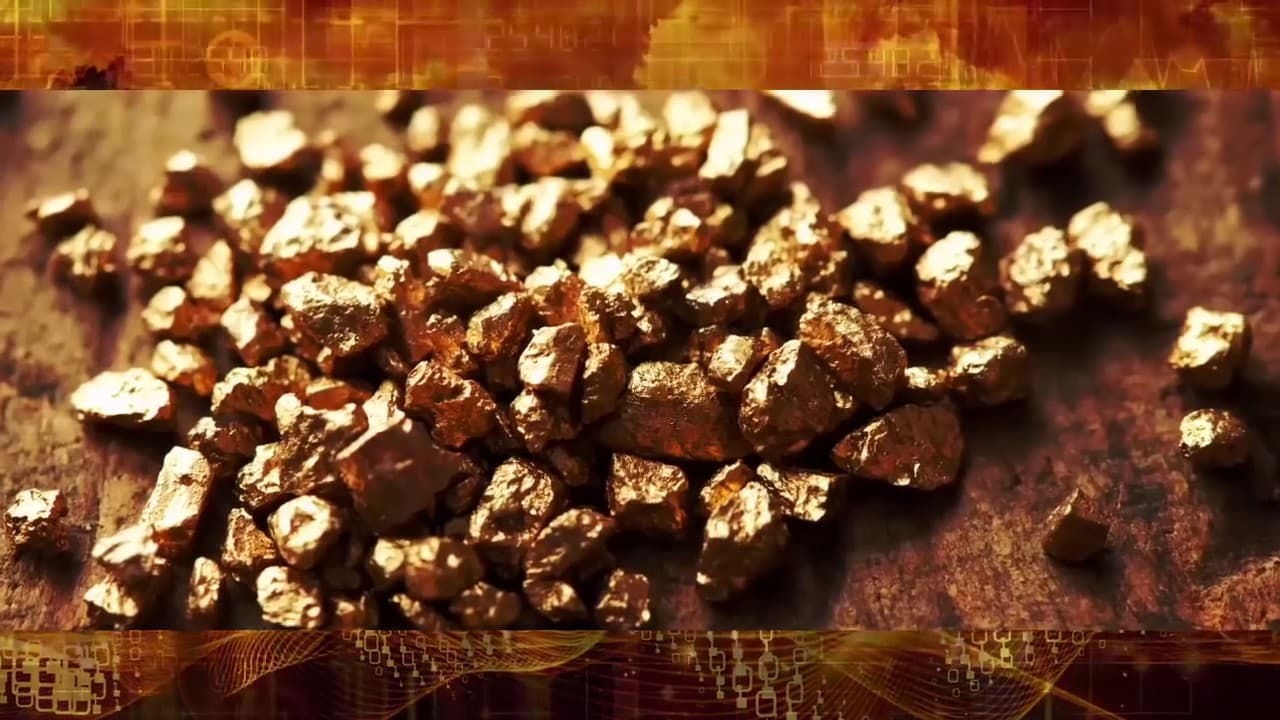
A global monetary reset refers to an overhaul of the current international financial system, similar to historical events like Bretton Woods. Willem Middelkoop argues that mounting global debt and strategic moves by China, including gold accumulation and the integration of the Renminbi into the SDR, could lead to the largest reset in history, potentially involving a revaluation of gold.
Transcript
okay I'm here with will middle coupe founder of the commodities discovery fund and the author of the book the big reset which you very kindly sent me a copy of a couple years ago and and I want to talk to you about the big reset today because I know you're about to publish an update with I think you told me 30,000 extra words yeah a family of pages... Read More
Key Insights
- Willem Middelkoop discusses the concept of a 'big reset' in the global monetary system, drawing parallels with past events like Bretton Woods in 1944.
- The idea of a monetary reset is often dismissed as extreme, but Middelkoop argues that historical precedents exist for such changes.
- He highlights the mounting global debt as a key factor that could lead to a significant monetary reset, potentially the largest ever seen.
- China's strategic moves in the financial system, including the accumulation of gold and the inclusion of the Renminbi in the SDR, are seen as steps towards a new monetary order.
- Middelkoop suggests that gold could be reintroduced into the monetary system, potentially as part of the SDR, despite resistance from the US and IMF.
- The potential revaluation of gold could solve many financial issues but also create new challenges, such as inflationary pressures.
- The discussion touches on the geopolitical dynamics between the US, China, and Russia, with China preferring cooperation over confrontation.
- Middelkoop emphasizes the long-term strategic thinking of China, aiming for significant influence by 2050, contrasting with the short-term focus of Western democracies.
Install to Summarize YouTube Videos and Get Transcripts
Explore YouTube Video Summarizer or Get YouTube Transcript Extractor
Questions & Answers
Q: What is the 'big reset' that Willem Middelkoop discusses?
The 'big reset' refers to a significant transformation in the global monetary system, similar to past events like Bretton Woods in 1944. Middelkoop suggests that the current system, dominated by the US dollar, is unsustainable due to mounting global debt, and a reset is necessary to establish a more stable and equitable financial order.
Q: Why does Middelkoop believe a monetary reset is needed?
Middelkoop argues that the current global monetary system is unsustainable due to the sheer volume of debt accumulated worldwide. He believes that a reset is necessary to address these imbalances and to establish a more stable financial order. This reset could involve significant changes, such as the reintroduction of gold into the monetary system.
Q: How is China positioning itself in the potential monetary reset?
China is strategically positioning itself by accumulating large reserves of gold and pushing for the inclusion of the Renminbi in the IMF's Special Drawing Rights (SDR). These moves are seen as steps towards gaining greater influence in a new global monetary system, potentially challenging the dominance of the US dollar.
Q: What role could gold play in the new monetary system?
Gold could be reintroduced as an anchor in the new monetary system, potentially as part of the SDR. Middelkoop suggests that revaluing gold could solve many financial issues, such as stabilizing central bank balance sheets, but it could also create new challenges, such as inflationary pressures.
Q: What are the geopolitical implications of a monetary reset?
A monetary reset could shift the balance of power between major global economies, particularly the US, China, and Russia. China is seen as favoring cooperation over confrontation, while Russia's actions suggest a readiness for more direct challenges. The reset could redefine global economic alliances and power structures.
Q: How does Middelkoop view the long-term strategic thinking of China?
Middelkoop highlights China's long-term strategic planning, aiming for significant influence by 2050, the centenary of the Chinese Revolution. This contrasts with the short-term focus of Western democracies, which often prioritize immediate political gains over long-term strategic goals.
Q: What challenges could arise from revaluing gold?
Revaluing gold could create inflationary pressures, as it would increase the value of gold reserves held by central banks, potentially leading to a loss of confidence in fiat currencies. It could also make gold too expensive for the general public, limiting its role as a hedge against economic instability.
Q: What is Middelkoop's perspective on the sustainability of the current financial system?
Middelkoop believes the current financial system, heavily reliant on the US dollar and characterized by high levels of debt, is unsustainable in the long term. He suggests that without significant changes, such as a monetary reset, the system could face severe instability, potentially leading to a global financial crisis.
Summary & Key Takeaways
-
Willem Middelkoop explores the idea of a 'big reset' in the global monetary system, drawing comparisons to historical events like Bretton Woods. He suggests that mounting global debt could lead to the largest monetary reset ever seen, with China playing a key role in shaping the new order.
-
The discussion delves into China's strategic financial moves, including the accumulation of gold and the inclusion of the Renminbi in the SDR. Middelkoop suggests that gold could be reintroduced into the monetary system, potentially as part of the SDR, despite resistance from the US and IMF.
-
Geopolitical dynamics between the US, China, and Russia are examined, with China preferring cooperation over confrontation. Middelkoop emphasizes China's long-term strategic thinking, aiming for significant influence by 2050, contrasting with the short-term focus of Western democracies.
Read in Other Languages (beta)
Share This Summary 📚
Summarize YouTube Videos and Get Video Transcripts with 1-Click
Try YouTube Summary with ChatGPT & Claude or YouTube Transcript Generator
Explore More Summaries from Real Vision 📚



Summarize YouTube Videos and Get Video Transcripts with 1-Click
Try YouTube Summary with ChatGPT & Claude or YouTube Transcript Generator