How Does I’m Not There Portray Bob Dylan?
TL;DR
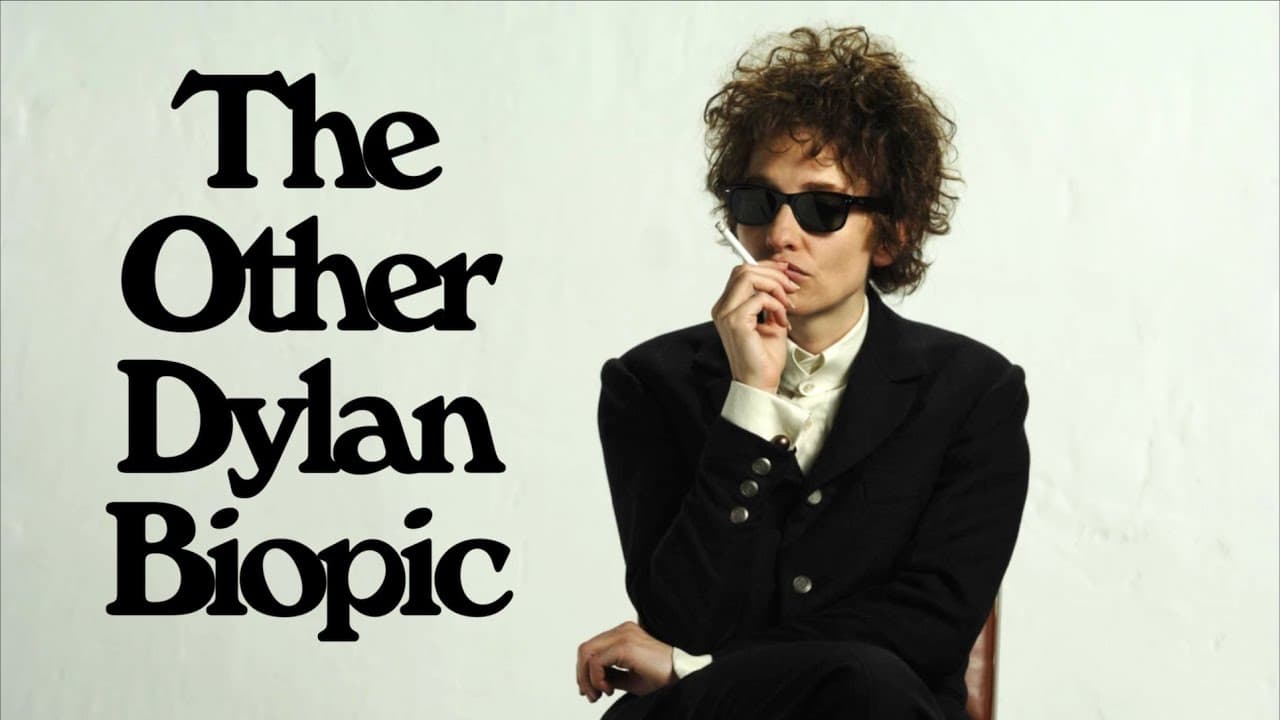
Todd Haynes captures Bob Dylan’s elusive identity by dividing it among six characters rather than forcing his life into one orderly narrative. Although I’m Not There includes landmarks such as Dylan’s 1965 electric transformation, motorcycle accident, and born-again Christian period, its collage structure and shifting styles preserve his mystique. Read on to see what each character reveals about Dylan’s changing personas.
Transcript
why do we love to watch movies about great musical artists what are we hoping to learn from these depictions these distillations of someone's life is it just that we want to see a thrilling true story retold on film or are we searching for something deeper and insight into their motivations and exploration of their creative process a way to access ... Read More
Key Insights
- I’m Not There is a biopic structured as a refraction rather than a condensation of Bob Dylan’s life. Its fragmented narrative opens multiple perspectives on Dylan while resisting the tidy chronology, fixed identity, and explanatory conclusions commonly associated with cinematic portraits of musicians.
- Bob Dylan is portrayed through six characters who are neither named Bob Dylan nor presented as straightforward copies of him. Each occupies a space Dylan held at some point, allowing the film to represent his fractured identity and continual movement between distinct personas.
- Woody Guthrie represents the young Dylan’s invented personal mythology rather than his actual middle-class Jewish childhood. The character tells colorful stories about traveling, performing, and working in a carnival, reflecting Dylan’s ability to adopt Guthrie-inspired tales and identities as a form of freedom.
- Casting Marcus Carl Franklin as a young Black performer named Woody makes impersonation central to the character. His charm captivates older listeners, echoing how Dylan’s early audiences responded to his exuberance, charisma, and surprising ability to express the suffering of people decades older than himself.
- Arthur Rimbaud represents Dylan as a rebellious teenage wordsmith who resists interpretation. His interrogation scenes borrow language from Dylan interviews, particularly press conferences from 1965 and 1966, where Dylan played with journalists’ questions and exposed the absurdity of expecting performers to solve society’s problems.
- Jack Rollins represents Dylan’s politically charged Greenwich Village folk period. His songs confront civil rights, poverty, nuclear warfare, corruption, and social lies, but he eventually rejects the restrictive expectation that he should remain a topical songwriter producing only what he calls finger-pointing songs.
- Father John represents the born-again Christian phase that follows Jack Rollins’s withdrawal from public view. Todd Haynes combines the political folk singer and evangelical gospel performer within one storyline because both identities express connected periods in Dylan’s changing artistic and spiritual life.
- The film preserves Dylan’s mystique by refusing to declare who he truly is. Its collage structure, diverse visual aesthetic, interrelated characters, and risky performances suggest that understanding Dylan requires accepting contradictions and transformations rather than reducing his life to milestones, makeup, and a single psychological explanation.
Install to Summarize YouTube Videos and Get Transcripts
Explore YouTube Video Summarizer or Get YouTube Transcript Extractor
Questions & Answers
Q: How does I’m Not There portray Bob Dylan?
I’m Not There portrays Bob Dylan through six characters rather than a single conventional impersonation. Each character represents a different period, persona, or creative impulse, reflecting Dylan as an elusive shapeshifter whose identity never remains fixed.
Q: Why are six characters used to represent Bob Dylan?
The six characters allow Todd Haynes to present Dylan’s life as a refraction rather than a condensed, chronological biography. Their different names, identities, and experiences open multiple perspectives on Dylan without claiming to reveal one definitive version of him.
Q: Is I’m Not There a traditional Bob Dylan biopic?
It includes famous moments, songs, and stages from Dylan’s life, but it rejects the traditional biopic structure. Instead of arranging his story around one protagonist and a tidy resolution, the film uses interrelated characters, shifting visual styles, and a collage-like narrative.
Q: Who does Woody represent in I’m Not There?
Woody represents the young Dylan’s invented, Woody Guthrie-inspired mythology rather than his actual middle-class Jewish childhood. His colorful stories about traveling, performing, and carnival work show how impersonation and adopted identities gave the young performer creative freedom.
Q: What does Arthur Rimbaud represent in I’m Not There?
Arthur Rimbaud represents Dylan as a rebellious teenage poet and emerging wordsmith who resists interpretation. His interrogation dialogue draws from Dylan interviews, especially press conferences from 1965 and 1966, where Dylan challenged journalists’ questions and expectations.
Q: What part of Bob Dylan’s career does Jack Rollins represent?
Jack Rollins represents Dylan’s politically charged Greenwich Village folk period. His songs address civil rights, poverty, nuclear warfare, corruption, and social lies, but he ultimately rejects the expectation that he should remain limited to what he calls finger-pointing songs.
Q: Why does Jack Rollins become Father John?
Father John connects Dylan’s political folk identity with his later born-again Christian phase. Todd Haynes places both personas within one storyline to show continuity between the celebrated topical songwriter and the evangelical gospel performer.
Q: What events from Bob Dylan’s life appear in I’m Not There?
The film includes Dylan’s admiration for Woody Guthrie, Greenwich Village folk career, politically focused songwriting, and electric transformation at a 1965 folk festival. It also covers difficult encounters with journalists, his motorcycle accident and retreat from public life, his family period and divorce, and his later embrace of Christian rock and gospel music.
Summary & Key Takeaways
-
Todd Haynes rejects the conventional biopic’s tendency to condense an artist into plot points and physical imitation. His film instead refracts Bob Dylan’s life through six characters who embody different periods, personas, and creative impulses, presenting biography as a collage without a tidy beginning, ending, or definitive explanation of its subject.
-
The film still incorporates major landmarks from Dylan’s story, including his admiration for Woody Guthrie, Greenwich Village folk career, politically charged songs, electric transformation, difficult encounters with journalists, motorcycle accident, retreat from public life, family period, divorce, and eventual embrace of Christian rock and gospel music.
-
Each proxy character illuminates a different aspect of Dylan. Woody embodies youthful invention and impersonation, Arthur Rimbaud represents the rebellious wordsmith confronting interrogation, and Jack Rollins connects the celebrated political folk singer with the later born-again Christian performer, showing how apparently separate identities remain parts of one unstable creative life.
Read in Other Languages (beta)
Share This Summary 📚
Summarize YouTube Videos and Get Video Transcripts with 1-Click
Try YouTube Summary with ChatGPT & Claude or YouTube Transcript Generator
Explore More Summaries from Elliot Roberts 📚
Summarize YouTube Videos and Get Video Transcripts with 1-Click
Try YouTube Summary with ChatGPT & Claude or YouTube Transcript Generator