RFK Jr is Unmasking CIA’s Psychological Mind Weapon | Tony Lyons
TL;DR
The discussion centers on Robert F. Kennedy Jr. and censorship in publishing health-related content.
Transcript
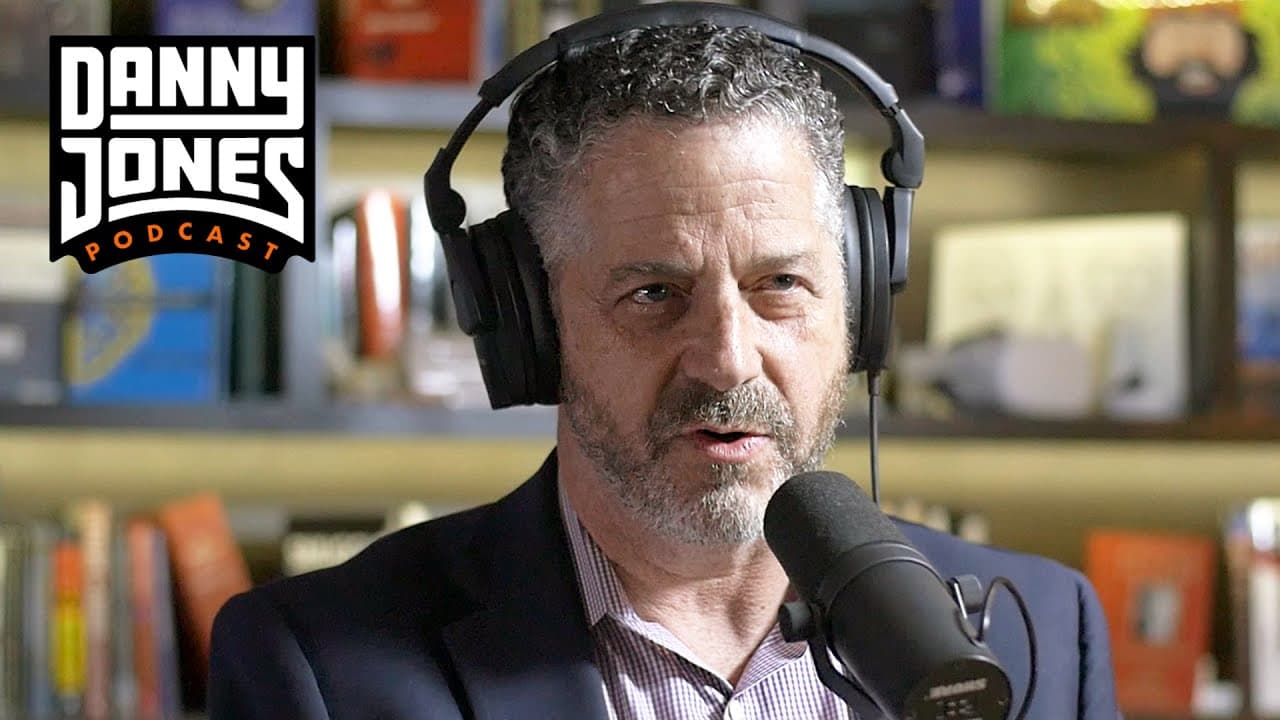
foreign how did you get into this world of publishing books yeah so I was a lawyer for a couple of years first and uh then I joined my father's little Publishing Company worked with him for about seven years then we sold the company and then I started Sky horse is this book right here the book that kind of like really set everything off for you guy... Read More
Key Insights
- 📔 Robert F. Kennedy Jr.'s book "The Real Anthony Fauci" has become a bestseller due to public intrigue and media censorship.
- 🔉 Censorship tactics by major media outlets can backfire, often increasing public interest in controversial topics.
- 🧑⚕️ There is a perceived corruption in public health, where profit often takes precedence over genuine care for people's health.
- 💉 The need for transparency and integrity in health-related governance is more pressing than ever.
- 👶 Changes in public health policy require a new leader who prioritizes honest discourse and rigorous scientific evaluation.
- 😒 The increasing use of social media and podcasts for political campaigning reflects a shift in how candidates reach constituents.
- 🪡 The conversation highlights the urgent need to dismantle the current system of corporate influence in politics to protect democracy.
Install to Summarize YouTube Videos and Get Transcripts
Explore YouTube Video Summarizer or Get YouTube Transcript Extractor
Questions & Answers
Q: What sparked Robert F. Kennedy Jr.'s venture into publishing controversial content?
Kennedy's journey began with his legal background and experience at his father's publishing company. It intensified when he published "The Real Anthony Fauci," which revealed alleged corruption in health narratives and garnered over a million sales despite facing significant censorship.
Q: Why was "The Real Anthony Fauci" so contentious?
The book challenged the prevailing government narratives regarding public health during the COVID-19 pandemic, claiming that the focus was more on profit and control rather than health. Its critical view of Dr. Fauci led to strong opposition from mainstream media and calls for censorship.
Q: How did the media's response to Kennedy's book affect its sales?
The refusal of major newspapers to carry ads or reviews for the book, alongside widespread false narratives about Kennedy and misinformation, led to a counterproductive effect, sparking public curiosity and boosting sales.
Q: What does Kennedy believe needs reform in public health?
Kennedy advocates for eliminating conflicts of interest in government health agencies, emphasizing the importance of real scientific integrity over profit-driven motives. He argues that changes must be made to ensure both transparency and public safety.
Q: How does the speaker view the relationship between corporate power and democracy?
The speaker contends that the current corporate influence poses a significant threat to democracy because politicians often prioritize the interests of big businesses over the health and welfare of the populace. This creates a system rife with corruption.
Q: Are there any potential strategies for Kennedy's political campaign funding?
Kennedy's campaign could benefit from grassroots fundraising through outreach via podcasts and social media. The support from Super PACs is crucial, allowing donors to contribute larger sums while promoting his message through various media channels.
Q: What does the discussion suggest about the future of public health policy?
The commentary suggests that for public health policies to change for the better, there needs to be a major shift towards accountability, scientific inquiry free from corporate influence, and leaders who genuinely aim to improve public welfare.
Q: What lessons can be drawn from the conversation about censorship?
The dialogue emphasizes the importance of open discourse in a democracy. Censorship may provoke curiosity but ultimately, the suppression of diverse viewpoints stifles critical discussions essential to societal progress.
Summary & Key Takeaways
-
The conversation outlines the journey of Robert F. Kennedy Jr. in publishing controversial books, particularly discussing his best-selling work on Dr. Anthony Fauci and the resultant censorship he faced from mainstream media.
-
It highlights the public's growing mistrust in traditional health narratives and the influence of profit-driven pharmaceutical companies, emphasizing the need for accountability and transparency in health matters.
-
The speakers argue for a political shift towards integrity and truth, suggesting Kennedy as a leader who prioritizes public health and democracy over corporate interests.
Read in Other Languages (beta)
Share This Summary 📚
Summarize YouTube Videos and Get Video Transcripts with 1-Click
Try YouTube Summary with ChatGPT & Claude or YouTube Transcript Generator
Explore More Summaries from Danny Jones Podcast 📚
Summarize YouTube Videos and Get Video Transcripts with 1-Click
Try YouTube Summary with ChatGPT & Claude or YouTube Transcript Generator