E25: Biden's vaccine mandate, "equity" in distribution, NFT speculation, impact of inflation & more
TL;DR
Vaccine distribution and eligibility requirements, the rise of NFTs as a new form of digital art, and the potential impacts of economic stimulus are discussed.
Transcript
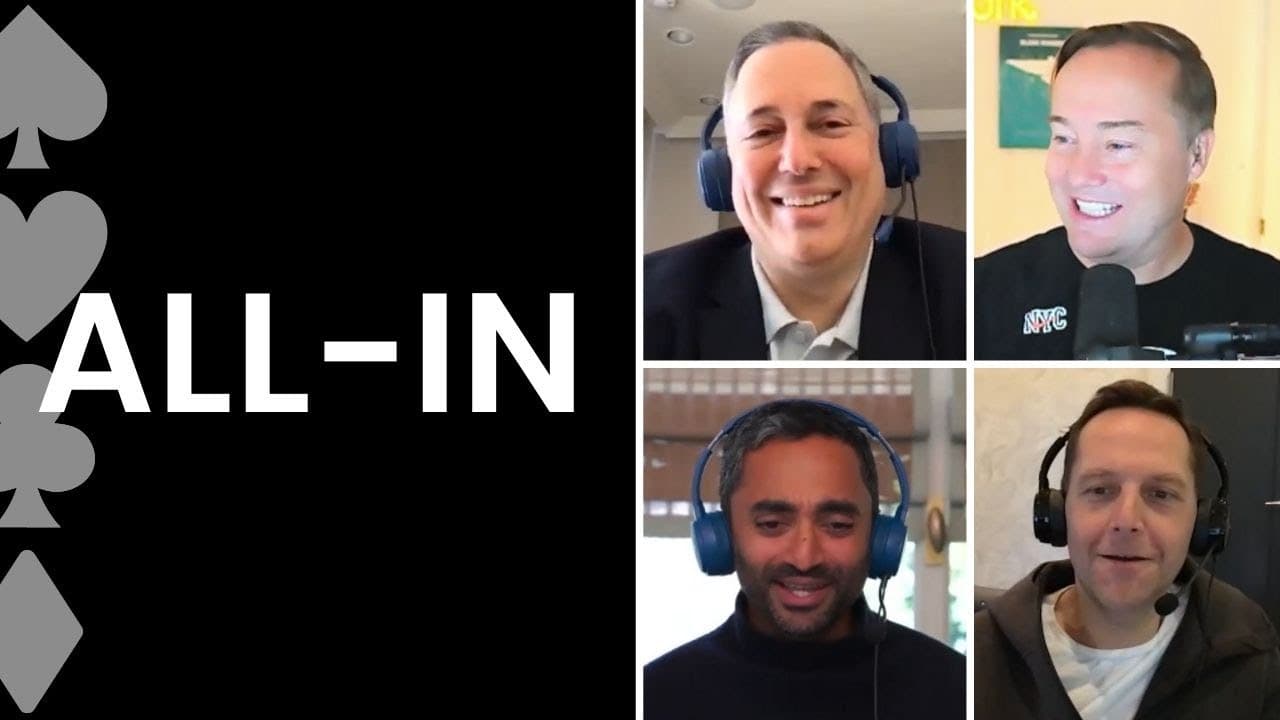
does anybody have any thoughts on this i mean i think it's incredible um so does fredberg's dog hey everybody hey everybody welcome to another episode of the all-in podcast it's been a week it's been a minute with us today of course the queen of quinoa david friedberg and the rain man himself calling in from a nondescript mansion in one of ... Read More
Key Insights
- ❓ Vaccine distribution can be enhanced by simplifying eligibility requirements and removing barriers like complex appointment systems.
- 🥰 NFTs offer a new way to create provenance for digital art, but not all NFTs hold significant value, and the market is still developing.
- 🎱 Economic stimulus, such as the $1.9 trillion bill, can have impacts on inflation, wealth inequality, and the overall economy.
- 😵💫 Inflation has historically reduced wealth inequality, but it also poses risks if it spirals into hyperinflation.
- 📼 Technology companies may be less affected by inflation compared to those with significant physical assets.
Install to Summarize YouTube Videos and Get Transcripts
Explore YouTube Video Summarizer or Get YouTube Transcript Extractor
Questions & Answers
Q: Why are complicated eligibility requirements for getting vaccinated counterproductive?
Complicated eligibility requirements for getting vaccinated, such as appointment systems and website navigation, hinder the vaccination process by discriminating against less tech-savvy individuals and communities hesitant to enter their information in a government database.
Q: What is the concept behind NFTs and their potential value?
NFTs provide provenance for digital assets, creating a unique record on the blockchain. While some NFTs hold significant value as collectible digital art, not all NFTs will be valuable, and the market is still in its early stages.
Q: How does the $1.9 trillion economic stimulus bill impact individuals and households?
The bill includes direct payments of $2,000 to individuals and households, regardless of the financial impact from COVID-19. The injection of capital into the economy through these payments raises concerns about inflation and wealth inequality.
Q: How did inflation in the late 70s affect wealth inequality?
Inflation in the late 70s reduced wealth inequality as it decreased the wealth of the rich more significantly than the middle class. Inflation reduced the value of financial assets, while wages increased and borrowing costs went up, impacting businesses that relied on borrowing.
Summary & Key Takeaways
-
Vaccine distribution: Biden's call for states to drop eligibility requirements and ensure every adult American can get vaccinated by May 1st is supported. Inequitable distribution methods, such as complicated appointment systems, hinder the vaccination process and discriminate against certain communities.
-
NFTs: Non-fungible tokens (NFTs) are gaining popularity as a way to create provenance for digital art. While NFTs have the potential to change the way ownership and value are perceived, not all NFTs hold significant value, and the market is still in its early stages.
-
Economic stimulus: The $1.9 trillion stimulus bill includes direct payments to individuals and households, regardless of financial impact from COVID-19. The impact of injecting this capital into the economy and the potential for inflation and wealth inequality are areas of concern.
Read in Other Languages (beta)
Share This Summary 📚
Summarize YouTube Videos and Get Video Transcripts with 1-Click
Try YouTube Summary with ChatGPT & Claude or YouTube Transcript Generator
Explore More Summaries from All-In Podcast 📚





Summarize YouTube Videos and Get Video Transcripts with 1-Click
Try YouTube Summary with ChatGPT & Claude or YouTube Transcript Generator