How Did Bank Failures Deepen the Great Depression?
TL;DR
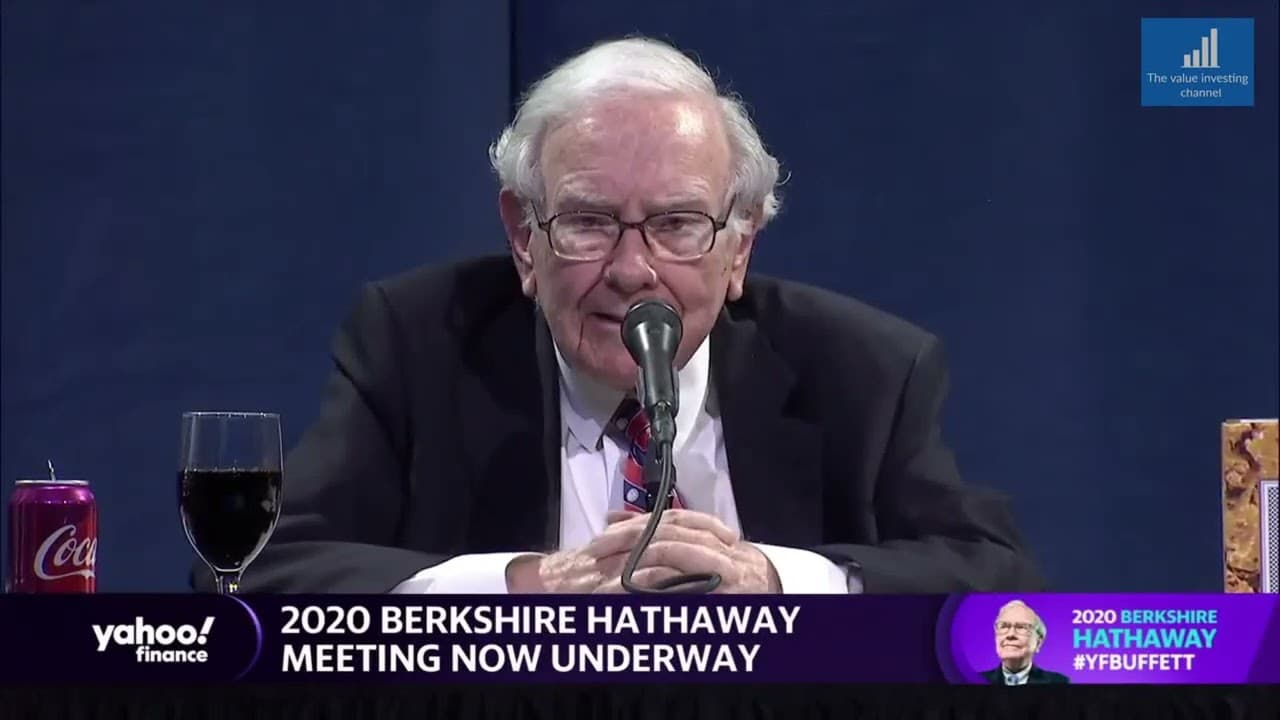
Bank failures transformed a severe market decline into a broader crisis of employment, savings, and public confidence. Warren Buffett argues that earlier federal deposit insurance could have produced a very different outcome by protecting savers, limiting psychological damage, and preventing thousands of local banking collapses from spreading fear across communities.
Transcript
the 1929 crash which led to the great depression and um here um the dow jones average which we'll use through this at that time that's the one everybody paid attention to actually the second most important average at that time if you look at the papers was the New York times average which has disappeared and of course the standard poor's has uh... Read More
Key Insights
- The roaring twenties created broad optimism because margin investing had performed well and technologies such as automobiles, air travel, household appliances, telephones, and movies appeared to signal continuing progress.
- The Dow Jones average nearly lost half its value within months of reaching its celebrated peak, demonstrating how quickly widespread market confidence could reverse after a period of enthusiasm and leveraged stock purchases.
- The early recovery disguised the severity of the developing crisis because many people initially interpreted the downturn as another familiar recession rather than the beginning of an unusually deep and prolonged depression.
- The market decline eventually reduced a broad measure of American stocks by an extraordinary amount, showing that diversification across the general market did not protect investors from the systemic collapse Buffett described.
- Bank failures harmed communities beyond the loss of financial institutions because savers discovered that money accumulated over many years could disappear when they encountered a closed sign at their local bank.
- Federal deposit insurance provides public confidence while operating through bank assessments, and Buffett emphasizes that its expenses and losses had been covered by premiums and investment income rather than American taxpayers.
- Wartime fiscal deficits coincided with an enormous economic recovery, but restored economic activity did not immediately erase the psychological scars created by the Depression or the caution passed from parents to children.
- The memory of the crash shaped investor behavior long after conditions changed, with renewed concern appearing when the Dow crossed a level associated with its earlier peak and prompting a Senate investigation into the market.
Install to Summarize YouTube Videos and Get Transcripts
Explore YouTube Video Summarizer or Get YouTube Transcript Extractor
Questions & Answers
Q: How did the stock market crash develop into the Great Depression?
The crash began after a period of strong optimism, successful margin buying, and excitement about expanding technologies. The Dow Jones average then nearly fell by half within months. Although it later recovered somewhat, the decline resumed and became exceptionally severe. Bank closures, job losses, destroyed savings, and collapsing confidence helped turn what initially seemed like a familiar recession into a prolonged national crisis.
Q: Why did people initially mistake the Great Depression for a normal recession?
People had experienced many earlier recessions, so the initial downturn did not appear dramatically unusual to them. The stock market also recovered somewhat after its first collapse, reinforcing the belief that conditions might stabilize. Buffett notes that people living through the period did not know what the final outcome would be, making the depression's exceptional severity much less obvious at the beginning.
Q: Why does Warren Buffett emphasize bank failures during the Depression?
Buffett emphasizes bank failures because each closure created a direct local disaster. People who had carefully saved money could arrive at their bank and discover that their funds were gone. These experiences affected neighbors, relatives, workers, and businesses across the country. He believes the resulting psychological damage was incredible and that widespread bank failures materially worsened the Depression experience.
Q: How could deposit insurance have changed the Great Depression?
Buffett believes that deposit insurance introduced earlier would have produced a much different experience. By protecting depositors when banks failed, it could have prevented many savers from losing everything and reduced the fear spreading through communities. His argument focuses on confidence as well as money, because knowing that bank deposits were protected would have provided peace of mind during severe financial stress.
Q: How is federal deposit insurance funded according to Buffett?
According to Buffett, federal deposit insurance operates like a mutual insurance arrangement for banks that is associated with and backed by the federal government. Its expenses and losses had been paid through assessments on banks. The fund accumulated premiums and investment income, then used those resources to cover operating expenses and losses, while providing depositors with substantial peace of mind.
Q: How long did the Depression influence investor psychology?
The Depression influenced investor psychology long after economic activity improved. Buffett says its memory lasted longer in people's minds than its direct effects, partly because parents passed their experiences to their children. The crash became a widely recognized historical symbol. Even when the country and its corporations had changed, investors still feared that reaching an old market level might precede another collapse.
Q: What role did wartime spending play in the economic recovery?
Buffett says wartime conditions brought an involuntary adoption of Keynesianism through extremely large fiscal deficits. Government debt rose sharply relative to the economy, and an enormous economic recovery followed. However, the recovery did not immediately remove the emotional consequences of the Depression. Memories of lost savings, unemployment, bank closures, and market collapse continued shaping attitudes toward wealth and investing.
Q: Why did a later rise in the Dow revive fears of another crash?
The later market rise carried the Dow above a level strongly associated with the earlier peak. Although the country had changed, many people wondered whether the situation resembled the earlier speculative collapse. The concern became serious enough for Senator Fulbright, who headed the Senate Banking Committee, to call a special stock market investigation examining whether another fragile financial structure had developed.
Summary & Key Takeaways
-
The Dow Jones average reached a celebrated peak during the optimism of the roaring twenties, when margin buying had worked well and innovations such as automobiles, air travel, appliances, telephones, and movies encouraged confidence. The subsequent crash nearly cut the average in half within a matter of months.
-
A temporary market recovery caused many people to view the downturn as an ordinary recession rather than the beginning of an exceptional depression. The decline then resumed with extraordinary force, destroying much of the value represented by a broad range of American stocks and leaving families exposed to unemployment and failed banks.
-
Buffett identifies federal deposit insurance as a major beneficial reform that emerged from the Depression. He argues that repeated bank failures devastated savers and deeply damaged public confidence. Even after economic recovery arrived, memories of the crash continued influencing investors and provoking fears whenever the market revisited historically significant levels.
Read in Other Languages (beta)
Share This Summary 📚
Summarize YouTube Videos and Get Video Transcripts with 1-Click
Try YouTube Summary with ChatGPT & Claude or YouTube Transcript Generator
Explore More Summaries from The value investing channel 📚



Summarize YouTube Videos and Get Video Transcripts with 1-Click
Try YouTube Summary with ChatGPT & Claude or YouTube Transcript Generator