What Motivated the CIA Agent Who Captured Che Guevara?
TL;DR
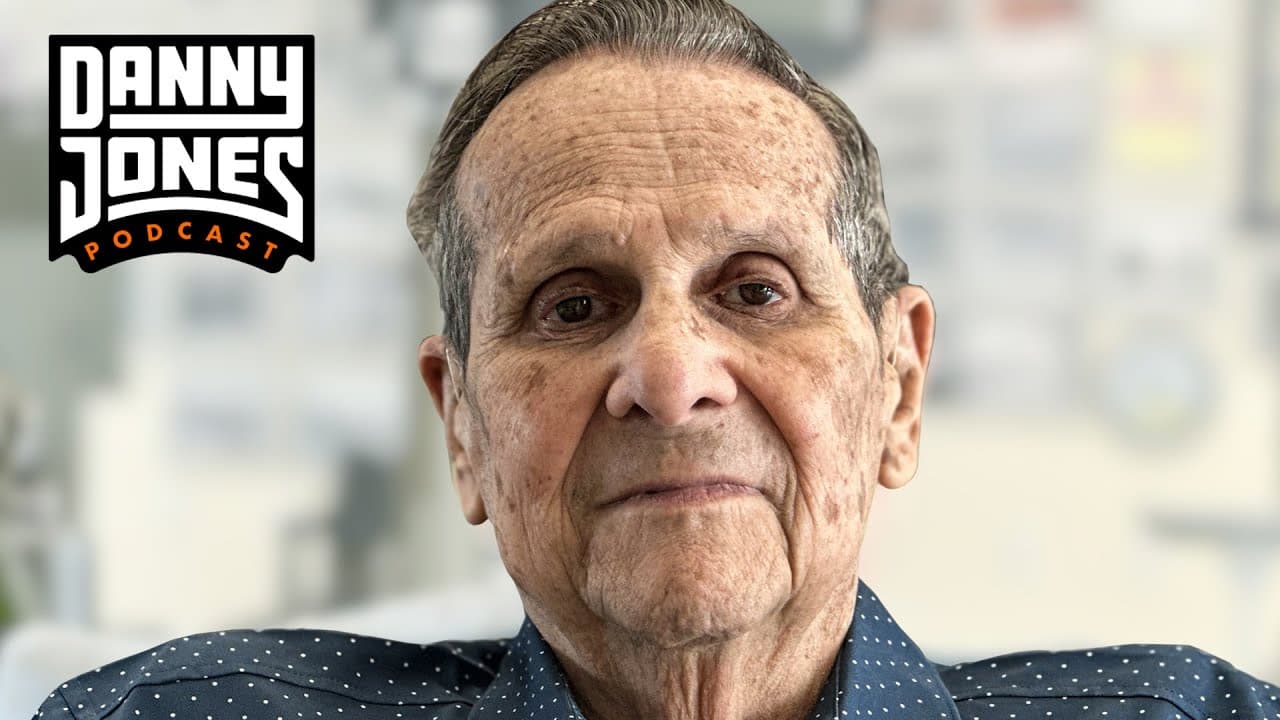
Felix Rodriguez, a CIA operative, shares his firsthand experiences with Che Guevara during his captivity, highlighting Guevara's complex demeanor. He reflects on his role in the failed Bay of Pigs invasion, expressing regret over the moral implications of U.S. actions in Latin America and the consequences of coercive tactics employed during the Cold War.
Transcript
so I stood in front he and said Che I'd like to talk to you he looked at me very arrogant said nobody talks to me nobody interrog interrogate me so when I saw that actitude I said commandante I didn't come here and interrogate you I like to talk to you I admire you you used to be head of a stay in Cuba and you're here because you believe in your id... Read More
Key Insights
- 🇨🇫 Personal interactions with Guevara revealed a multifaceted character beyond his public persona as a revolutionary figure.
- 😑 The operative expressed deep regret over the failures of the Bay of Pigs invasion, reflecting a broader understanding of the consequences of U.S. intervention.
- 🫥 The moral complexities of assassination were highlighted, illustrating the fine line between national interests and ethical violations.
- 🌎 Historical context is crucial in understanding the dynamics of covert operations during the Cold War and their impact on Latin America.
- 🫒 The narrative emphasizes the psychological toll of living a life entrenched in secrecy and conflict, affecting personal relationships and individual values.
- ✊ The operative’s experience includes a unique perspective on the nature of power, resistance, and the often-destructive nature of revolutionary zeal.
- 🏈 Each covert operation carried unintended consequences, often resulting in further complications in U.S.-Latin American relations.
Install to Summarize YouTube Videos and Get Transcripts
Explore YouTube Video Summarizer or Get YouTube Transcript Extractor
Questions & Answers
Q: What were your first impressions of Che Guevara during your interaction?
Initially, Guevara exhibited an arrogant demeanor, stating he does not interrogate. However, as our conversation progressed, it became apparent that he respected me for my honesty. I admired his dedication to his ideals, even though I strongly disagreed with them. This complexity made our interaction thought-provoking.
Q: Can you recount the circumstances surrounding your involvement in the Bay of Pigs?
My involvement stemmed from a desire to aid in the fight against Castro. We believed that taking action against him would liberate Cuba. However, the operation was poorly planned and executed, leading to a significant failure and a deep sense of regret for the lost lives.
Q: How did you cope with the moral dilemmas faced during your covert operations?
Compartmentalization became vital; I had to separate my personal feelings from the mission's objectives. In extreme situations, such as potential mass casualties, I would justify my actions based on the greater good, but this remains a deeply troubling aspect of my experiences.
Q: What do you believe are the lasting impacts of U.S. involvement in Latin America?
The consequences have been profound. America's covert operations often led to destabilization and conflict. While intended to combat communism, these actions frequently resulted in suffering for local populations and failed to achieve lasting peace.
Q: How did your life change after becoming a part of the CIA?
My perspective on life shifted dramatically. I became more aware of the complexities and harsh realities of international politics and warfare. I learned to navigate a world of secrets, betrayal, and moral ambiguity, which profoundly affected my personal relationships and outlook.
Q: What are your reflections on the assassination cultures discussed in this content?
Assassination can seem like a quick solution, but it raises ethical questions. While it may save lives temporarily, the repercussions can be dire, often leading to further violence and instability. I believe such actions should only be taken with careful deliberation and in the most extreme circumstances.
Q: Do you think Che’s ideals were misunderstood or misrepresented by his actions?
Yes, Guevara's ideology was more about social justice from his perspective. However, his methods—often brutal and authoritarian—contradicted the very ideals he purported to uphold. This mismatch between beliefs and actions created a complex legacy that continues to be debated.
Q: What can you say about the investigations into the assassination of JFK?
There’s a strong sentiment among many operatives that the CIA’s involvement in various covert activities made them targets for retaliation. The connection between Castro, the CIA, and Oswald remains a debated issue, contributing to conspiracy theories surrounding JFK's assassination.
Summary & Key Takeaways
-
The operative shares personal interactions with Che Guevara and his insights into Castro's regime, revealing Guevara's demeanor and thoughts during captivity.
-
He reflects on his involvement in the Bay of Pigs and various covert operations, emphasizing the complexity of moral decisions in espionage and military efforts.
-
The narrative touches on the broader implications of U.S. involvement in Latin America, particularly in the context of the Cold War, and the consequences of assassination policies.
Read in Other Languages (beta)
Share This Summary 📚
Summarize YouTube Videos and Get Video Transcripts with 1-Click
Try YouTube Summary with ChatGPT & Claude or YouTube Transcript Generator
Explore More Summaries from Danny Jones Podcast 📚



Summarize YouTube Videos and Get Video Transcripts with 1-Click
Try YouTube Summary with ChatGPT & Claude or YouTube Transcript Generator