How to Manage Time and Stop Procrastination
TL;DR
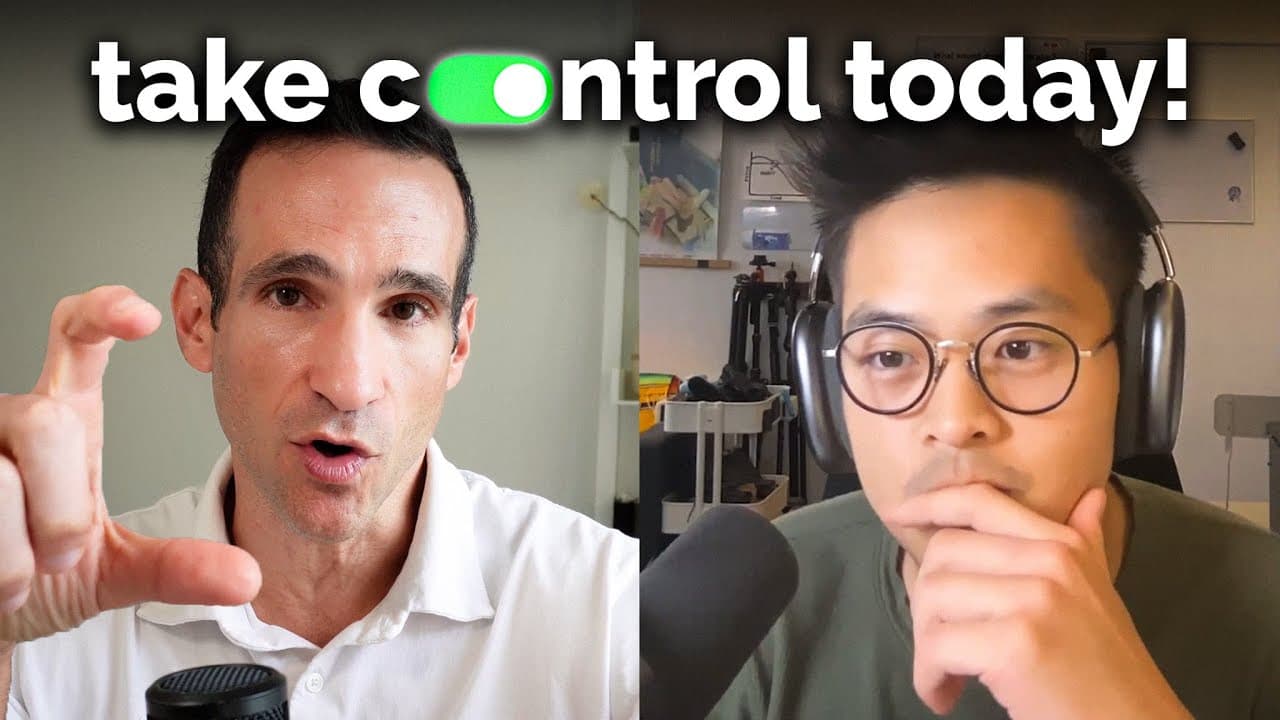
The key to overcoming procrastination and distraction is to manage emotional discomfort effectively. Time management is essentially pain management, as all human behavior is driven by the desire to escape discomfort. By mastering internal triggers, scheduling time for important tasks, reducing external distractions, and making precommitments, you can take control of your attention and become indistractable.
Transcript
what is the root cause of your procrastination of your distraction the root cause is an emotion disregulation problem you don't have a moral failing Society isn't trying to addict you there's nothing wrong with your brain it's simply you don't have a skill so the solution to that welome back to the channel if you're new the idea with this channel i... Read More
Key Insights
- Procrastination and distraction are rooted in emotional discomfort, not a lack of willpower.
- Time management is fundamentally about managing emotional discomfort.
- Becoming indistractable involves mastering internal triggers, scheduling time for traction, hacking back external triggers, and making precommitments.
- Infinite scrolling and similar distractions are opportunity costs, not inherently harmful.
- The opposite of distraction is traction, which is any action done with intent.
- To combat procrastination, identify the root emotional triggers and have strategies to address them.
- Scheduling reflective work time without distractions is crucial for productivity.
- Measure success by the input of time and attention, not just output.
Install to Summarize YouTube Videos and Get Transcripts
Explore YouTube Video Summarizer or Get YouTube Transcript Extractor
Questions & Answers
Q: How to stop infinite scrolling?
Infinite scrolling can be stopped by understanding the opportunity cost it represents and scheduling time for intentional use of social media. Use tools like browser extensions to limit distractions and ensure that your time spent online aligns with your values and is planned in advance.
Q: What causes procrastination?
Procrastination is primarily caused by emotional discomfort. It is an emotion regulation problem where individuals seek to escape uncomfortable feelings like boredom or anxiety. By addressing these internal triggers and having strategies to manage them, procrastination can be reduced.
Q: How can I become indistractable?
To become indistractable, follow a four-step process: master internal triggers, make time for traction by scheduling tasks, hack back external triggers, and prevent distractions with precommitments. This approach helps align actions with intentions and reduces the likelihood of distraction.
Q: Why do people get distracted?
Distraction occurs when individuals seek to escape discomfort. It is often not the external environment but internal triggers like boredom or anxiety that drive distraction. Understanding and managing these triggers can help individuals stay focused and reduce distractions.
Q: How to manage time effectively?
Effective time management involves aligning your schedule with your values and making intentional decisions about how to spend your time. By planning your day in advance and addressing emotional triggers, you can ensure that your time is spent on tasks that matter to you.
Q: What is the role of emotional discomfort in productivity?
Emotional discomfort plays a significant role in productivity as it drives procrastination and distraction. By learning to manage these uncomfortable feelings, individuals can focus better and increase their productivity. Time management is essentially about managing these emotional triggers.
Q: How to motivate yourself when you don't feel like it?
Motivation can be enhanced by understanding the root of emotional discomfort and having strategies to address it. Techniques like the 10-minute rule, where you allow yourself to give in to a distraction after a set time, can help manage urges and maintain focus on tasks.
Q: How to measure productivity effectively?
Productivity should be measured by the input of time and attention rather than just the output. Consistently dedicating time and focus to tasks will eventually lead to desired outcomes. It's important to schedule tasks and measure success by adherence to the schedule rather than the amount of work completed.
Summary & Key Takeaways
-
Procrastination stems from emotional discomfort, not moral failings or external distractions. Effective time management involves addressing internal triggers and scheduling tasks that align with personal values. By understanding the root causes of distraction, you can create a structured approach to becoming indistractable.
-
Nir Eyal outlines a four-step process to manage distractions: master internal triggers, make time for traction, hack back external triggers, and prevent distractions with precommitments. This method helps individuals align their actions with their intentions and values.
-
Infinite scrolling and similar habits are not inherently bad but represent opportunity costs. By scheduling time for both reactive and reflective work, individuals can ensure they focus on tasks that matter. Success is measured by the input of time and attention, not just the output.
Read in Other Languages (beta)
Share This Summary 📚
Summarize YouTube Videos and Get Video Transcripts with 1-Click
Try YouTube Summary with ChatGPT & Claude or YouTube Transcript Generator
Explore More Summaries from Reysu 📚





Summarize YouTube Videos and Get Video Transcripts with 1-Click
Try YouTube Summary with ChatGPT & Claude or YouTube Transcript Generator