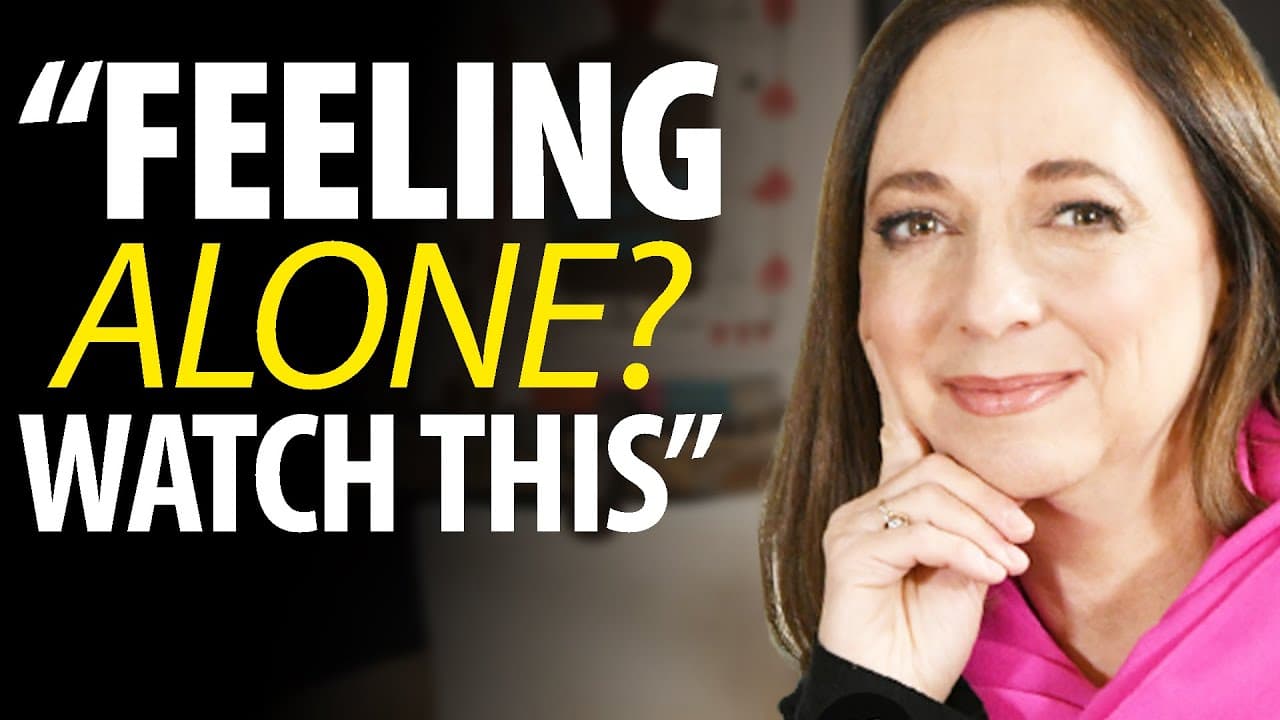
When You Feel SAD or LONELY In Life, WATCH THIS! (Heal Your Trauma) | Susan Cain & Jay Shetty
TL;DR
Healing trauma begins with accepting pain, including feeling overwhelmed or angry, rather than denying life’s mix of joy and sorrow. On Jay Shetty’s On Purpose, Susan Cain explains how minor-key music can turn shared pain into beauty, why unrecognized loss becomes disenfranchised grief, and how connection and creative expression can give suffering meaning. Read on for practical insights into mourning, emotional acceptance, and compassionate support.
Transcript
there's many many ways in which these emotions show up and one of the things that psychologists talk about is this phenomenon that they call disenfranchised grief which basically means that there's a thousand and one versions of these griefs and these separations that are not socially acceptable to mourn and so we don't warn them we don't even name... Read More
Key Insights
- Disenfranchised grief refers to types of grief that society does not recognize or validate, making it harder for individuals to mourn.
- Acceptance is the first step in healing from trauma, allowing individuals to acknowledge their pain without judgment.
- Connection with others is a powerful healing tool, providing support and understanding during difficult times.
- Sad music often uplifts people by connecting them to a sense of shared human experience and longing for a more beautiful world.
- Transforming pain into creative outputs, such as art or community service, can be a powerful way to heal and find meaning.
- Organizations can foster a culture of compassion by encouraging proactive support among colleagues, leading to better emotional and work outcomes.
- Leaders can model vulnerability by sharing their own struggles, creating a more open and supportive work environment.
- The bittersweet nature of life means embracing both the joy and sorrow, recognizing that they coexist and contribute to the human experience.
Install to Summarize YouTube Videos and Get Transcripts
Explore YouTube Video Summarizer or Get YouTube Transcript Extractor
Questions & Answers
Q: How can someone begin healing trauma when they feel sad or lonely?
Susan Cain says acceptance is the first step: acknowledge that life contains both joy and sorrow and allow your response to pain to exist. Acceptance can include feeling overwhelmed or angry after an aversive event; it does not require calmly letting everything wash over you.
Q: What is disenfranchised grief?
Disenfranchised grief is grief caused by separations or losses that society does not consider acceptable to mourn. Because these experiences are often unnamed and unrecognized, people may not permit themselves to mourn them.
Q: Why can accepting sorrow reduce emotional pressure?
Avoiding sorrow can prevent people from naming experiences that require mourning. Accepting that life is a mixture of joy and sorrow makes room for difficult reactions without judging them as unacceptable.
Q: Why can sad or minor-key music feel uplifting?
Cain says longing or yearning music can create uplift because musicians express pain that all humans experience. The music communicates that others have felt the same way and transforms that shared pain into something beautiful.
Q: How can pain be transformed into something positive?
Pain can become a creative output such as art, music, or community service. Turning suffering into something meaningful can support healing, create beauty, and help people connect with others.
Q: How does connection with others support healing?
Recognizing that other people experience pain can make someone feel less isolated and more understood. Cain describes acceptance of life’s shared joy and sorrow as a powerful bonding force among people.
Q: Why should people embrace both joy and sorrow?
Cain describes life as bittersweet because joy and sorrow coexist. A willingness to accept that mixture can deepen human connection and serve as a source of creativity and transcendence.
Q: How can organizations and leaders support people experiencing pain?
Organizations can cultivate compassion by encouraging colleagues to offer proactive support. Leaders can model vulnerability by sharing their own struggles, helping create an environment where people feel safer expressing emotions and seeking help.
Summary
In this video, Jay Shetty interviews Susan Kain, the author of "Quiet: The Power of Introverts in a World That Can't Stop Talking". They discuss the concept of disenfranchised grief and the need for society to be more accepting and open about pain and sorrow. They explore how pain can be transformed into something creative, and the importance of connection and meaning in the healing process. They also touch on the balance between expressing and discussing pain without getting stuck in it, and the societal shifts needed to create a more supportive environment for those going through grief and loss.
Questions & Answers
Q: Where did Susan Kain's journey of understanding pain and sorrow begin?
Susan Kain's journey began when she noticed her attraction to sad and longing music, which had a powerful and uplifting effect on her. She started to explore the beauty and transcendence that can be found in sorrow, and how it is a universal human experience.
Q: Is the avoidance of pain and sorrow the cause of more pain and stress?
Yes, the avoidance of pain and sorrow can amplify our suffering and cause more stress. Acceptance is the first step in the healing process, followed by a commitment to the values that matter to us. By making meaning out of our pain and finding connection with others, we can move towards wholeness.
Q: Is courage or curiosity needed to look at painful areas in our lives?
Both courage and curiosity are important in facing and exploring painful areas of our lives. However, the most significant factor is connection. The willingness to be open and connect with others who have experienced similar pain is crucial in healing and finding meaning.
Q: How can sad music transform into something uplifting?
Sad music can uplift us because it connects us with a deeper sense of longing and a feeling that we belong in a more perfect and beautiful world. It is a reminder of our shared human experience of love and loss. Sad music uplifts us by touching something higher and connecting us with a higher state of being.
Q: Can transforming pain into something creative and meaningful be done by anyone?
Yes, the transformation of pain into something creative and meaningful is possible for everyone. This creativity can take various forms, from art and music to simple acts of kindness and connection. The key is to find a way to make our pain an offering and to find beauty in the transformation.
Q: How does one start the healing process when in deep pain and trauma?
The first step is acceptance, which includes sitting with the pain and allowing ourselves to feel it. Connection is also essential, whether it is connecting with one person or a community that understands and supports us. Starting small and finding small acts of transformation can help to begin the healing journey.
Q: Is there a difference in approach to dealing with the loss of someone who has passed away or someone who is still alive but separated from us?
Yes, there can be a difference in approach depending on the type of loss. Bereavement is often more recognized and accepted, while other forms of loss or separation may not be socially acknowledged or mourned. There is a need to create spaces and conversations where various forms of loss are acknowledged and supported.
Q: How can we balance expressing our pain and finding meaning without getting stuck in it?
The balance comes from acceptance and commitment. Acceptance involves sitting with the pain, while commitment involves making meaning out of it and finding ways to move forward and carry the lost person or experience with us. Connection with others who understand and support us is vital in this process.
Q: How can society adapt to allow for healthier conversations around loss and pain?
Society can adapt by creating more open and non-judgmental spaces for people to express their pain and share their experiences. This includes acknowledging and accepting various forms of loss, both socially recognized and disenfranchised grief. There is a growing movement to talk more openly about death, grief, and loss, which can help integrate these experiences into our daily lives and build deeper connections with others.
Q: What are some examples of carrying someone with you and integrating their loss into your life in a healthy way?
Examples include keeping the memory of a lost loved one alive by talking about them and including them in conversations, creating physical reminders of their presence, and incorporating the lessons and values learned from the lost person into one's life. Each individual may find their unique way of carrying someone with them, but the key is to continue the relationship and connection in a way that feels meaningful and appropriate.
Q: What is the difference between moving on and moving forward in the context of loss?
Moving on suggests leaving the past behind and moving forward without carrying the lost person or experience with you. Moving forward, on the other hand, acknowledges that the lost person or experience will always be a part of you and shapes who you are. It is about integrating the past and finding a way to carry it with you as you continue on your life journey.
Summary & Key Takeaways
-
Healing begins with acceptance of pain and the bittersweet nature of life. By transforming pain into creative expressions, individuals can foster healing and connection. Music and art serve as universal languages that help process emotions, offering solace and unity.
-
Connection with others is key to healing, providing support and understanding. Organizations can cultivate a culture of compassion by modeling vulnerability and encouraging proactive support among colleagues, leading to better emotional and work outcomes.
-
Embracing both joy and sorrow allows us to connect deeply with others and find meaning in our experiences. Transforming pain into creative outputs can help individuals heal and find purpose, turning personal struggles into sources of strength and inspiration.
Read in Other Languages (beta)
Share This Summary 📚
Summarize YouTube Videos and Get Video Transcripts with 1-Click
Try YouTube Summary with ChatGPT & Claude or YouTube Transcript Generator
Explore More Summaries from Health & Wellness 📚





Summarize YouTube Videos and Get Video Transcripts with 1-Click
Try YouTube Summary with ChatGPT & Claude or YouTube Transcript Generator