How to Build Empathy and Accountability at Work
TL;DR
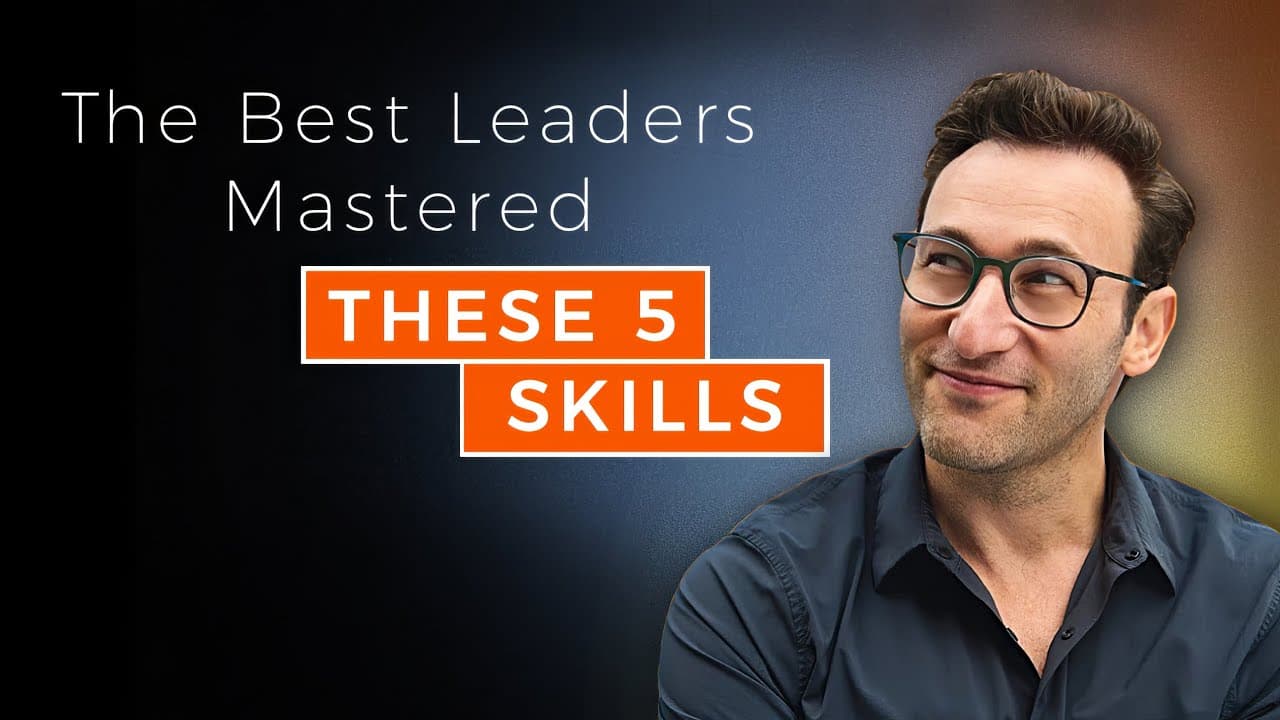
Effective leadership is learned through continual practice, especially by listening, showing empathy, handling difficult conversations, and taking accountability. Leaders get better information when they ask struggling employees what is wrong instead of immediately threatening consequences. They should also reward initiative, develop self-reliance in others, support people who own mistakes, and model the accountability they expect.
Transcript
Just like there's no such thing as an expert leader, just like there's no such thing as an expert parent, right? All of these things are journeys and we're always, you're always a student parent, you're always a student leader. And the best leaders, the best parents, they're constantly learning. They're constantly finding new resources. They're rea... Read More
Key Insights
- Leadership is a continuing learning journey because no one becomes a finished expert leader. The best leaders remain students who seek resources, read books and articles, watch talks, and discuss their experiences with friends so they can keep improving how they support and guide others.
- Effective listening is sometimes more valuable than offering solutions. A struggling person may need a friend or colleague to remain present, hear what they are experiencing, and help them feel less alone rather than immediately trying to diagnose or fix the situation.
- Empathy at work begins with asking what is happening before demanding improved performance. When an employee misses targets repeatedly, expressing concern and asking whether they are okay can produce a more honest answer than warnings that make the employee defensive.
- Personal struggles can affect workplace performance because problems involving marriage, children, or distressing events do not simply disappear when someone arrives at work. Leaders need the listening and questioning skills required to uncover those pressures before they can provide useful support.
- Rewarding desired behavior can strengthen that behavior even when the immediate outcome is unsuccessful. Dennis promoted Simon after a lost business pitch because Simon had taken initiative, developed an insight, created a strategy, and completed work normally handled by senior leaders.
- Questions can develop self-reliance when leaders resist supplying every answer. Peter repeatedly asked Simon what he thought he should do, which initially felt frustrating but ultimately strengthened Simon's confidence, decision-making, personal responsibility, and willingness to solve problems himself.
- Accountability means personally owning what happened instead of blaming the market, another person, or vague circumstances. Simon supports and protects people who acknowledge mistakes and participate in fixing them, while avoiding responsibility leads him to ask persistent and uncomfortable questions.
- Leadership expectations must be modeled by the leader. Simon says he openly acknowledges when he made a mistake, when a failure happened on his watch, or when he assigned something poorly because he cannot reasonably demand accountability that he will not demonstrate himself.
Install to Summarize YouTube Videos and Get Transcripts
Explore YouTube Video Summarizer or Get YouTube Transcript Extractor
Questions & Answers
Q: How can leaders show empathy when performance declines?
Leaders can show empathy by describing the performance problem clearly and then asking whether the employee is okay and what is happening. This approach expresses concern without ignoring repeated missed targets. It is more likely to reduce defensiveness, produce honest information about the employee's struggles, and create an opportunity for the leader to provide practical help before tension becomes worse.
Q: Why should leaders keep learning throughout their careers?
Leaders should keep learning because leadership is a journey, not a condition in which someone becomes a complete expert. Strong leaders remain students by reading books and articles, watching talks, finding new resources, and discussing challenges with friends. Continued learning helps them improve essential skills such as listening, empathy, confrontation, and conducting difficult conversations in ways other people can hear.
Q: What should you do when someone needs listening instead of solutions?
When someone needs listening rather than solutions, remain present and allow the person to explain what they are experiencing without immediately trying to fix them. The person may simply need to feel heard and less alone. If the need is unclear, the person can directly say that they do not want solutions and need the listener to listen while they work through the struggle.
Q: How can a difficult conversation avoid making someone defensive?
A difficult conversation can avoid unnecessary defensiveness by combining a clear statement of the problem with empathy, concern, and an open question. For example, after acknowledging repeated missed numbers, a leader can ask whether the employee is okay and what is going on. This creates space for an honest answer and makes assistance possible, rather than beginning with threats about future consequences.
Q: Why should leaders reward behavior instead of only outcomes?
Leaders should reward behavior they want repeated because a valuable behavior can exist even when the immediate result is disappointing. Simon and another junior employee independently developed an entire business pitch, but the agency lost the business. His boss still gave him a major promotion because he had demonstrated initiative. Rewarding that initiative encouraged him to take initiative again instead of playing safe.
Q: How can leaders build self-reliance in team members?
Leaders can build self-reliance by asking team members what they think should happen instead of answering every question for them. Peter used this method when Simon asked what to do, including when something had gone wrong. Although the approach felt annoying at the time, it taught Simon to form judgments, trust himself, accept accountability, and work out how to correct problems.
Q: What does accountability look like in effective leadership?
Accountability means saying that you made the mistake or that the problem occurred on your watch, rather than claiming that it merely happened or assigning blame elsewhere. An effective leader expects people to acknowledge their role and participate in the repair. In return, the leader can stand beside them, help solve the problem, protect them, and avoid responding to mistakes with yelling.
Q: Why must leaders model the accountability they expect?
Leaders must model accountability because they cannot credibly expect team members to own mistakes if they refuse to do so themselves. Simon describes being the first to say that he made an error, that something happened on his watch, or that he should not have assigned a particular responsibility. By apologizing and accepting ownership, the leader demonstrates the behavior expected from everyone else.
Summary & Key Takeaways
-
Leadership is an ongoing journey rather than a status of expertise. Strong leaders continually seek information, practice listening, learn to conduct difficult conversations, and develop empathy. These interpersonal skills help them understand what colleagues are experiencing and respond constructively when personal pressures, emotional struggles, or disappointing performance affect the workplace.
-
Empathetic confrontation replaces an immediate demand for better results with concern and curiosity. Asking an employee whose numbers have declined whether they are okay can reduce defensiveness and reveal the actual problem. Once leaders receive honest information, they can provide meaningful help before unresolved tension leads to resignation or dismissal.
-
Two leadership experiences illustrate how people grow. Dennis rewarded Simon's initiative despite a lost pitch, encouraging more initiative. Peter answered questions by asking what Simon thought, which developed self-reliance, confidence, and accountability. Simon now supports people who own mistakes, expects them to help fix problems, and models ownership himself.
Read in Other Languages (beta)
Share This Summary 📚
Summarize YouTube Videos and Get Video Transcripts with 1-Click
Try YouTube Summary with ChatGPT & Claude or YouTube Transcript Generator
Explore More Summaries from Simon Sinek 📚





Summarize YouTube Videos and Get Video Transcripts with 1-Click
Try YouTube Summary with ChatGPT & Claude or YouTube Transcript Generator