Why Did a Judge Reject DOJ's Epstein File Bid?
TL;DR
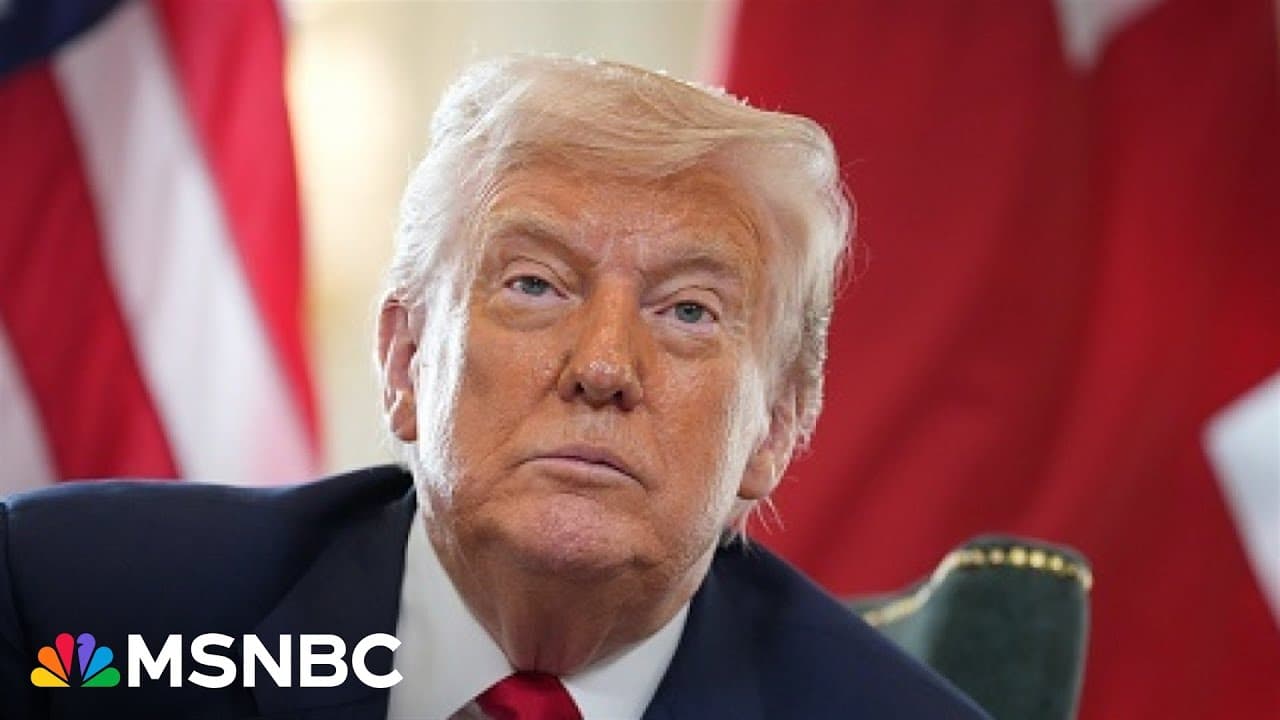
A federal judge rejected the Justice Department’s request to unseal Maxwell grand jury materials because the government’s reasoning did not satisfy the established exceptions to grand jury secrecy. The judge also found that the materials would add no meaningful new information, suggesting the request could create an appearance of transparency without delivering substantive disclosure.
Transcript
SEE NICOLE. THANK YOU SO MUCH. WELCOME TO THE BEAT. I'M MUCH. WELCOME TO THE BEAT. I'M JASON JOHNSON IN FOR ARI MELBER. JASON JOHNSON IN FOR ARI MELBER. WE BEGIN WITH. WE BEGIN WITH. NEW HEAT ON. >> NEW HEAT ON. DONALD TRUMP AMID THE EPSTEIN >> DONALD TRUMP AMID THE EPSTEIN UPUPROAR AS HIS LATEST ATTEMPT O UPROAR AS HIS LATEST ATTEMPT TO S... Read More
Key Insights
- Grand jury information is secret unless a request satisfies an exception listed in the federal rules of criminal procedure. Asha Rangappa said the government’s reasoning did not meet any applicable exception, making the judge’s rejection of the unsealing request an expected result.
- The Maxwell grand jury materials would not meaningfully expand public knowledge, according to the judge who reviewed them. The ruling stated that the Justice Department’s premise that the records would reveal significant new information about Epstein, Maxwell, or the government’s investigation was demonstrably false.
- The Justice Department’s request could be understood as diversion rather than disclosure. The judge wrote that a member of the public, after recognizing that the materials added nothing to public knowledge, might conclude that the motion sought the illusion of transparency instead of full transparency.
- The unsealing effort was described as a red herring before the ruling. Legal experts cited in the segment had argued for weeks that much of the relevant information was already known and that releasing the requested grand jury materials would probably shed very little additional light.
- The judge’s ruling separated grand jury records from the administration’s broader collection of Epstein-related information. Molly Jong-Fast said the government possesses thousands of pages, videos, and other material, while also acknowledging that some content cannot be released because of its nature.
- The administration publicly claimed that it wanted credible information released. J.D. Vance said President Trump wanted full transparency and that officials were working to compile thousands of documents, but the segment contrasted that claim with the judge’s criticism of the specific unsealing request.
- The judge treated the Justice Department’s motion as a pointless request under the governing secrecy rules. Rangappa suggested the unsuccessful motion could allow officials to blame the court for nondisclosure by saying the judge prevented release, even though the legal criteria were not satisfied.
- Trump’s public framing of the controversy shifted, according to the segment. He moved from calling the matter a hoax to claiming Democrats were hiding something, while reporters continued pressing him about the court ruling during a White House press conference without receiving an answer.
Install to Summarize YouTube Videos and Get Transcripts
Explore YouTube Video Summarizer or Get YouTube Transcript Extractor
Questions & Answers
Q: Why did the judge reject the DOJ request to unseal Epstein-related grand jury materials?
The judge rejected the request because grand jury information is normally secret and the government’s reasoning did not satisfy any exception listed in the federal rules of criminal procedure. The judge also determined that the Maxwell grand jury materials would not disclose meaningful new information about Epstein, Maxwell, their crimes, or the government’s investigation, undermining the Justice Department’s stated transparency rationale.
Q: What did the judge mean by an illusion of transparency?
The judge suggested that seeking to unseal records that would add nothing meaningful to public knowledge could create the appearance of disclosure without producing genuine transparency. The ruling said a member of the public might conclude that the government’s motion was aimed at diversion rather than transparency, and at the illusion of full disclosure rather than full disclosure itself.
Q: Would the Maxwell grand jury materials reveal important new information?
According to the judge who had reviewed the records, the materials would not bring meaningful new information to light. The ruling described the Justice Department’s contrary premise as demonstrably false. The segment also noted that legal experts had already characterized the request as a red herring because much of the information was known and the records were expected to shed little additional light.
Q: When can federal grand jury information be released?
Federal grand jury information can be released when a request meets one of the exceptions identified in the federal rules of criminal procedure, according to Asha Rangappa’s explanation in the segment. Grand jury material otherwise remains secret. She said the government’s reasoning in this case did not meet any of those exceptions, so the judge’s rejection was expected from the beginning.
Q: Was the judge’s decision unusual in a grand jury secrecy case?
Asha Rangappa said the decision was not unusual because the governing rules expressly identify the limited exceptions that permit the release of secret grand jury information. Since the government’s stated reasoning did not satisfy those criteria, she considered the outcome expected. What stood out was the judge’s effort to characterize the request as pointless and challenge its asserted purpose.
Q: Could the administration release other Epstein-related records without this grand jury material?
Molly Jong-Fast argued that the administration already possessed thousands of pages, videos, and other information that it could release. She acknowledged that some material could not be disclosed because of its nature. Her broader point was that the failed grand jury motion did not resolve whether the government could provide transparency by releasing other information already in its possession.
Q: How did the administration describe its approach to Epstein-related transparency?
J.D. Vance said President Trump wanted the administration to be fully transparent and wanted credible information made public. He added that officials were working to compile thousands of documents for disclosure. The segment contrasted those assurances with the judge’s conclusion that the particular motion to unseal Maxwell grand jury materials would not add meaningful information and could appear diversionary.
Q: How did Trump respond publicly as the Epstein controversy continued?
The segment said Trump shifted from calling the controversy a hoax to asserting that Democrats were hiding something. Reporters also tried to question him about the federal court ruling during a White House press conference, but the clip did not contain an answer. The program presented these developments as evidence that the issue continued to follow the administration despite its changing explanations.
Summary & Key Takeaways
-
The Justice Department asked a federal court to unseal grand jury materials from investigations involving Jeffrey Epstein and Ghislaine Maxwell. The judge rejected the request, concluding that the government had not met the exceptions required for releasing secret grand jury information and that the records would offer no meaningful new public knowledge.
-
The ruling sharply challenged the government’s stated transparency rationale. According to the judge, the premise that Maxwell grand jury materials would reveal meaningful new information was demonstrably false. The judge warned that the public could interpret the motion as an attempt at diversion and an illusion of disclosure rather than genuine transparency.
-
Former FBI agent Asha Rangappa said the outcome was expected because federal criminal procedure rules keep grand jury information secret unless specified criteria are satisfied. Molly Jong-Fast argued that the administration already possesses many documents and videos, though she acknowledged that some material cannot be released, and could disclose other available information directly.
Read in Other Languages (beta)
Share This Summary 📚
Summarize YouTube Videos and Get Video Transcripts with 1-Click
Try YouTube Summary with ChatGPT & Claude or YouTube Transcript Generator
Explore More Summaries from MS NOW 📚

Summarize YouTube Videos and Get Video Transcripts with 1-Click
Try YouTube Summary with ChatGPT & Claude or YouTube Transcript Generator