How to Keep Commitments and Build Self-Trust
TL;DR
Keep commitments by making them priorities, choosing manageable actions, using accountability, and preparing contingency plans for obstacles. Following through strengthens self-esteem, self-image, willpower, relationships, creativity, and confidence, while repeated failure to honor your word weakens trust in yourself and teaches others that they cannot depend on you.
Transcript
carol hatfield carol lives in detroit single mother decided that she wanted to go into her own business did not have enough money to do it she wanted to have a health food store she sold her car and used the money to start in a little storefront a little hole in the wall she rode to work on a bicycle and then when she got enough money she she bough... Read More
Key Insights
- • Commitment is a decision to deliver without accepting excuses when the work becomes hard, difficult, inconvenient, or uncomfortable. Saying "I will try" can function as an escape clause, while a genuine commitment requires either taking the promised action or honestly declining it.
- • Broken commitments weaken self-esteem, erode self-image, and reduce faith in personal reliability. They also damage relationships because repeated failures teach other people that promises cannot be trusted and that the person making them may not follow through.
- • Honoring commitments strengthens confidence and personal power because each completed promise becomes evidence of dependability. A seven-day practice of saying yes only when you genuinely intend to act can reveal how disciplined language and consistent follow-through affect your life.
- • Living in the present supports commitment because looking backward or worrying about the future can block forward movement. Seizing the current moment directs attention toward the action available now and creates room to develop and express personal greatness.
- • Prioritization keeps commitments visible and important. The airline example illustrates that reliable delivery follows from treating the main objective as essential, so a chosen goal should remain prominent enough to guide attention, decisions, and daily action.
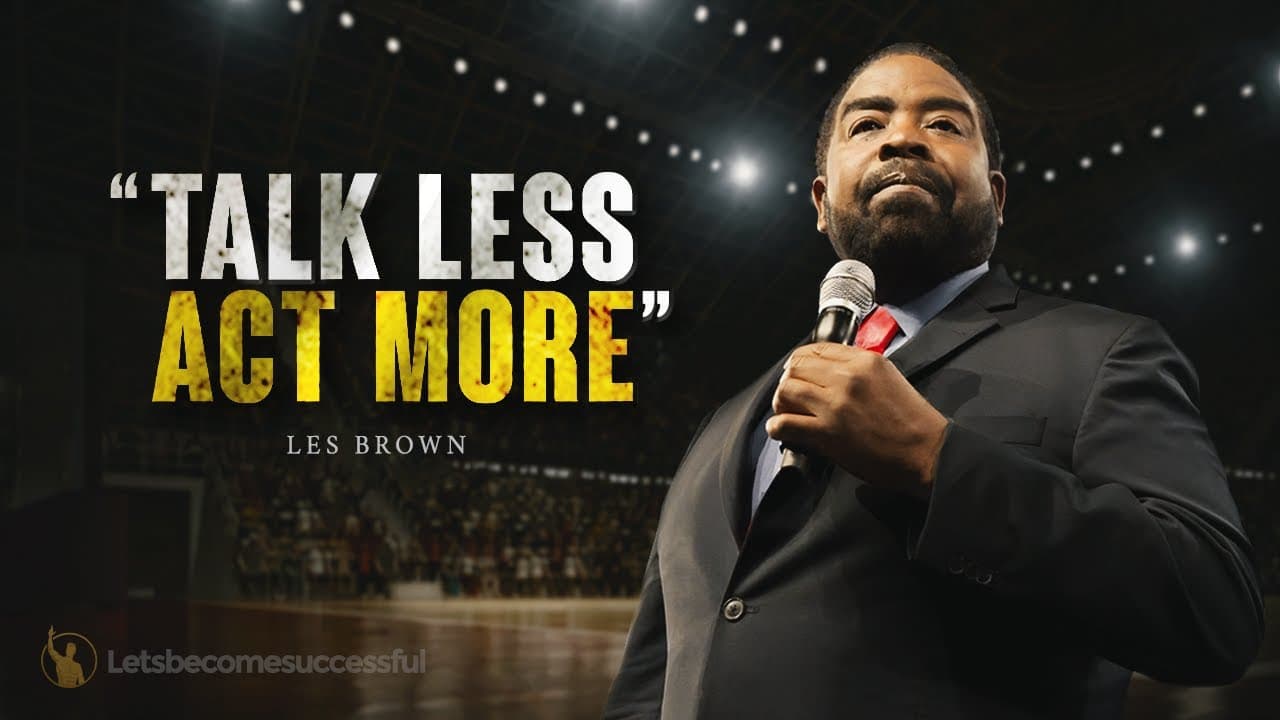
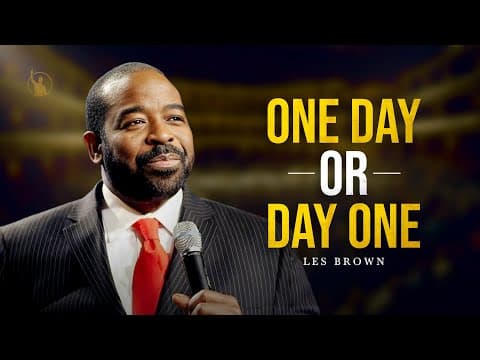
- • Manageable action strengthens willpower by making consistency possible. Les Brown began with ten sit-ups and ten push-ups before progressing to fifty, showing that a doable starting point can establish discipline and provide a foundation for gradually expanding effort.
- • Financial discipline can grow through gradual commitments and observation. Les Brown began by saving five percent of his money, increased the amount to ten and then fifteen percent, kept a spending log, and eventually disciplined himself to live on seventy-five percent of his income.
- • Contingency plans preserve commitment when unexpected variables appear. Instead of stopping after something goes wrong, a committed person can challenge assumptions, ask what they would do if they knew the answer, experiment with possibilities, and discover greater creativity and resourcefulness.
Install to Summarize YouTube Videos and Get Transcripts
Explore YouTube Video Summarizer or Get YouTube Transcript Extractor
Questions & Answers
Q: How can I keep commitments to myself?
Make the commitment a priority, keep it visible, and choose one action that stretches you while remaining doable. Start with manageable segments so repeated completion strengthens your will. Ask supportive friends to hold you accountable, and create contingency plans for obstacles you cannot control. When difficulties arise, challenge yourself to imagine alternatives and continue experimenting instead of stopping.
Q: Why does keeping commitments build self-confidence?
Keeping a commitment gives you direct evidence that your word can be trusted. Each completed promise strengthens your will, self-esteem, self-image, and faith in yourself. Repeated follow-through can make you feel stronger and more powerful because you have demonstrated that discipline and action, rather than convenience or temporary discomfort, determine whether you complete what you decided to do.
Q: What happens when you repeatedly break commitments?
Repeatedly breaking commitments depletes self-esteem, erodes self-image, and weakens faith in your own ability to follow through. It also affects relationships because people begin to recognize that they cannot depend on you or rely on your word. Over time, this behavior establishes a reputation for unreliability and limits the results your promises could have produced.
Q: Why is saying "I will try" different from committing?
Saying "I will try" can serve as an escape clause that makes failure easier to excuse. It may also function as a polite refusal when someone lacks the courage to say no directly. Commitment removes that ambiguity. You either agree to do the action and accept responsibility for delivering, or you decline instead of making a promise you may not honor.
Q: How should I start building discipline for a difficult goal?
Begin with an action that challenges you but is still manageable. Les Brown used ten sit-ups and ten push-ups as a starting point because he knew he could complete them without becoming discouraged, then progressed to fifty. The activity of following through strengthens and fortifies commitment, allowing you to expand the difficulty after consistency has become established.
Q: How can accountability help me honor a commitment?
Accountability works best when supportive friends refuse to let you off the hook or accept less than your best. These people reinforce the new behavior and state of mind you are trying to develop. Their involvement adds an external reminder of your promise, while your own repeated action remains responsible for strengthening the will and producing different results.
Q: Why do contingency plans matter when pursuing goals?
Contingency plans prepare you for variables that were not expected or cannot be controlled. Without another option, many people stop as soon as something goes wrong. A backup plan keeps the commitment active and encourages creativity. Asking what you would do if you already knew the answer can activate new possibilities, experimentation, imagination, and previously unrecognized resourcefulness.
Q: What does commitment look like in business and work?
Commitment in business means treating the intended result as important enough to continue through rejection, discomfort, and disappointment. Carol Hatfield sold her car and traveled by bicycle and later by motor scooter while building her health food business. Les Brown kept knocking on doors late at night because he had set a minimum number of television sales needed to support his mother.
Summary & Key Takeaways
-
Commitment means deciding to deliver without treating difficulty, inconvenience, or bad conditions as acceptable excuses. Carol Hatfield demonstrated this attitude by selling her car, riding a bicycle and later a motor scooter, and persisting until her small health food storefront grew into three successful stores.
-
Failing to keep promises depletes self-esteem, erodes self-image, weakens personal faith, and damages relationships because others learn that they cannot rely on your word. Honoring commitments has the opposite effect, building strength and confidence through repeated evidence that you will do what you said you would do.
-
Commitments become easier to maintain when they are priorities, divided into manageable but challenging actions, supported by accountable friends, and protected by contingency plans. Obstacles should trigger creativity rather than surrender. Continued action exercises the will, reveals hidden resourcefulness, and expands what a person believes they can accomplish.
Read in Other Languages (beta)
Share This Summary 📚
Summarize YouTube Videos and Get Video Transcripts with 1-Click
Try YouTube Summary with ChatGPT & Claude or YouTube Transcript Generator
Explore More Summaries from Let's Become Successful 📚


Summarize YouTube Videos and Get Video Transcripts with 1-Click
Try YouTube Summary with ChatGPT & Claude or YouTube Transcript Generator