Which Cover Songs Became Bigger Than the Originals?
TL;DR
Cover songs can eclipse their sources by changing the arrangement, matching a new era, or reaching a much larger audience. Examples include Disturbed’s symphonic “The Sound of Silence,” UB40’s reggae “Red Red Wine,” Joe Cocker’s soulful Beatles reinterpretation, and Santana’s reworked “Black Magic Woman,” while commercial success and lasting recognition distinguish these versions from the originals.
Transcript
soft. Welcome to Watch Mojo and today we're counting down our picks for covers of songs that are in one way or another more recognizable than the originals. Number 30, The Sound of Silence. Original Simon and Garfuncle cover Disturbed. [Applause] Before December of 2015, alt metal band Disturbed and ' 60s icons Paul Simon and Art Garfuncle are the ... Read More
Key Insights
- Disturbed’s “The Sound of Silence” became an unexpected viral success through a symphonic alt-metal arrangement. The cover accumulated more than 1 billion YouTube views, while its 2016 performance on Conan approached 160 million views and received praise from songwriter Paul Simon.
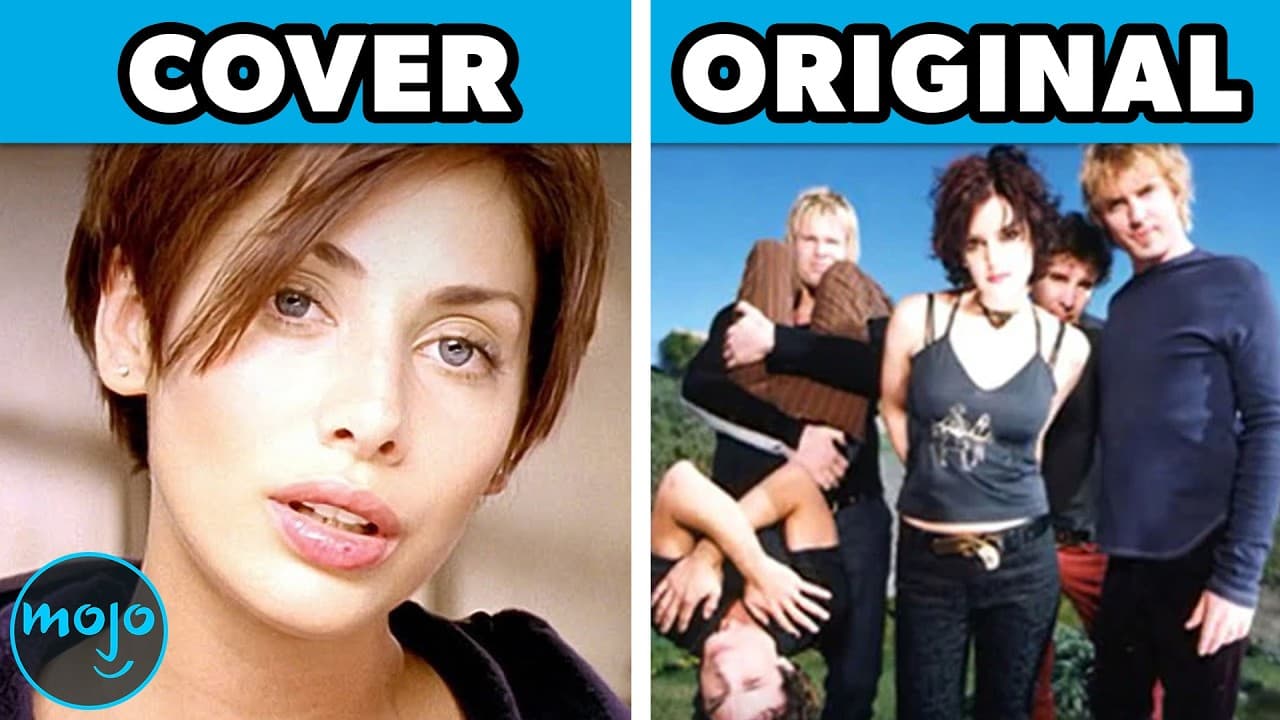
- Natalie Imbruglia’s “Torn” transformed a little-known alternative rock composition into a global pop hit. After earlier Danish-language and Ednaswap recordings, her version reached number one in several countries and earned a Grammy nomination for best female pop vocal performance.
- The Clash’s “I Fought the Law” became the dominant recording after the song’s longer journey through popular music. The Crickets recorded it in 1959, the Bobby Fuller Four charted with it in 1965, and the Clash released its punk interpretation in 1979.
- UB40’s “Red Red Wine” became a sleeper hit through a reggae arrangement inspired by Tony Tribe’s recording. The band did not initially realize Neil Diamond wrote the song, and Diamond later embraced their interpretation by performing its arrangement during his own concerts.
- The Bangles’ “A Hazy Shade of Winter” reworked a Simon and Garfunkel deep cut as a forceful, distorted rock track. Produced by Rick Rubin for the Less Than Zero soundtrack, the cover began after Susanna Hoffs discovered the energetic original and brought it to rehearsal.
- Santana’s “Black Magic Woman” reshaped a song written and recorded by Fleetwood Mac founder Peter Green. Santana’s version also incorporated elements of Gábor Szabó’s “Gypsy Queen,” reached the Billboard Hot 100 top five, and remained on that chart for 13 weeks.
- Joe Cocker’s “With a Little Help from My Friends” converted the Beatles’ breezy song into an intense blues and soul performance. Cocker reportedly drew inspiration from Aretha Franklin and Ray Charles, while co-writer Paul McCartney praised the transformation into a soul anthem.
- Luke Combs’s “Fast Car” succeeded without attempting to radically reinvent Tracy Chapman’s composition. His country cover reached number two on the Billboard Hot 100, surpassing the original recording’s chart position, and Chapman later performed the song with him at the 66th Grammy Awards.
Install to Summarize YouTube Videos and Get Transcripts
Explore YouTube Video Summarizer or Get YouTube Transcript Extractor
Questions & Answers
Q: How can a cover song become more popular than the original?
A cover can surpass its source by presenting the composition in a style that connects with a different generation or audience. The countdown shows this through symphonic metal, punk, reggae, new wave, country, and soul arrangements. Chart success, viral viewing, soundtrack placement, distinctive vocals, and memorable production can make the later recording more recognizable even when the original remains respected.
Q: Why did Disturbed’s cover of The Sound of Silence become so popular?
Disturbed recast Simon and Garfunkel’s folk-rock classic as a powerful symphonic performance, creating an unexpected meeting between alt-metal and 1960s songwriting. The recording became a viral hit with more than 1 billion YouTube views, and a 2016 Conan performance approached 160 million views. Paul Simon also contacted singer David Draiman to praise that televised performance.
Q: Was Natalie Imbruglia’s Torn originally her own song?
No. “Torn” was written by Ednaswap members Scott Cutler and Anne Preven with producer Phil Thornalley. It first appeared as “Brændt,” a Danish-language version performed by Lis Sørensen, before Ednaswap released its recording. Natalie Imbruglia then covered it for Left of the Middle, producing a global hit that topped charts in several countries and received a Grammy nomination.
Q: Who originally recorded I Fought the Law before the Clash?
The Crickets, a rock band formed by Buddy Holly, recorded “I Fought the Law” in 1959 after Sonny Curtis wrote it. That release did not become a major hit. The Bobby Fuller Four recorded a successful version in 1965 that reached the Billboard Hot 100 and later entered the Grammy Hall of Fame. The Clash followed with its widely recognized punk cover in 1979.
Q: Why is UB40’s Red Red Wine better known than Neil Diamond’s version?
Neil Diamond’s original was only a minor success, reaching number 62 on the Billboard Hot 100 in 1967. UB40 recorded a reggae interpretation for the 1983 covers album Labour of Love, drawing from Tony Tribe’s version without initially realizing Diamond wrote the song. A 1988 reissue became a sleeper hit, and Diamond later performed UB40’s arrangement live.
Q: How did Joe Cocker change With a Little Help from My Friends?
Joe Cocker gave the Beatles song a complete stylistic overhaul for his 1968 debut album. Instead of preserving the original’s breezy character, he delivered an intense, soul-bearing blues performance reportedly influenced by Aretha Franklin and Ray Charles. Paul McCartney, who co-wrote the song with John Lennon, praised Cocker for transforming it into a soul anthem.
Q: What made Santana’s Black Magic Woman different from Fleetwood Mac’s original?
Santana significantly reworked “Black Magic Woman,” which belonged to Fleetwood Mac founder, singer, and guitarist Peter Green. The new arrangement also integrated elements of Gábor Szabó’s “Gypsy Queen,” giving the recording a broader musical identity. Released as the first single from Santana’s second album, Abraxas, it reached the Billboard Hot 100 top five and charted for 13 weeks.
Q: Did Luke Combs reinvent Tracy Chapman’s Fast Car?
Luke Combs did not attempt to outdo or radically reconstruct Tracy Chapman’s “Fast Car.” His country recording remained close enough to the composition to avoid feeling like a wholly different song, yet it achieved its own identity and reached number two on the Billboard Hot 100, surpassing Chapman’s original chart position. Chapman later performed it with Combs at the 66th Grammy Awards.
Summary & Key Takeaways
-
The countdown identifies cover recordings that became more recognizable or commercially prominent than their originals. Its examples cross folk, rock, pop, punk, reggae, soul, country, and new wave, showing how performers such as Disturbed, the Clash, UB40, Santana, Joe Cocker, and Soft Cell introduced older compositions to different audiences.
-
Several covers succeeded because they substantially changed the source material. Disturbed gave “The Sound of Silence” a symphonic treatment, the Bangles turned “A Hazy Shade of Winter” into a distorted headbanger, Joe Cocker reshaped a Beatles song as a bluesy soul anthem, and Santana incorporated elements of “Gypsy Queen” into “Black Magic Woman.”
-
Other covers became definitive through timing, exposure, and chart performance. Tiffany adapted “I Think We’re Alone Now” to 1980s pop, Blondie brought reggae influences into new wave, and Luke Combs took “Fast Car” to number two on the Billboard Hot 100 while retaining respect for Tracy Chapman’s acclaimed original recording.
Read in Other Languages (beta)
Share This Summary 📚
Summarize YouTube Videos and Get Video Transcripts with 1-Click
Try YouTube Summary with ChatGPT & Claude or YouTube Transcript Generator
Explore More Summaries from WatchMojo.com 📚



Summarize YouTube Videos and Get Video Transcripts with 1-Click
Try YouTube Summary with ChatGPT & Claude or YouTube Transcript Generator