Does Fast Charging Damage Your Smartphone Battery?
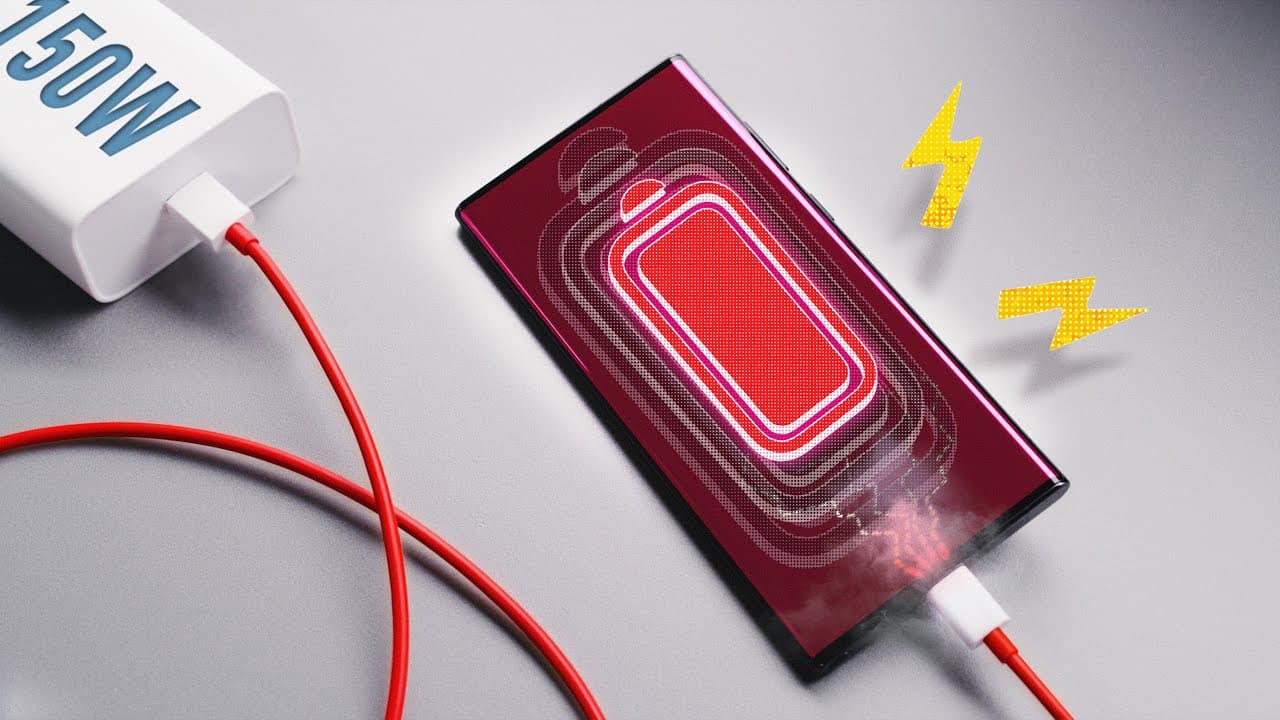
TL;DR
Fast charging does not inherently ruin smartphone batteries. While faster charging can generate excess heat, modern battery management technologies and improved cooling systems help maintain battery health over time. Manufacturers aim for batteries to retain at least 80% of their capacity after 800 charge cycles, demonstrating that fast charging can be safe with proper design.
Transcript
okay so it seems like every few months a new company someone comes out with the new fastest ever charging smartphone like years ago the flagship iphone was charging at five watts and that was fairly standard it would take about two and a half hours to charge the phone from zero to a hundred then when the pixel one came out that was super fast charg... Read More
Key Insights
- 🈂️ Fast charging technology has evolved significantly, with smartphones now achieving charging speeds of 120 watts or more.
- 🥵 Heat generation is a concern with fast charging, as excess heat can lead to battery degradation.
- 🥵 Smartphone companies are actively addressing heat generation by implementing power management in charging bricks, parallel charging, and improved cooling hardware.
Install to Summarize YouTube Videos and Get Transcripts
Explore YouTube Video Summarizer or Get YouTube Transcript Extractor
Questions & Answers
Q: Does fast charging technology ruin smartphone batteries?
While fast charging can generate additional heat, smartphone companies have been working to mitigate this issue. New advancements, such as power management in the charging brick and parallel charging, aim to minimize heat generation and prevent battery degradation.
Q: What is the industry standard for battery health after a certain number of charge cycles?
The generally accepted target is 80% battery health after 800 charge cycles, which roughly translates to two years of daily charging. Some smartphone companies, like Xiaomi and Apple, claim that their fast charging technologies can maintain this battery health standard.
Q: Are there trade-offs associated with fast charging?
Yes, there are trade-offs. Fast charging technologies may require larger power bricks, slightly smaller overall battery capacity, or additional cooling hardware on the phone. However, companies are actively working to improve these aspects while delivering faster charging speeds.
Q: Can I take steps to maintain battery health while using fast charging?
Smartphone manufacturers have implemented software features and hardware sensors to regulate charging and temperature. Additionally, users can avoid exposing their phones to excessive heat and take advantage of battery health options in the phone's software settings.
Summary & Key Takeaways
-
Fast charging technology has evolved rapidly over the years, with smartphones now capable of charging from zero to 100% in a matter of minutes.
-
Lithium-ion or lithium polymer batteries are commonly used in smartphones, and they rely on the flow of lithium ions between positive and negative sides through an electrolyte solution to store and release energy.
-
Fast charging can generate excess heat, which can potentially degrade the battery over time.
Read in Other Languages (beta)
Share This Summary 📚
Summarize YouTube Videos and Get Video Transcripts with 1-Click
Try YouTube Summary with ChatGPT & Claude or YouTube Transcript Generator
Explore More Summaries from Marques Brownlee 📚






Summarize YouTube Videos and Get Video Transcripts with 1-Click
Try YouTube Summary with ChatGPT & Claude or YouTube Transcript Generator