How Sewers Work (feat. Fake Poop)
TL;DR
Sewers are crucial for public health, carrying waste safely underground.
Transcript
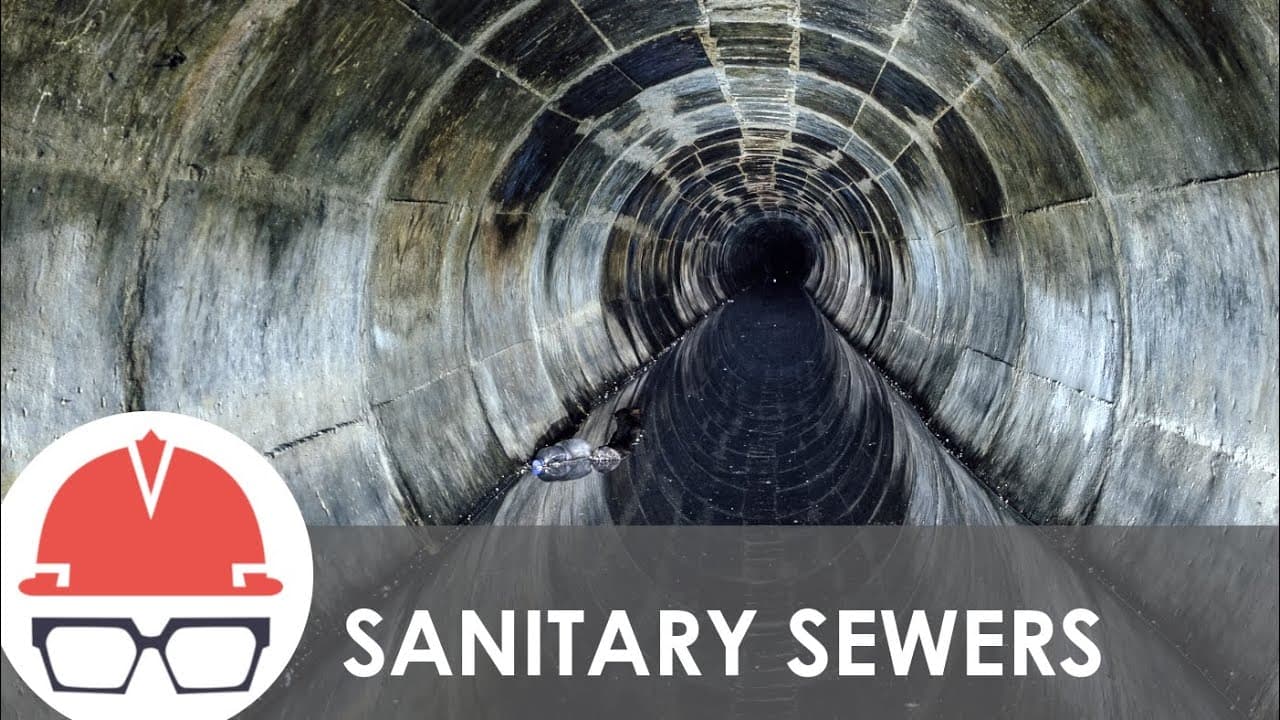
A sewage collection system is not only a modern convenience but one also of the most critical pillars of public health in an urban area. Humans are kind of gross. We collectively create a constant stream of waste that threatens city-dwellers with plague and pestilence unless it is safely carried away. Sewers convert that figurative stream into ... Read More
Key Insights
- Sewage systems are essential for urban public health, preventing exposure to waste-related diseases by safely transporting waste underground.
- Designing sewage lines is complex, involving considerations for future city growth and integration with other utilities.
- Inflow and infiltration of stormwater into sewers can overwhelm systems, necessitating careful design to manage capacity and prevent overflows.
- Gravity is a primary factor in sewer design, with engineers adjusting pipe size and slope to maintain optimal flow velocity and prevent blockages.
- Inverted siphons help sewers cross natural channels but require careful management to prevent sediment buildup due to reduced flow velocity.
- Unregulated substances like grease and 'flushable' wipes can cause blockages, highlighting the need for public awareness and proper waste disposal practices.
- Sewer design must balance slope to avoid pipes being too shallow or deep, impacting construction costs and maintenance.
- Synthetic human waste is used in research to simulate real conditions, aiding in the development of more effective sewage systems.
Install to Summarize YouTube Videos and Get Transcripts
Explore YouTube Video Summarizer or Get YouTube Transcript Extractor
Questions & Answers
Q: Why are sewage systems important for urban areas?
Sewage systems are vital for urban areas as they prevent the spread of waste-related diseases by safely transporting human waste away from public spaces. Without these systems, cities would face significant health risks from exposure to waste, leading to potential outbreaks of diseases and environmental contamination.
Q: What are the main challenges in designing sewage systems?
Designing sewage systems involves challenges such as predicting future city growth, integrating with existing utilities, and managing inflow and infiltration of stormwater. Engineers must ensure systems have the capacity to handle both current and future waste volumes, while also preventing stormwater from overwhelming the system during heavy rains.
Q: How does gravity influence sewer system design?
Gravity is a crucial factor in sewer design, as it naturally moves waste downhill without requiring energy. Engineers adjust pipe size and slope to maintain optimal flow velocity, preventing blockages and ensuring efficient waste transport. This reliance on gravity helps reduce operational costs but requires careful planning to manage the one-directional flow.
Q: What is an inverted siphon in sewage systems?
An inverted siphon is a structure used in sewage systems to allow pipes to dip below obstacles like rivers or creeks and then rise again. This design helps maintain the hydraulic grade line while keeping the flow contained underground. However, it poses challenges like reduced flow velocity, which can lead to sediment buildup and requires careful maintenance.
Q: What issues arise from flushing 'flushable' wipes?
'Flushable' wipes pose significant issues for sewer systems as they do not break down like toilet paper, leading to blockages. When combined with substances like grease, they form 'fatbergs,' which are difficult to remove and can cause major disruptions. Public awareness and proper labeling are crucial to mitigate these problems.
Q: Why is slope important in sewer pipe design?
Slope is critical in sewer pipe design to ensure waste flows at a velocity that prevents sediment buildup and blockages. A slope that is too shallow can lead to slow flow and clogs, while a slope that is too steep can increase construction costs and make maintenance more challenging. Engineers must balance these factors to optimize system performance.
Q: How do engineers simulate human waste for research?
Engineers use synthetic human waste in research to simulate real conditions without the health risks. Common materials include miso paste and polymer slime, which mimic the physical properties of waste. This allows researchers to test and improve sewage system designs, ensuring they can effectively handle real waste under various conditions.
Q: What role does public awareness play in maintaining sewer systems?
Public awareness is crucial in maintaining sewer systems as improper disposal of waste like grease and 'flushable' wipes can cause blockages and system failures. Educating the public on what can and cannot be flushed helps prevent these issues, reducing maintenance costs and ensuring the efficient operation of the sewage infrastructure.
Summary & Key Takeaways
-
Sewage systems are critical for urban health, converting waste into a manageable flow underground. Designing these systems involves complex considerations including future city growth and integration with existing infrastructure.
-
Gravity plays a key role in sewer design, with engineers adjusting pipe size and slope to ensure effective waste flow. Inflow and infiltration from stormwater are major challenges that can overwhelm systems if not properly managed.
-
Public awareness is needed to prevent blockages from substances like grease and 'flushable' wipes. Sewer systems are carefully designed to balance slope and depth, ensuring efficient waste transport while minimizing construction and maintenance costs.
Read in Other Languages (beta)
Share This Summary 📚
Summarize YouTube Videos and Get Video Transcripts with 1-Click
Try YouTube Summary with ChatGPT & Claude or YouTube Transcript Generator
Explore More Summaries from Practical Engineering 📚





Summarize YouTube Videos and Get Video Transcripts with 1-Click
Try YouTube Summary with ChatGPT & Claude or YouTube Transcript Generator