How did Jerry Seinfeld build a long lasting comedy career
TL;DR
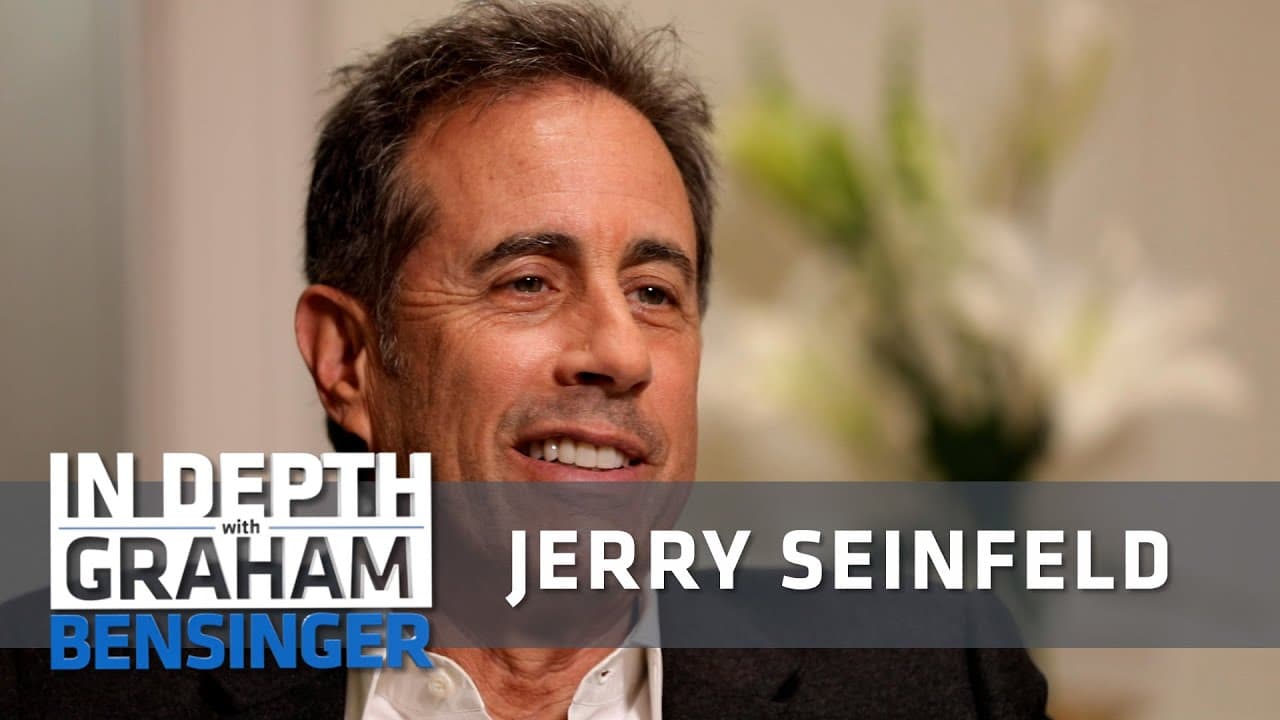
Seinfeld credits mastering the structure of jokes, learning from early failures, and staying relentlessly focused on stand up as the core. He describes the fear and discipline of performing on stage, the influence of mentors like Jackie Mason, and the relentless work that turned initial doubts into a durable career in comedy and film.
Transcript
I wanted to take you back to kind of your earliest comedic days if if that's okay so how about the most memorable of those and why well uh there was a lot of drawing of cartoons I had another friend who we would draw cartoons and we would uh you know compare them and and critique them um I would love to have been a cartoonist um I like it's it's si... Read More
Key Insights
- Seinfeld is influenced by early exposure to joke structures and spends significant time analyzing why jokes work.
- The fear of live performance is a central hurdle that he overcomes through preparation and persistence.
- Mentors and peers, such as Jackie Mason, provide validation that boosts his confidence and career trajectory.
- Early life experiences and a tough upbringing inform his work ethic and sense of humor.
- Seinfeld treats stand up as a calling that requires constant refinement and willingness to push boundaries.
- The process of moving from small clubs to television requires patience and strategic decisions rather than instant fame.
- Exercise and meditation later feature in his routine as tools for mental clarity and stability.
- A proactive approach to opportunities, including phone calls that lead to projects like Unfrosted, drives his career forward.
Install to Summarize YouTube Videos and Get Transcripts
Explore YouTube Video Summarizer or Get YouTube Transcript Extractor
Questions & Answers
Q: A real search query question about the video, such as 'How did Jerry Seinfeld start his career?'
Jerry Seinfeld explains that his career began with a fascination for the structure of jokes, writing down lines he liked, and studying why certain jokes worked. He emphasizes early experimentation, performing in small clubs, and learning to create a mood in the room. This foundation, plus encouragement from peers and mentors, helped him persist through the initial fear of performing live and steadily build a professional path.
Q: What role did Jackie Mason play in Seinfeld’s career?
Jackie Mason played a crucial role by offering direct encouragement to a young Seinfeld, telling him he would be successful in a way that made him feel both seen and motivated. This moment provided a psychological boost during a formative period, reinforcing the belief that his pursuit could become a real career and sustaining him through months and years of doubt.
Q: How did Seinfeld describe his first on stage experience at Catch a Rising Star?
Seinfeld recalls his first on stage experience as a formative failure that produced a complete blank. He describes the moment as terrifying, with dead silence and a shaky voice, highlighting how hard it is to perform when the audience is not ready. This memory underscores the importance of preparation and resilience in turning initial setbacks into growth.
Q: Why was the fear of performing on The Tonight Show significant for Seinfeld?
The fear of performing on The Tonight Show was significant because the outcome could dramatically alter his career. He compares the moment to standing at the top of a ski slope with the next 90 seconds potentially changing his life. The stakes were high, and the emotional intensity of that moment shaped his approach to risk, timing, and performance.
Q: What does Seinfeld say about his parents and upbringing?
Seinfeld discusses a complex family background with parents who were loving but not outwardly expressive due to the era. He describes a tough upbringing, with instances of neglect that he reframes as a form of care that shaped his independence. This narrative explains his preference for self reliance and his drive to master his craft rather than rely on external validation.
Q: How did Seinfeld view his early life as a model for his work ethic?
Seinfeld views his early life as a model for a relentless work ethic, highlighting a craving for difficulty and a willingness to push boundaries. He indicates that this drive helped him refine his craft, choose challenging projects, and maintain focus when the path was uncertain. His mindset emphasizes constant improvement and the ability to adapt to new opportunities.
Q: What significance does mentorship have in Seinfeld’s story according to the transcript?
Mentorship appears as a catalyst in Seinfeld’s story, providing validation and a sense of possibility at pivotal moments. The encouragement from Mason and the example of peers who observed his potential helped him believe in his own abilities. This guidance complemented his self directed efforts and contributed to his persistence in the face of early obstacles.
Q: How does Seinfeld describe the transition from stand up to other projects like Unfrosted?
Seinfeld describes a proactive approach to career development, including maintaining a strong stand up foundation while leveraging opportunities in film. He mentions phone calls that led to creating Unfrosted, illustrating how ongoing performance work combined with strategic outreach can expand a comedian’s portfolio. This balance between live performance and behind the scenes work characterizes his durable career strategy.
Summary & Key Takeaways
-
Seinfeld describes his early days of testing material, writing down jokes, and learning the structural elements that make a joke work.
-
He recalls the fear of performing on stage for the first time, the long time before his big opportunities, and the decision to treat comedy as a profession.
-
He credits mentorship, family background, and later opportunities like Unfrosted with shaping his direction and resilience in the industry.
Read in Other Languages (beta)
Share This Summary 📚
Summarize YouTube Videos and Get Video Transcripts with 1-Click
Try YouTube Summary with ChatGPT & Claude or YouTube Transcript Generator
Explore More Summaries from Graham Bensinger 📚
![5 Months with Logan Paul [Full Episode] thumbnail](/_next/image?url=https%3A%2F%2Fi.ytimg.com%2Fvi%2FWUrQrwgiZ_Y%2Fhqdefault.jpg&w=750&q=75)

Summarize YouTube Videos and Get Video Transcripts with 1-Click
Try YouTube Summary with ChatGPT & Claude or YouTube Transcript Generator