What Is the Chimp-Brain Model and How Does It Work?
TL;DR
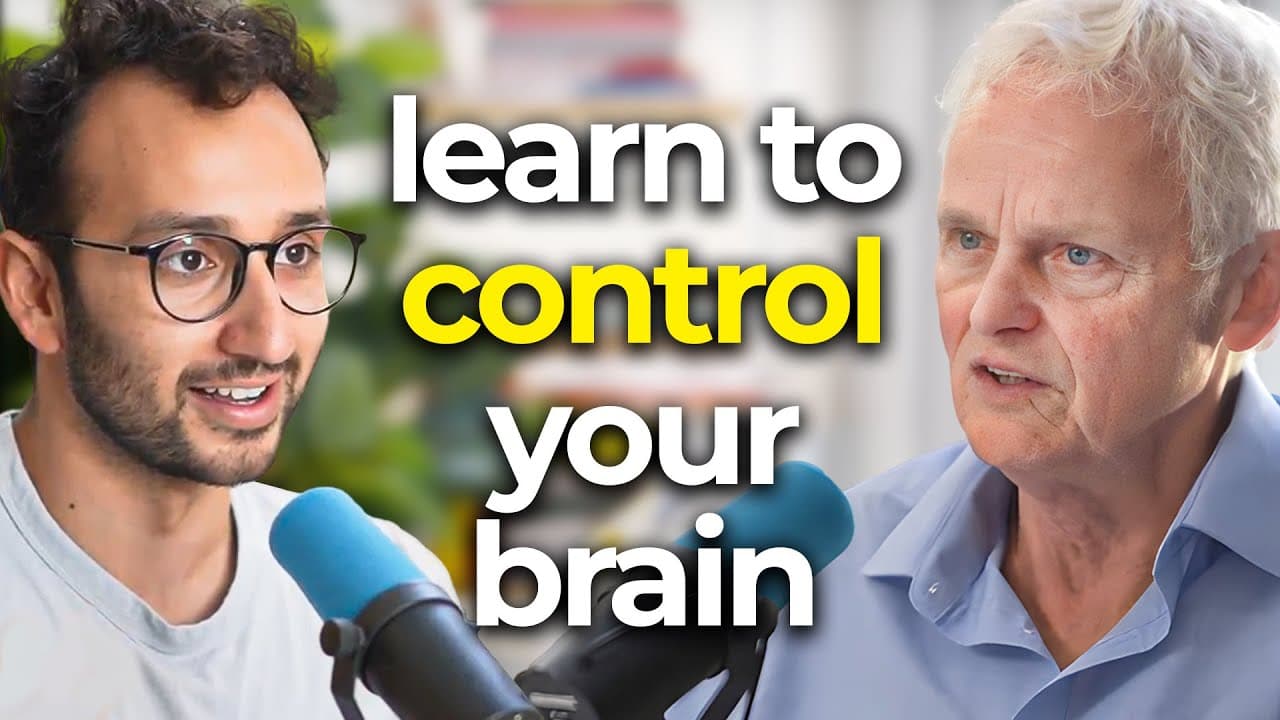
The chimp-brain model posits that our minds operate through three components: the emotional chimp, the rational human, and the computer that processes experiences. Understanding these elements helps individuals identify negative thought patterns, like imposter syndrome, and encourages the integration of emotional and rational thinking for improved mental well-being.
Transcript
whatever life's throwing at you I ask people look in the mirror and say did I live by my values today am I proud of the person that sat in front of me the end of the day go out and just look at the sky and be happy you know don't get so heavy that you're so analytical you strangle yourself that's counterproductive in this episode of Deep dive I'm j... Read More
Key Insights
- 🧠 The chimp-brain model distinguishes between emotional (chimp) and rational (human) brain functions, guiding individuals in understanding and managing their mental processes.
- 🤳 Fridge door syndrome exemplifies deeply ingrained beliefs (Goblins), while Gremlins signify negative beliefs that can be identified, challenged, and changed with self-awareness and values-based introspection.
- 🤔 Differentiating between fixed beliefs (Goblins) and changeable beliefs (Gremlins) empowers individuals to address and replace negative thought patterns, fostering personal growth and positive well-being.
- 🤳 Self-awareness, critical thinking, and values-based decision-making are essential tools for challenging and transforming negative beliefs, promoting resilience and self-acceptance.
Install to Summarize YouTube Videos and Get Transcripts
Explore YouTube Video Summarizer or Get YouTube Transcript Extractor
Questions & Answers
Q: How does the chimp-brain model help individuals overcome mental barriers and optimize performance?
The chimp-brain model differentiates between emotional (chimp) and rational (human) brain functions, aiding individuals in understanding their thought processes to overcome mental barriers and improve performance.
Q: What are some practical strategies for managing negative beliefs and behaviors (Gremlins) using the chimp-brain model?
By identifying and categorizing negative beliefs and behaviors as Gremlins, individuals can address and replace them with positive beliefs based on facts and logic, promoting mental well-being and growth.
Q: How can one distinguish between beliefs that are deeply ingrained (Goblins) and those that can be challenged and changed (Gremlins)?
Goblins represent deeply rooted beliefs influenced by past experiences, while Gremlins are negative beliefs that can be challenged and altered with self-awareness, critical thinking, and values-based introspection.
Q: How can therapists or supportive figures help individuals navigate and shift beliefs ingrained from childhood experiences?
Therapists can serve as substitute parent figures to challenge and shift deeply ingrained beliefs, fostering resilience and self-acceptance in individuals affected by negative childhood experiences.
Summary & Key Takeaways
-
Professor Steve Peters explains the chimp-brain model with emotional (chimp) and rational (human) brain functions, offering insights into managing mental barriers.
-
The Chimp Paradox promotes self-awareness to identify and address negative thought patterns like imposter syndrome or low self-esteem.
-
Learning to differentiate between the chimp (emotion) and human (reason) aspects of the mind fosters resilience and positive self-perception.
Read in Other Languages (beta)
Share This Summary 📚
Summarize YouTube Videos and Get Video Transcripts with 1-Click
Try YouTube Summary with ChatGPT & Claude or YouTube Transcript Generator