How is San Francisco coming back with AI and a new mayor
TL;DR
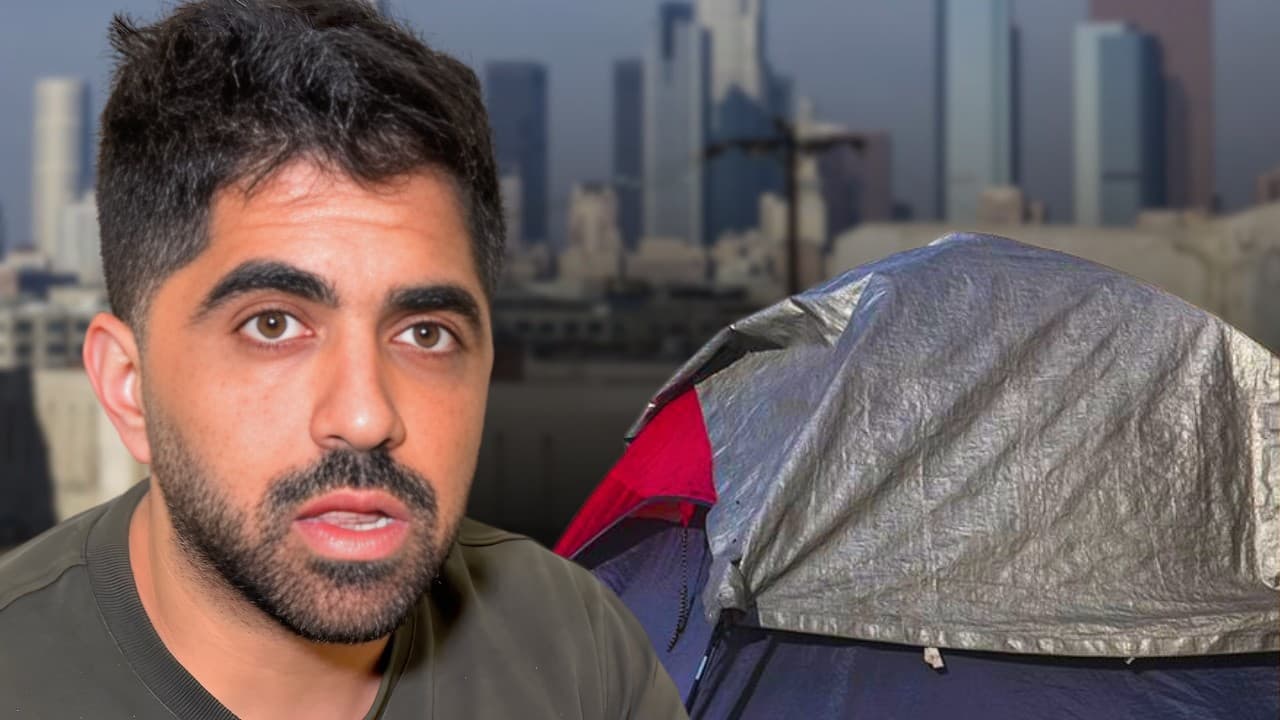
The city has seen crime fall to its lowest level since 1954, while AI companies have rapidly expanded, driving a surge in office activity. The comeback is uneven, with some districts improving and others still lagging, and the new mayor is pushing safety and revitalization as core priorities.
Transcript
I remember being on Market Street seeing so many places were totally empty. Now you look around and you still see a lot of them are empty. I also have to be honest with you. It smells like urine right now. San Francisco lost tens of thousands of residents. Crime could not be stopped. A third of its buildings sat empty. Elon Musk called it a fai... Read More
Key Insights
- San Francisco crime dropped to the lowest homicide level since 1954, signaling a notable safety improvement.
- AI firms have leased substantial space in Mission Bay, driving a large influx of capital and jobs.
- The AI boom is linked with a broader tech rebound that could reduce office vacancies by 2030 if trends continue.
- The new mayor, Daniel Lurie, took office in 2025 and is framed as central to the comeback effort.
- Office vacancies rose sharply after the pandemic but are now being filled by tech and AI tenants.
- Some downtown areas still feel dead with many storefronts empty, indicating uneven recovery.
- Retail and tourism hubs like the Ferry Building show strong activity, hinting at mixed urban revival.
- Work from home versus return to the office remains a core challenge affecting foot traffic and hours of operation.
Install to Summarize YouTube Videos and Get Transcripts
Explore YouTube Video Summarizer or Get YouTube Transcript Extractor
Questions & Answers
Q: What is driving San Francisco’s current comeback according to the video
The comeback is driven by two major factors that occurred almost simultaneously: a new mayor, Daniel Lurie, taking office in 2025, and a surge in AI sector growth that has seen large-scale leasing by AI firms, increasing office occupancy and investment. This dual momentum is cited as transforming the city’s downtown and job market, though some areas remain uneven in recovery.
Q: How has crime changed in San Francisco during the comeback
Crime figures cited in the video indicate a significant drop, with 2025 recording the lowest homicide rate in decades and a notable reduction in other crimes like car break-ins. The video connects these improvements to the city’s broader safety efforts and the urban revival, while acknowledging that perceptions of safety vary by neighborhood.
Q: What role does the Ferry Building play in the city’s recovery
The Ferry Building is highlighted as a success story within the comeback narrative, showing thriving retail activity and strong foot traffic. It is presented as a symbol of downtown vibrancy and a contrast to other areas that remain under lease or empty, illustrating uneven progress across the city.
Q: Why is AI considered pivotal to San Francisco’s revival
AI is considered pivotal because it has attracted hundreds of billions in venture capital and led to many leases across the city, potentially halving office vacancy by 2030 and creating tens of thousands of jobs. This tech-driven demand is framed as a counterweight to previous economic decline, positioning SF as a key AI hub.
Q: What criticisms or caveats about the comeback are mentioned
The video notes that the revival is not uniform; some blocks and neighborhoods still show empty storefronts and signs of struggle. It also raises questions about the long-term sustainability of relying on AI and tech booms, potential displacement, and whether the benefits reach working-class residents across the city.
Q: How did the pandemic affect San Francisco’s downtown and how is it changing now
The downtown experienced a severe decline during the pandemic with reduced foot traffic and office vacancies. The current changes show improvements in occupancy, retail activity, and nighttime vibrancy in areas like Union Square and the Ferry Building, suggesting a partial restoration of pre-pandemic urban life.
Q: What future projections are mentioned regarding SF’s office market
Projections mentioned include AI potentially reducing the city’s office vacancy rate by half by 2030, accompanied by tens of thousands of new jobs. However, these projections also imply a need for continued investment, policy support, and attention to neighborhoods that have not yet fully recovered.
Q: What is the video’s overall takeaway about San Francisco’s comeback
The overall takeaway is cautiously optimistic: San Francisco shows tangible signs of resurgence driven by a new mayor and AI-driven investment, with lower crime and higher economic activity, but progress is uneven, and some areas still struggle with vacancy and safety perceptions. The comeback appears real but not universal.
Summary & Key Takeaways
-
San Francisco shows clear signs of revival with lower crime, strong mayoral leadership, and growing AI investment reshaping downtowns. The data points to a selective recovery where some areas rebound while others remain in transition. The narrative emphasizes both optimism and ongoing challenges for working-class residents.
-
Investors and AI firms have crowded into Mission Bay and surrounding districts, signaling a shift in the city’s economic engine. The interview highlights that AI leases and tech growth could dramatically reduce office vacancies by 2030, creating thousands of new jobs but also raising questions about long-term sustainability for different neighborhoods.
-
Visitor traffic and retail activity are rebounding at key spots like the Ferry Building, suggesting a renewed urban vibrancy. Yet Market Street and other prime corners still show vacancy signs, underscoring the uneven nature of the recovery and the need for continued policy focus on downtown safety and livability.
Read in Other Languages (beta)
Share This Summary 📚
Summarize YouTube Videos and Get Video Transcripts with 1-Click
Try YouTube Summary with ChatGPT & Claude or YouTube Transcript Generator
Explore More Summaries from Uptin 📚

Summarize YouTube Videos and Get Video Transcripts with 1-Click
Try YouTube Summary with ChatGPT & Claude or YouTube Transcript Generator