How Do Bullying and Cyberbullying Affect Mental Health and Self-Esteem?
TL;DR
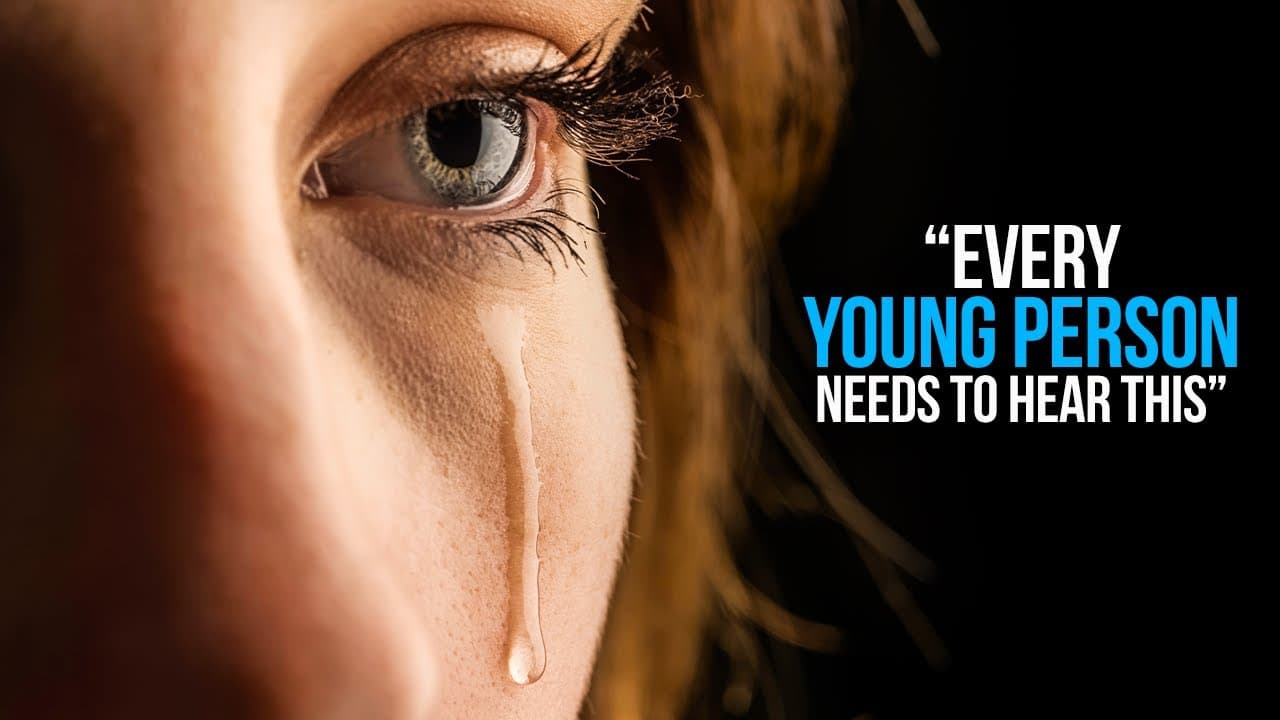
Bullying can cause deep self-loathing, isolation, and lasting mental health and self-esteem problems, while support and the ability to leave harmful environments can help. One speaker was homeschooled after severe middle-school harassment, and the video says 7 out of 10 young people experience cyberbullying before turning 18 years old. Read on for the stories, warning signs, and recommended responses.
Transcript
i was bullied horribly when i when i was a kid i was bullied so badly in middle school that my mom actually took me out of school and started homeschooling me just to because because the harassment got so severe there were so many moments of when i look back just night after night crying in my bedroom i remember looking in the back of my mirror and... Read More
Key Insights
- 🤳 Bullying can have severe emotional and psychological effects on individuals, causing self-loathing and questioning of self-worth.
- 💗 Cyberbullying is a growing concern and can cause long-term mental health and self-esteem problems.
- 💪 Having a strong reason why and surrounding oneself with supportive individuals can help overcome bullying and build resilience.
- 🧑 It is essential to seek help from trusted adults or helplines when experiencing bullying or witnessing it happening to others.
- 👨🏫 Encouraging empathy and understanding in schools and communities can help combat bullying and create a safer environment.
- ✊ Overcoming bullying requires the realization that one has the power to choose their environment and not be defined by the actions of bullies.
- 👋 Building resilience involves learning good communication skills and finding inner peace despite external circumstances.
Install to Summarize YouTube Videos and Get Transcripts
Explore YouTube Video Summarizer or Get YouTube Transcript Extractor
Questions & Answers
Q: How can bullying affect mental health and self-esteem?
Bullying can leave victims feeling broken, isolated, and deeply self-critical. One speaker recalls crying night after night and expressing self-loathing into a mirror from as young as 8 years old.
Q: Why was the speaker homeschooled during middle school?
The speaker says the harassment became so severe that her mother removed her from school. She then began homeschooling because of the bullying.
Q: Why did Daniel become a target for bullying?
Daniel struggled to find peers who shared his interests. He was interested in hunting and trapping rather than sports, and the lack of common interests made him a frequent target.
Q: How did the bullying against Daniel escalate?
It began with cruel names and progressed to physical and humiliating acts. Trash was thrown at him, he was punched in the stomach, forced to lick a bus window, and attacked from behind while walking to the buses.
Q: What advice does the video give to people facing bullies?
The advice is to stay focused on school, dreams, goals, and personal success instead of abandoning them to answer bullies. The speakers also emphasize walking away from unkind people when possible.
Q: How common does the video say cyberbullying is among young people?
The video states that 7 out of 10 young people will experience cyberbullying before turning 18 years old. It describes this scale as concerning because online environments can allow bullies to become more aggressive.
Q: What long-term effects can cyberbullying have?
Cyberbullying can cause long-term mental health and self-esteem problems. The video stresses that mental health matters and that asking for help should be normalized.
Q: What should someone do if they experience bullying or cyberbullying?
They should reach out to a trusted adult and try to resolve the issue. If speaking to someone in their life feels uncomfortable, the video recommends calling one of the hotlines shown on screen or listed in the description.
Summary & Key Takeaways
-
Definition: Cyberbullying allows a bully to act more aggressively online and can cause lasting mental health and self-esteem problems.
-
Number: 7 out of 10 young people will experience cyberbullying before turning 18 years old, according to the video.
-
When: At 8 years old, one speaker was already struggling with self-loathing thoughts about eating and discipline.
-
Step 1: Tell a trusted adult when bullying or cyberbullying affects you or someone you know.
-
Step 2: Try to solve the issue with support rather than facing the bullying alone.
-
Step 3: Call a hotline shown on screen or in the description if direct conversation feels too difficult.
-
Who: Daniel was a caring student who supported a neighbor with cancer and later helped the neighbor's wife.
-
Compare: Daniel preferred hunting and trapping while many peers preferred sports, leaving him without many shared interests.
-
When: Daniel's bullying began with cruel words and escalated to thrown trash, physical attacks, and forced humiliation.
-
Tool: Walking away gives the speaker a way to reject people who try to exploit or mistreat her.
-
Definition: Resilience means staying focused on school, dreams, goals, and success instead of leaving that path to answer bullies.
-
Who: The speakers urge victims and witnesses to normalize asking for mental health care, help, and support.
Read in Other Languages (beta)
Share This Summary 📚
Summarize YouTube Videos and Get Video Transcripts with 1-Click
Try YouTube Summary with ChatGPT & Claude or YouTube Transcript Generator
Explore More Summaries from Motivation2Study 📚






Summarize YouTube Videos and Get Video Transcripts with 1-Click
Try YouTube Summary with ChatGPT & Claude or YouTube Transcript Generator