How to Build a Champion Mindset for Winning
TL;DR
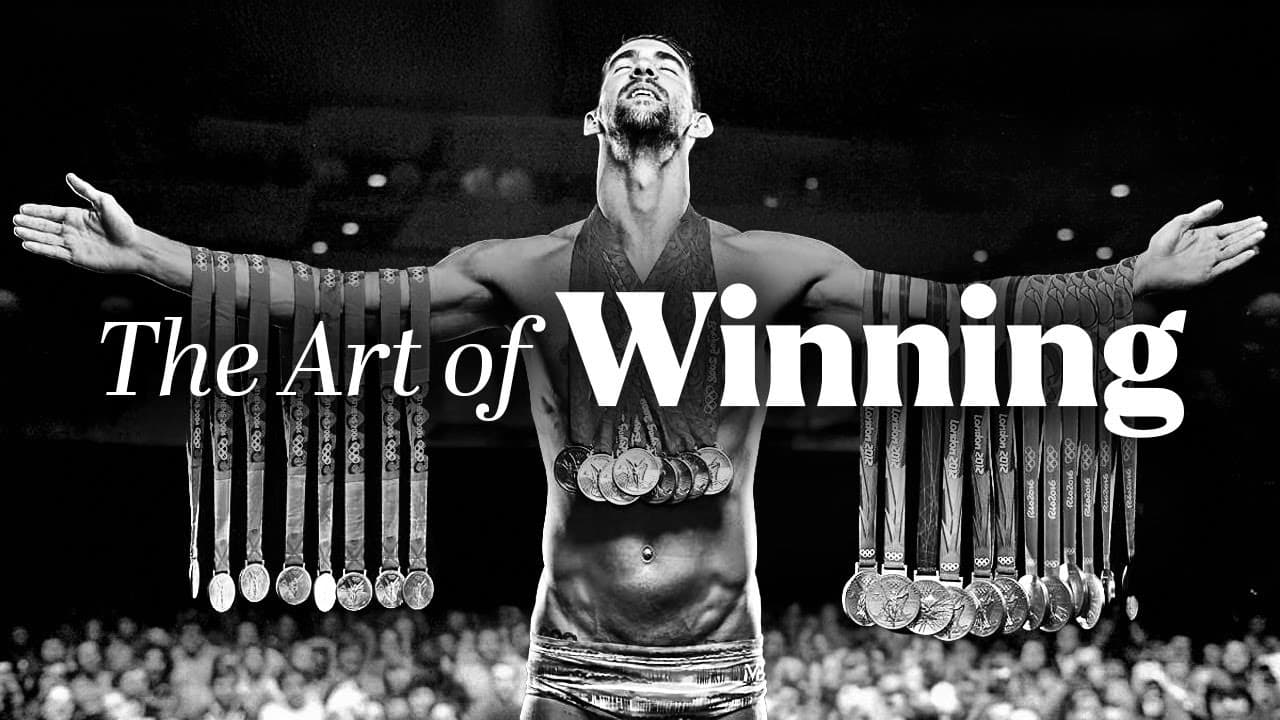
Winning comes from focusing on controllable actions, preparing repeatedly, and doing the work even when tired, sore, criticized, or uncertain. Deep self-belief makes sacrifice easier, while losses and mistakes provide lessons that improve future performance. Confidence grows when demanding situations repeat actions already practiced thousands of times.
Transcript
i went five straight years without missing a single day of workout 365 days a year Every single day I was in the water There are days you're not going to want to do it I mean everybody has those days But it's what you do on those days that help you move forward Winning is in all of us Everybody wants the end result but what you have to endure to wi... Read More
Key Insights
- Consistency is most valuable on difficult days because nearly everyone can compete when feeling healthy, happy, and excited. Continuing through fatigue, soreness, and low motivation develops the mental power that separates exceptional athletes from people who work only when conditions feel favorable.
- Winning is a result rather than a directly controllable goal. Athletes cannot control every event, emotion, or outcome, but they can control their focus, preparation, effort, self-talk, and response to adversity. Daily attention should therefore remain on actions that improve the probability of success.
- Confidence is built through repeated preparation rather than appearance alone. When an athlete has performed an action thousands of times, a pressured moment asks for familiar execution. That history of practice reduces fear because the person understands their abilities, limits, and comfortable choices.
- Self-belief is a practical force that supports demanding work. People are more willing to sacrifice, risk failure, and break barriers when they genuinely see themselves succeeding. Merely wishing for an outcome often produces partial effort, while deep conviction encourages fuller commitment.
- Stephen Curry's shooting standard reflected deliberate conditioning and refusal to accept careless completion. After a workout, he reportedly stayed until he made five free throws in a row without touching the rim. This routine trained precision, persistence, and the ability to move confidently to the next shot.
- Losses and mistakes are sources of improvement when competitors study them and keep moving. Serena Williams describes getting better after losses, while Michael Phelps says he learned from mistakes inside and outside the pool. Failure remains part of achievement rather than proof that continued effort is pointless.
- Coachability is a defining quality among leading performers in sports and business. The best athletes listen, absorb information, pay attention, and remain present. Hard work matters, but the way someone competes, carries themselves, responds to instruction, and notices details reveals the quality of their development.
- Progress is built through small victories and uncertain steps rather than a short, predictable path. A person may fall, get scraped, or discover that the next step is unstable, yet belief makes continued movement possible. Each controllable effort helps form someone capable of pursuing larger dreams.
Install to Summarize YouTube Videos and Get Transcripts
Explore YouTube Video Summarizer or Get YouTube Transcript Extractor
Questions & Answers
Q: How do athletes build a champion mindset?
Athletes build a champion mindset by developing deep self-belief, preparing consistently, listening to coaching, and continuing when they feel tired or sore. They focus on controllable actions instead of demanding control over every outcome. Small daily victories, constructive self-talk, careful attention to details, and lessons from mistakes gradually create the confidence and resilience required for demanding competition.
Q: Why is discipline more important on difficult days?
Discipline matters most on difficult days because competing while rested, happy, and excited is relatively accessible to everyone. Fatigue, soreness, frustration, and low motivation reveal whether preparation depends on feelings. Completing the required work under those conditions helps a person move forward, strengthens mental endurance, and prepares them to perform when real competition becomes uncomfortable.
Q: How does preparation create confidence under pressure?
Preparation creates confidence by making a pressured action familiar. When athletes repeat a skill thousands of times, they enter decisive moments knowing what they can do, what feels comfortable, and where their limits are. They may still feel nervous, but they are not being asked to perform an unfamiliar task. The moment becomes one more repetition of practiced behavior.
Q: Why should winning be treated as a result instead of a goal?
Winning should be treated as a result because no competitor can control every event that determines an outcome. A useful goal directs attention toward controllable factors, including effort, preparation, focus, self-talk, learning, and daily improvement. Concentrating on those factors reduces distracting thoughts and emotions while creating the conditions from which successful results are more likely to emerge.
Q: What is the difference between believing and wishing for success?
Believing in success supports full commitment because a person who genuinely expects progress has a reason to work hard, accept sacrifice, and risk failure. Wishing is weaker because someone may say they want to be number one while completing the work halfway. Deep belief does not prevent failure, but it makes sustained effort and recovery from setbacks easier.
Q: How should athletes respond to losses and mistakes?
Athletes should treat losses and mistakes as information for improvement rather than final judgments about their ability. Serena Williams says losses help her get better, although she prefers fewer of them, and Michael Phelps describes learning from mistakes inside and outside the pool. The productive response is to identify lessons, adjust future behavior, help others avoid similar errors, and continue.
Q: Why is coachability important for high performers?
Coachability is important because effort alone does not guarantee effective development. The strongest performers listen, absorb information, pay attention, remain present, and apply useful distinctions. Their mannerisms, competitive behavior, and response to instruction show whether they can turn feedback into progress. Careful listening helps athletes refine details that ordinary measures of arriving early or staying late may overlook.
Q: How can someone stay motivated through setbacks and uncertainty?
Someone can continue through setbacks by believing that another step exists, even when the path is unstable or invisible. They should focus on one controllable action, use self-talk that improves their state, and create small daily victories. Falling, criticism, frustration, and fear remain part of the process, but none must determine whether the next effort happens.
Summary & Key Takeaways
-
Winning requires more than wanting a successful outcome. It depends on enduring fatigue, setbacks, criticism, uncertainty, and repeated sacrifice. Champions continue working when motivation disappears, believe another step exists even after falling, and develop the mental strength to move through pain instead of using difficult conditions as an excuse.
-
Deep self-belief changes how people prepare and compete. Novak Djokovic, Serena Williams, and other athletes are presented as examples of competitors who could envision themselves succeeding before others agreed. That internal picture encouraged them to work fully, accept risks, recover from losses, and pursue standards that initially appeared beyond reach.
-
Preparation turns pressure into familiar execution. Repeating skills thousands of times creates confidence because athletes know what they can do when a decisive moment arrives. The strongest performers also remain coachable, listen carefully, absorb information, focus on details, manage their self-talk, and build toward larger ambitions through controllable daily victories.
Read in Other Languages (beta)
Share This Summary 📚
Summarize YouTube Videos and Get Video Transcripts with 1-Click
Try YouTube Summary with ChatGPT & Claude or YouTube Transcript Generator
Explore More Summaries from Motiversity 📚





Summarize YouTube Videos and Get Video Transcripts with 1-Click
Try YouTube Summary with ChatGPT & Claude or YouTube Transcript Generator