How to Recover From Chronic Back Pain Safely
TL;DR
Persistent back pain can improve by reducing fear, excessive muscular guarding, and avoidance while gradually restoring relaxed movement and valued activities. Most back pain is not linked to an injury, although protection can be appropriate after conditions such as a spinal fracture or major disc prolapse, so recovery should reflect the person’s specific pain story and circumstances.
Transcript
you have been studying and researching chronic pain for decades now okay you're a professor you are well respected all over the world for your expertise in muscular sceletal pain so at the start of this conversation I'm really interested if there was one thing that you could impart to the public about pain what would it be hope hope for change hope... Read More
Key Insights
- Chronic back pain is described as the leading cause of disability among health conditions worldwide, affecting work, physical activity, ordinary daily tasks, confidence, mood, and valued relationships because the back is central to nearly every form of human movement.
- Persistent back pain affects up to one in five people, while about 70 percent of people in developed countries experience lower back pain at some point. Most episodes improve, but persistent or recurrent pain creates the greatest long-term burden.
- Chronic back pain is pain lasting more than three months, and it frequently coexists with neck pain, headaches, migraines, gut pain, pelvic pain, and widespread body pain as part of a broader pain experience involving nervous-system sensitization.
- Pain is a whole-person experience that can push the body into protective mode. Fear and hypervigilance may increase nervous-system arousal, muscular tension, stiffness, breath-holding, guarded movement, activity avoidance, and loss of confidence in the body.
- Excessive protection can become a pain-maintaining mechanism when a person continuously braces the back, moves rigidly, or tries to maintain strict posture and core control. The resulting tension and exhaustion may create secondary pain rather than supporting recovery.
- Short-term guarding is appropriate in some situations, including a spinal fracture or a large disc prolapse pressing on a nerve. In those cases, protective behavior can limit movement while irritated or damaged tissue has time to settle and heal.
- Most back pain is not linked to an injury and may emerge during periods of stress, fatigue, physical inactivity, tension, or feeling run down. Treating every episode as evidence of structural damage can encourage unnecessary fear and overprotection.
- Recovery can begin by restoring hope, relaxing unnecessary muscle tension, breathing normally, moving the back with greater freedom, and gradually returning to meaningful activities. The central goal is not merely reducing pain, but rebuilding function, confidence, and participation in life.
Install to Summarize YouTube Videos and Get Transcripts
Explore YouTube Video Summarizer or Get YouTube Transcript Extractor
Questions & Answers
Q: How can someone recover from chronic back pain?
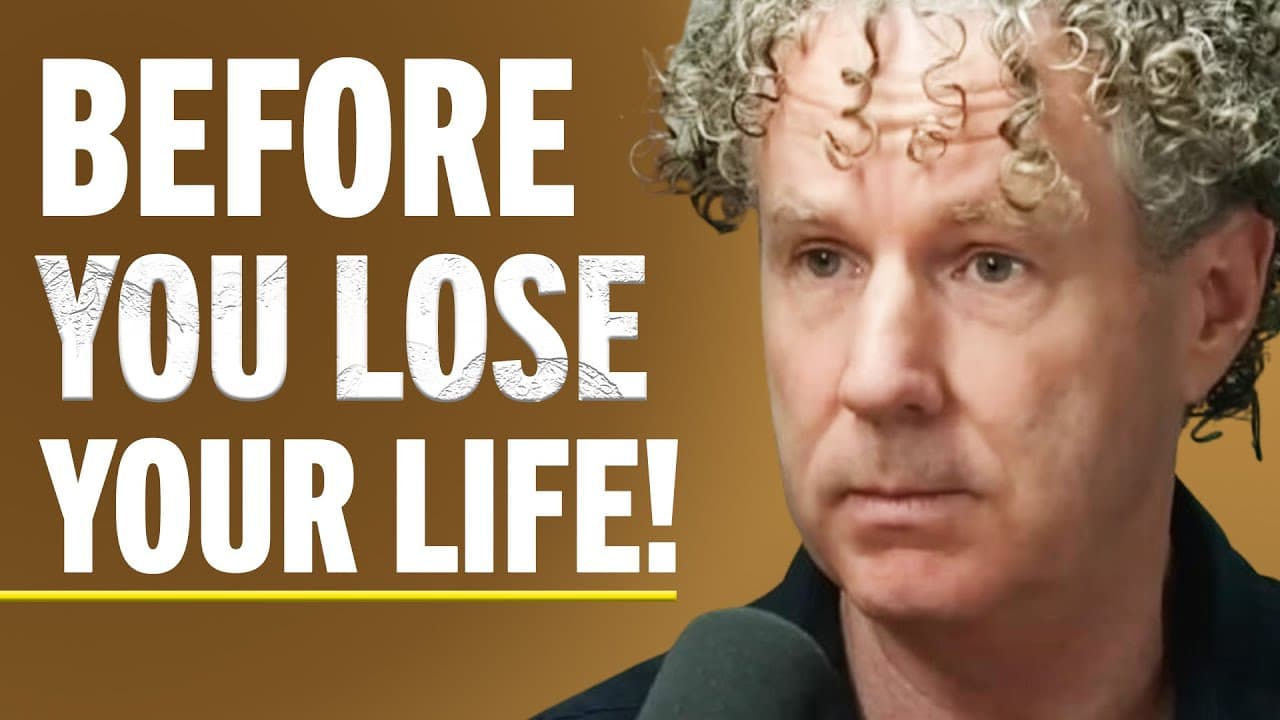
Recovery can involve reducing unnecessary muscular guarding, relaxing the body, breathing normally, restoring movement, and rebuilding confidence in everyday activities. Peter O'Sullivan describes recognizing that rigid posture, breath-holding, and constant protection were exhausting him and contributing to his pain. As he relaxed and allowed movement back into his spine, his condition began to change. The broader aim is to regain valued parts of life rather than simply endure symptoms.
Q: Why is chronic lower back pain so disabling?
The back is central to sitting, standing, bending, lifting, travel, work, exercise, and ordinary daily tasks. Unlike an injured ankle, which may sometimes be offloaded by relying on the other leg, a person has only one back and uses it across most activities. Persistent pain can therefore restrict independence, disrupt family responsibilities, reduce confidence, affect mood, and make people question whether even simple movements are safe.
Q: What is the protective cycle in chronic pain?
The protective cycle begins when pain or fear makes a person hypervigilant and prompts the body to tense or guard the painful area. The person may move more slowly and rigidly, hold their breath, brace their muscles, and avoid ordinary activities. These responses can increase nervous-system arousal and create secondary pain. As life becomes more restricted, fear and lost confidence can reinforce the same protective behaviors.
Q: When is guarding the back appropriate?
Guarding can be appropriate after a significant injury, such as a spinal fracture or a large disc prolapse pressing on a nerve. In those circumstances, the body’s protective response can discourage movement and give irritated or damaged tissue time to settle and heal. The problem arises when protection continues unnecessarily or when pain is not linked to an injury, because ongoing stiffness, tension, and avoidance may then contribute to persistent symptoms.
Q: Is most back pain caused by an injury?
Most back pain is not linked to an injury, according to the discussion. Back pain may emerge when a person is stressed, tired, run down, tense, less physically active, or experiencing several pressures at once. An injury can certainly produce pain and justify short-term protection, but assuming that every painful episode represents tissue damage may increase fear, guarding, stiffness, and avoidance of normal movement.
Q: How common is persistent back pain?
Population studies described in the conversation suggest that up to 20 percent of people, or one in five, experience persistent back pain. About 70 percent of people in developed countries are said to experience lower back pain at some point in life. Most cases improve, but the group whose pain becomes persistent or recurrent carries the greatest burden through reduced function, work capacity, activity, and quality of life.
Q: What conditions can coexist with chronic back pain?
Chronic back pain, defined here as pain lasting more than three months, often coexists with neck pain, headaches, migraines, gut pain, pelvic pain, and widespread body pain. The discussion presents these symptoms as parts of a broader pain story associated with sensitization within the nervous system. The back may be especially disabling within that pattern because it participates in nearly every ordinary activity and movement.
Q: How do fear and hypervigilance worsen back pain?
Fear can increase nervous-system arousal and make a person constantly monitor the back for danger. This hypervigilance may lead to muscle bracing, breath-holding, slow or stiff movement, and avoidance of bending, lifting, sitting, travel, or exercise. Those strategies can reduce confidence and participation while creating additional tension and pain. The person may then interpret the increased symptoms as further evidence that movement is dangerous, reinforcing the cycle.
Summary & Key Takeaways
-
Chronic back pain affects up to one in five people and is described as the leading cause of disability among health conditions worldwide. Because the back supports sitting, standing, bending, lifting, travel, and daily activities, persistent pain can undermine work, physical activity, independence, confidence, mood, and participation in valued family life.
-
Pain can trigger a protective cycle involving fear, hypervigilance, muscle tension, breath-holding, rigid movement, and avoidance. Although guarding can be useful after a serious injury, prolonged overprotection may create additional pain and exhaustion. Relaxing, breathing, moving more naturally, and rebuilding confidence helped Peter O'Sullivan recover from his own persistent back pain.
-
Most episodes of back pain improve, but persistent or recurrent cases carry a substantial burden. Chronic back pain lasts more than three months and often coexists with neck pain, headaches, migraines, gut pain, pelvic pain, or widespread body pain. Cognitive functional therapy aims to change the pain story and restore meaningful function.
Read in Other Languages (beta)
Share This Summary 📚
Summarize YouTube Videos and Get Video Transcripts with 1-Click
Try YouTube Summary with ChatGPT & Claude or YouTube Transcript Generator
Explore More Summaries from Dr Rangan Chatterjee 📚



Summarize YouTube Videos and Get Video Transcripts with 1-Click
Try YouTube Summary with ChatGPT & Claude or YouTube Transcript Generator