Why Is the World Getting Better According to Steven Pinker?
TL;DR
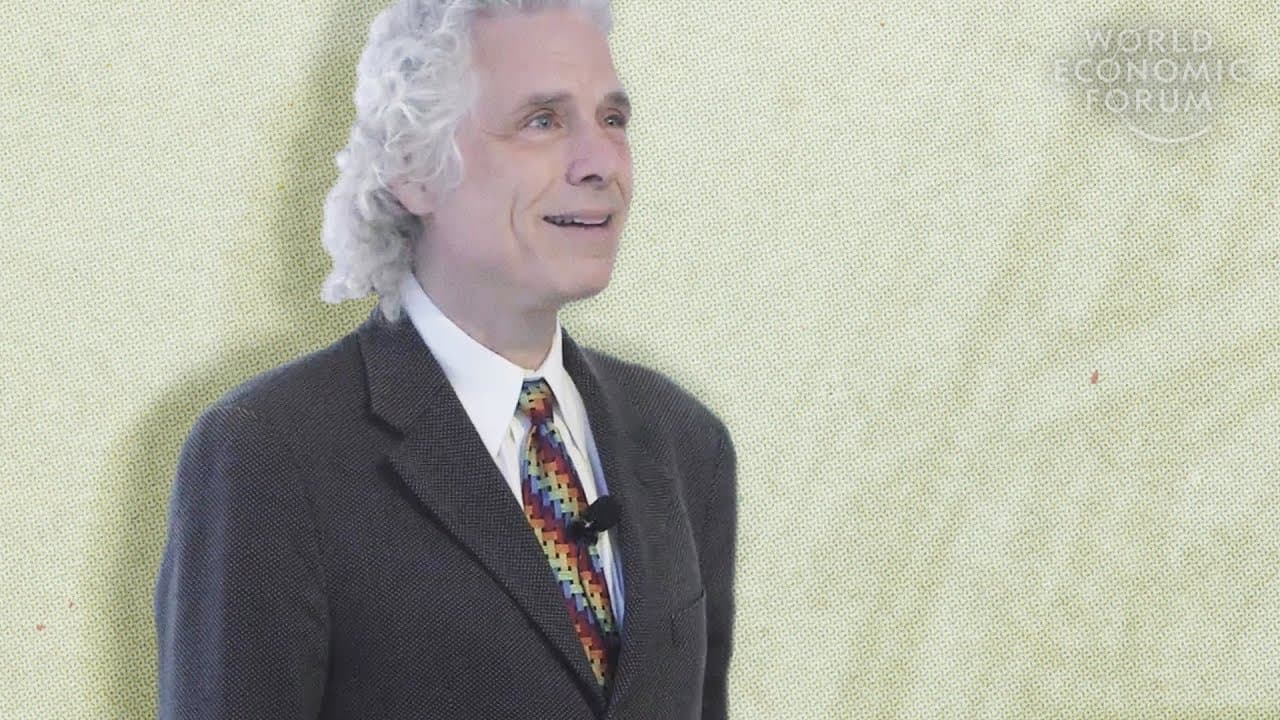
The world is improving due to Enlightenment principles focusing on reason, science, humanism, and progress. These ideals have resulted in significant advancements in life expectancy, poverty reduction, literacy, and peace. Despite current challenges, these principles provide a framework for solving global issues, demonstrating that human well-being is on an upward trajectory.
Transcript
from time to time we all ask some deep questions why is the world filled with wall how can we make it better how can we give meaning and purpose to our lives as imponderable as these questions may seem many people have answers to them for example morality is dictated by God in Holy Scriptures when everyone obeys his laws the world will be perfect p... Read More
Key Insights
- ❓ The Enlightenment values reason as a basis for understanding and promoting human progress.
- ✌️ Progress in areas like life expectancy, prosperity, literacy, and peace demonstrates the impact of Enlightenment ideals.
- ❓ Human progress reflects a commitment to knowledge, empathy, and rationality outlined by the Enlightenment.
- 🔫 Overcoming challenges like climate change and nuclear weapons requires applying Enlightenment principles of reason, science, and humanism.
- 🙈 The impact of Enlightenment values can be seen in advancements that have improved quality of life globally.
- 🔉 Denial of human progress can be influenced by biases in perception and media representation.
- 😀 Secular liberal democracies embody Enlightenment principles and offer the happiest and healthiest societies.
- 🎙️ More videos with Steven Pinker:
Install to Summarize YouTube Videos and Get Transcripts
Explore YouTube Video Summarizer or Get YouTube Transcript Extractor
Questions & Answers
Q: What are the four key themes of the Enlightenment?
The four key themes of the Enlightenment are reason, science, humanism, and progress. These values promote human flourishing through rationality, empirical inquiry, moral purpose, and advancements in society.
Q: How has human progress, such as literacy rates and life expectancy, reflected Enlightenment ideals?
Human progress, including increased literacy rates and life expectancy, illustrates the impact of Enlightenment values like reason, knowledge, and humanism in promoting positive changes over time.
Q: Why do people sometimes deny human progress and the impact of Enlightenment values?
Denial of human progress and Enlightenment values can be influenced by psychological biases like the availability heuristic, negativity bias, and a focus on negative news, leading to skepticism about advancements.
Q: How has the Enlightenment influenced societal views on issues like democracy, human rights, and equality?
The Enlightenment has contributed to the rise of democracy, human rights, equality, and the reduction of violence, reflecting the values of reason, liberty, and humanism championed during that period.
Summary & Key Takeaways
-
The Enlightenment ideals focus on reason, science, humanism, and progress to promote human flourishing.
-
Human progress in areas such as life expectancy, prosperity, peace, literacy, and happiness is evidence of Enlightenment principles.
-
Despite challenges like climate change and nuclear weapons, a commitment to Enlightenment values offers hope for solving global problems.
Read in Other Languages (beta)
Share This Summary 📚
Summarize YouTube Videos and Get Video Transcripts with 1-Click
Try YouTube Summary with ChatGPT & Claude or YouTube Transcript Generator
Explore More Summaries from World Economic Forum 📚
Summarize YouTube Videos and Get Video Transcripts with 1-Click
Try YouTube Summary with ChatGPT & Claude or YouTube Transcript Generator