How to Sell Without Weakening Your Sales Pitch
TL;DR
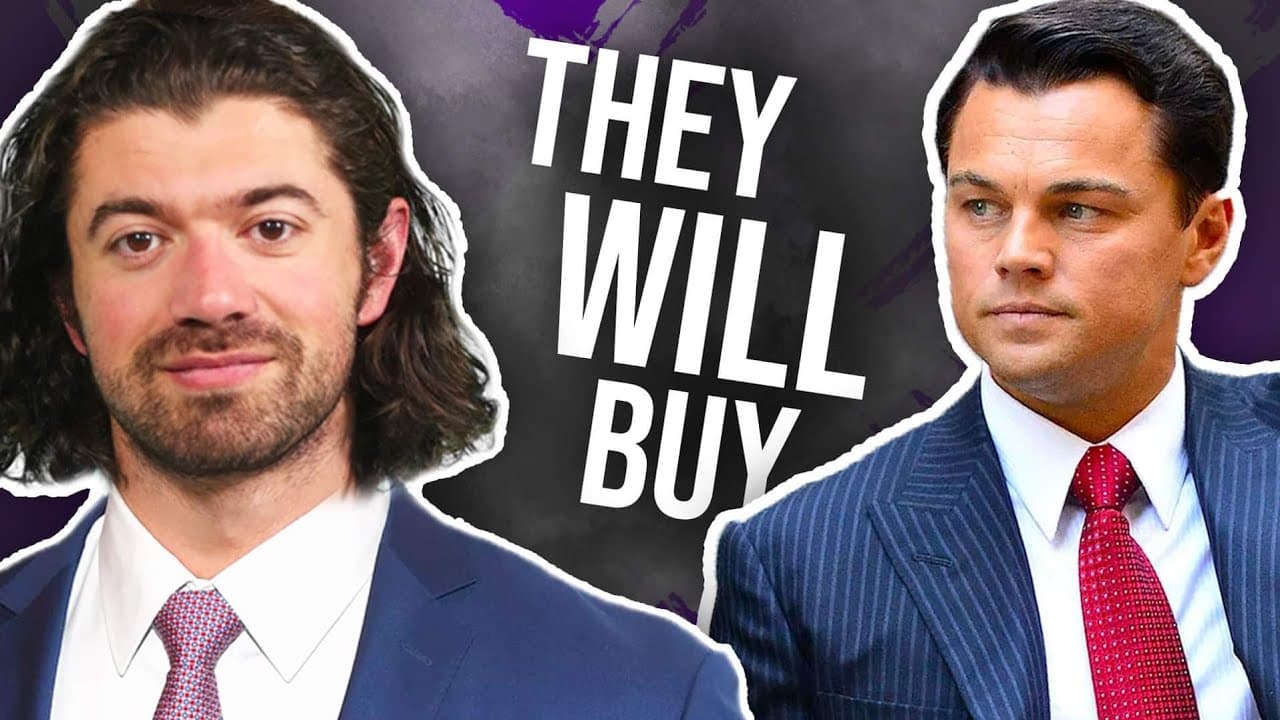
Either make a complete, persuasive offer or do not make one at all. A half-hearted pitch removes the framing, guarantees, bonuses, and other elements people need to decide, while still consuming audience goodwill. Keep providing value until an ask is worthwhile, then state the offer clearly, confidently, and without apologizing for the act of selling.
Transcript
In this video, I want to talk to you about a time where I bombed, completely bombed, uh, a stage presentation and one of the most important lessons that I've learned from it that has made me a lot of money since then, um, and has protected my reputation and gotten me a lot of goodwill. So, if you've ever like not known what to do or what to offer p... Read More
Key Insights
- A half-hearted sales pitch is still an ask, but it lacks the framing and persuasive support that help an audience understand the offer and decide. It can therefore consume goodwill while producing few or no sales, combining the costs of pitching with none of its intended benefits.
- A complete pitch includes the elements required for a decision, such as relevant stories, guarantees, bonuses, scarcity, and a clearly stated offer. Removing those elements because the audience already knows sales methods does not mean people no longer need persuasive reasons to act.
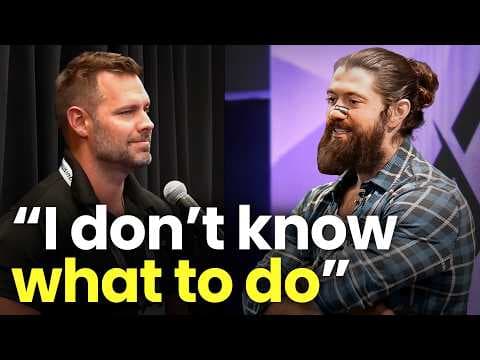
- The failed presentation followed two and a half hours of teaching and questions, then compressed a normally 90-minute sales deck into a rushed transition. The presenter skipped explanations, assumed the audience understood the material, and made the offer without the deliberate pre-frame the pitch normally required.
- The product offered at the event cost $2,000 and was created specifically for the fitness-related audience. The presenter had previously sold nothing below $16,000, which contributed to his impatience when attendees asked about payment plans, product fit, and whether the model would work for fitness businesses.
- The central sales rule is to either ask decisively or make no ask at all. A business meeting, conference, or audience presentation should not contain an apologetic middle position where the seller mentions an offer but refuses to present it with conviction and supporting evidence.
- Goodwill is relational capital built by continually providing useful things to an audience. Patient overdelivery can create reciprocal behavior, causing people to offer opportunities or support without being directly asked because they feel a natural obligation to return some of the value received.
- The timing of an ask matters because every sales request withdraws from accumulated goodwill. Holding back can be more profitable when continued giving strengthens trust, while a worthwhile moment to sell calls for an explicit, confident request rather than repeated small withdrawals.
- Highly emotional failures can become opportunities for concentrated learning when a person deliberately asks what lesson should be retained. After the humiliating presentation, the presenter used the intensity of the experience to ingrain a practical rule that later protected his reputation and produced goodwill.
Install to Summarize YouTube Videos and Get Transcripts
Explore YouTube Video Summarizer or Get YouTube Transcript Extractor
Questions & Answers
Q: Why do half-hearted sales pitches fail?
Half-hearted pitches fail because they make an offer without providing the full structure people need to evaluate it. Rushing past stories, guarantees, bonuses, scarcity, proof, and framing does not eliminate the audience's need for persuasion. The seller still spends relational capital by asking, but the unclear and apologetic delivery weakens confidence, creates objections, and can leave both sides frustrated.
Q: How should a seller decide whether to pitch an offer?
A seller should choose between two clear options: provide value without asking for anything, or make a complete and intentional offer. The middle position is costly because it consumes goodwill without giving the pitch a fair chance to work. If the offer is worth presenting, the seller should explain it fully, ask directly, and mean the request.
Q: What caused the fitness mastermind presentation to fail?
The presentation failed after two and a half hours of teaching and audience questions were followed by a rushed offer. The presenter moved rapidly through slides from a normally 90-minute sales presentation, said much of the content had already been covered, and skipped the usual pre-frame. The audience did not act, objections followed, and his increasingly irritated answers further damaged the room's tone.
Q: What does goodwill mean in a business relationship?
Goodwill is described as relational capital accumulated by repeatedly giving useful value to an audience. Each act of overdelivery functions like an investment, while a sales request functions like a withdrawal. With enough patience and consistent giving, people may reciprocate through opportunities, support, or purchases without constant requests because humans tend to return value they have received.
Q: Why should sellers include guarantees, bonuses, and scarcity?
Guarantees, bonuses, scarcity, stories, and related elements help people make decisions by clarifying value, reducing concerns, and creating reasons to act. An executive omitted these components because his audience had already been taught how sales tactics work. The pitch still failed, demonstrating that understanding a persuasive method does not make an audience immune to needing decision support when considering an actual offer.
Q: When should a business hold back its sales ask?
A business should hold back when continuing to provide value can build more goodwill than an immediate offer would capture. The presenter says he has usually been better served by delaying the ask and patiently overdelivering. Repeated giving can eventually produce reciprocal benefits on its own, while preserving the option to make a larger and clearer request when the opportunity truly justifies a withdrawal from relational capital.
Q: How should sellers respond to objections during a pitch?
Sellers should treat objections as decision barriers that require thoughtful answers, not as annoyances. During the failed event, questions about a payment plan, vegan product compatibility, and whether the model worked for fitness businesses received dismissive responses such as telling people not to buy. That tone intensified the failure, showing that confidence in an offer does not justify disregarding legitimate audience concerns.
Q: How can an entrepreneur learn from an embarrassing failure?
An entrepreneur can use the emotional intensity of failure to identify and deliberately retain a practical lesson. After feeling angry, embarrassed, and humiliated by the presentation, the presenter asked what he should learn from the experience. He concluded that sellers should use no half measures: either make a full, confident pitch or continue giving value without making an ask at all.
Summary & Key Takeaways
-
A three-hour presentation ended badly after the presenter spent most of the session teaching, then rushed through a slide deck designed for a 90-minute sales presentation. The resulting offer lacked proper framing, and an increasingly hostile question-and-answer exchange left him feeling angry, embarrassed, and humiliated despite his confidence in the product.
-
The central lesson is to avoid half measures. A seller should either deliver value without making an offer or present the offer completely, including the stories, guarantees, bonuses, scarcity, and other persuasive components that help buyers make decisions. Skipping those elements because an audience supposedly understands them can still cause the pitch to fail.
-
Goodwill functions like relational capital that grows through patient, repeated overdelivery. Because people tend to reciprocate value, consistent giving can produce opportunities without an immediate request. When a seller eventually chooses to withdraw from that accumulated goodwill, the ask should be clear, substantial, intentional, and worth the relational cost it creates.
Read in Other Languages (beta)
Share This Summary 📚
Summarize YouTube Videos and Get Video Transcripts with 1-Click
Try YouTube Summary with ChatGPT & Claude or YouTube Transcript Generator
Explore More Summaries from Alex Hormozi 📚

Summarize YouTube Videos and Get Video Transcripts with 1-Click
Try YouTube Summary with ChatGPT & Claude or YouTube Transcript Generator