How to Live Wisely and Avoid Regret Later
TL;DR
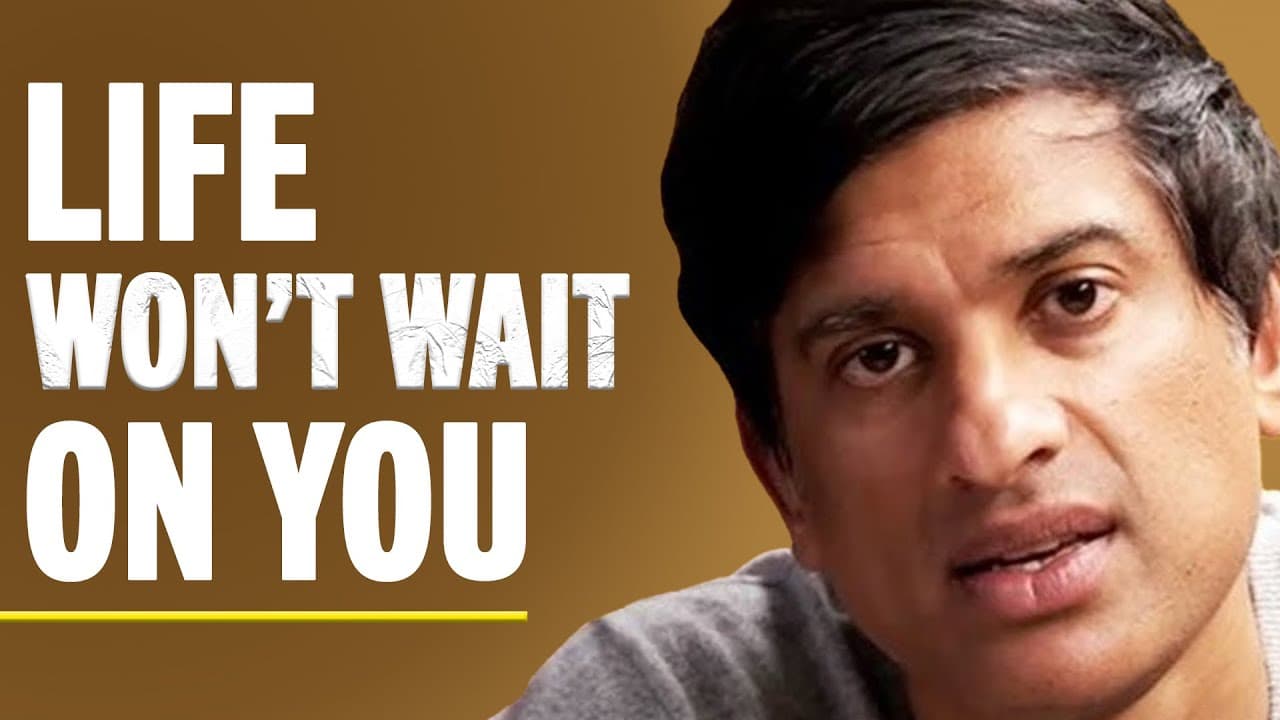
Create a more meaningful life by reserving at least 5 to 15 minutes each day for quiet reflection, then choosing small actions you can repeat without daily debate. Ask what went well and what you can do differently tomorrow. Reducing unnecessary choices helps prevent analysis paralysis, procrastination, and the gradual neglect of health, relationships, and happiness.
Transcript
would you say that you are living your best life it's a big question isn't it but it's an important question so many people at the end of their life say that they have huge regrets people say things like I wish I'd work less I wish I'd spent more time with my friends and family I wish I'd allowed myself to be happy I wish I'd lived my life and not ... Read More
Key Insights
- A daily holiday is a reserved period of 10 to 15 minutes in which a person steps outside normal activity and reflects on life. Meditation, a phone-free walk, journaling, breath work, yoga, or sitting quietly with coffee can provide this perspective.
- Perspective is necessary for identifying whether work, relationships, health, and happiness are receiving appropriate attention. Without regular reflection, unwanted patterns can continue unnoticed until illness, damaged relationships, low self-esteem, or reduced motivation makes their consequences much harder to ignore.
- Two daily reflection questions are: what went well today, and what can I do differently tomorrow? These questions combine recognition of positive choices with compassionate adjustment, allowing improvement without turning reflection into self-criticism or an exercise in dwelling on mistakes.
- Even 5 minutes of reflection can make a difference when 10 or 15 minutes are unavailable. The important action is creating a consistent pause, because claiming to have no time for reflection makes meaningful changes and different decisions much harder to achieve.
- Small repeated actions are the basis of progress. Doing something manageable each day, then continuing week after week and month after month, is presented as the practical route to change, regardless of whether the chosen activity is running, gym training, Pilates, yoga, meditation, or journaling.
- Too much choice can lead to analysis paralysis and procrastination. Constantly comparing activities or entertainment options consumes time and creates doubt about whether another choice would be better, sometimes resulting in no decision and no useful action at all.
- A locked-in routine reduces the mental effort required to begin. The described morning routine uses three elements, mindfulness, movement, and mindset, so the activities are already determined rather than reconsidered at 5 in the morning each day.
- Habitual actions do not require constant novelty to remain valuable. Brushing teeth for 2 minutes in the morning and 2 minutes in the evening illustrates how a simple, repeated practice can become embedded in life instead of being replaced by a different option each day.
Install to Summarize YouTube Videos and Get Transcripts
Explore YouTube Video Summarizer or Get YouTube Transcript Extractor
Questions & Answers
Q: How can I live more intentionally and avoid future regret?
Reserve a short period every day to step outside normal activity and assess how life is going. Use meditation, journaling, breath work, yoga, a phone-free walk, or quiet time with coffee. Consider whether work is consuming too much time and whether friends, family, or a partner are receiving enough attention. This regular perspective helps identify unwanted patterns while they can still be changed.
Q: What is a daily holiday from your life?
A daily holiday is 10 to 15 minutes set aside for gaining perspective on life rather than continuing with ordinary demands. It does not require travel or a formal vacation. It can involve meditation, journaling, breath work, yoga, walking around the block without checking a phone, or sitting silently with coffee. If a longer pause is difficult, even 5 minutes can still be useful.
Q: What questions should I ask during daily reflection?
Ask, “What went well today?” and “What can I do differently tomorrow?” The first question recognizes helpful choices and positive experiences. The second identifies a practical adjustment without encouraging self-criticism. Answering both after dinner or before bed takes only a few minutes. Repeating the exercise for at least 7 consecutive days can begin changing how each day is experienced.
Q: Why is daily reflection important for meaningful change?
Daily reflection creates enough distance to recognize where current behavior is leading. Without that pause, a person may continue working evenings and weekends, missing holidays, or neglecting important relationships without fully noticing the accumulated cost. Reflection can reveal these patterns early, support different decisions, and reduce the chance of looking back after illness or relationship damage with preventable regrets.
Q: How does eliminating choice help build better habits?
Eliminating choice removes the repeated debate about which useful activity to perform. Instead of comparing yoga, Pilates, running, gym training, meditation, or journaling until no action occurs, choose one practice and begin. A predetermined routine limits analysis paralysis and procrastination. Progress then comes from repeating a small action each day, week after week and month after month, rather than continually searching for a better option.
Q: What are the three parts of the morning routine?
The morning routine contains three elements called the three M’s: mindfulness, movement, and mindset. Mindfulness includes meditation and breath work. Movement is a workout performed while coffee is brewing. Mindset usually involves journaling or reading an uplifting chapter of a book while drinking coffee. Locking these elements into the morning prevents time from being lost deciding what to do each day.
Q: How much time should I spend on a daily holiday?
Aim to reserve 10 or 15 minutes, with a longer period being acceptable when circumstances allow. Lack of time should not become an obstacle, because even 5 minutes is presented as worthwhile. The period can be scheduled first thing in the morning, after dinner, or before bed. Consistency and genuine reflection matter more than choosing one required activity or waiting for a large block of free time.
Q: Why can having too many options cause procrastination?
Too many options make comparison difficult and create concern that another choice might be better. The transcript illustrates this with streaming services, where 45 minutes can pass without selecting anything, leaving people frustrated and abandoning the activity. The same pattern can affect health habits. When numerous exercises or reflection methods are continually compared, decision-making replaces action, so choosing one acceptable option is more productive.
Summary & Key Takeaways
-
A meaningful life requires enough distance from daily activity to notice whether current habits support what truly matters. A daily holiday provides that perspective through meditation, walking without a phone, journaling, breath work, yoga, or quiet reflection. Even 5 minutes can help reveal problems before they become deeply established.
-
Two compassionate evening questions can turn reflection into practical improvement: what went well today, and what can I do differently tomorrow? Answering them consistently for at least 7 days encourages recognition of progress without self-criticism. It also identifies one manageable adjustment that can improve the following day and gradually reshape life.
-
Lasting change comes from taking small actions repeatedly, not endlessly comparing available methods. Too much choice can create analysis paralysis and procrastination. A fixed routine removes the need for daily negotiation. The described morning routine combines mindfulness, movement, and mindset through meditation, breath work, exercise, journaling, or uplifting reading.
Read in Other Languages (beta)
Share This Summary 📚
Summarize YouTube Videos and Get Video Transcripts with 1-Click
Try YouTube Summary with ChatGPT & Claude or YouTube Transcript Generator
Explore More Summaries from Dr Rangan Chatterjee 📚



Summarize YouTube Videos and Get Video Transcripts with 1-Click
Try YouTube Summary with ChatGPT & Claude or YouTube Transcript Generator