What Is Trauma and How Do We Cope With It?
TL;DR
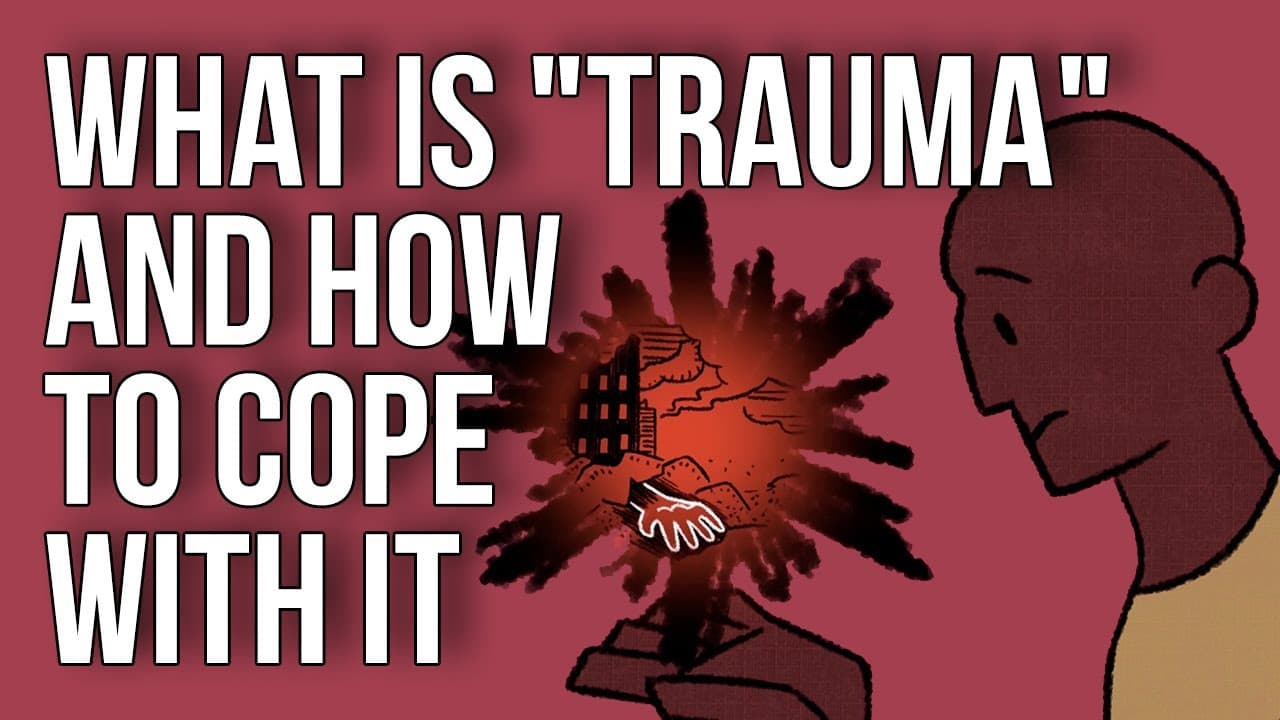
Trauma is an unprocessed memory from a severe event that leaves a lasting shadow on present life. The solution is to identify the original incident, understand its local features, and reframe it with rational, adult thinking so emotional responses become manageable and the world feels less terrifying.
Transcript
what is trauma a trauma is not merely a terrible event though it is very much that too it is a terrible event that has not been adequately processed understood and unpicked and that has through neglect being able to cast a very long and undeserved shadow over huge areas of experience the concept of trauma was first observed in military contexts let... Read More
Key Insights
- Trauma is an unprocessed memory that can linger after a terrible event and re-emerge in seemingly harmless situations.
- The key to healing lies in linking the traumatic memory to its real origin and understanding the specific incidents that generated difficulty.
- Trauma can be learned from both overt disasters and calmer life events such as parental conflict or critical mistakes.
- Safe, rational examination of the original event helps neutralize the fear embedded in the memory.
- Growing awareness of how the mind multiplies and generalizes fear reduces its grip on present experiences.
- Repatriating fearful emotions means bringing them into conscious, adult understanding rather than allowing them to haunt subconscious thought.
- Understanding that the fear is tied to a past incident, not current danger, decreases automatic panic responses.
- Compassionate self-reflection and imagination can loosen the trauma’s hold and restore a sense of normalcy.
Install to Summarize YouTube Videos and Get Transcripts
Explore YouTube Video Summarizer or Get YouTube Transcript Extractor
Questions & Answers
Q: What is trauma and how does it differ from a simple fear?
Trauma is more than a terrible event; it is a terrible event that has not been adequately processed and understood, which casts a long shadow over many areas of experience. The difference from ordinary fear is the scale and intensity of feelings that occur with no objective reason in the present. Trauma persists because the original incident remains unexamined and unintegrated, causing reactivity that feels disproportionate to current circumstances.
Q: How can a traumatic memory be triggered by everyday sounds?
Trauma can be triggered by sounds that resemble the original danger, such as a car alarm or a high-pitched tone. The memory of danger can resurface involuntarily, producing a panic reaction long after the event. This happens because the memory system has not updated the threat assessment and continues to associate similar cues with the original danger, provoking fear even in safe environments.
Q: What role does processing play in healing from trauma?
Processing involves unpacking the original incident with careful examination, identifying the local and unique features that generated the trauma, and understanding how the mind multiplied and universalized the difficulty. Through this rational reckoning, the individual can connect the past event to a present reality and reduce the automatic fear responses that once seemed justified.
Q: Can trauma be acquired in non-war contexts, and how?
Yes, trauma can be acquired in peaceful circumstances when a distressing event is not adequately processed. For example, a child might experience a severe reaction to a parent’s anger after making a mistake, leading to a lifelong fear of errors. The absence of processing turns a single incident into a pervasive sense of danger across different situations.
Q: What does it mean to repatriate fearful emotions?
Repatriating fearful emotions means bringing them back into the conscious, rational mind where they can be examined without panic. It involves recognizing that the frightening response is tied to a past event rather than reflecting current danger. This process helps render the world less terrifying and restores a sense of safety in everyday life.
Q: Why is it important to understand the original event in trauma therapy?
Understanding the original event is crucial because it reveals how the current fear and avoidance patterns developed. By localizing the specific incident and distinguishing it from later interpretations, a person can free themselves from automatic reactions and reframe past experiences, reducing the power the trauma has over present behavior.
Q: How can one begin to cope with trauma in daily life?
Coping starts with recognizing that terror may not reflect actual danger and that the fear originates from a past incident. Then, gradually approach reminders of the trauma with calm, rational reflection, seek supportive guidance, and reframe the memory in a kinder, more accurate light. Over time, this reduces reactivity and improves present functioning.
Q: What is the ultimate aim of understanding traumatic memories, according to the video?
The ultimate aim is to liberate oneself from the unprocessed memory by recognizing it for what it was, not what it feels like now. This enables one to live with a more accurate sense of danger, reduce fear responses, and rebuild confidence in ordinary experiences, ultimately making life less terrifying.
Summary & Key Takeaways
-
Trauma is defined as an unprocessed, inadequately understood memory from a terrible event that can cast a long shadow over future experience. Understanding the original incident and its local features helps restore emotional balance and reduce automatic fear responses.
-
Coping with trauma involves reuniting the traumatic memory with rational, adult understanding. By examining the past with kindness and imagination, one can dissociate from irrational panic and reframe danger as a past event rather than a present truth.
-
The process of healing relies on repatriating fearful emotions to the conscious mind, which reduces the grip of the original trauma on peaceful moments and allows life to feel safer and more manageable over time.
Read in Other Languages (beta)
Share This Summary 📚
Summarize YouTube Videos and Get Video Transcripts with 1-Click
Try YouTube Summary with ChatGPT & Claude or YouTube Transcript Generator