How to Build a Social Media Manager Portfolio
TL;DR
Learn how to create a portfolio for social media management.
Transcript
hey guys what's up welcome back to my channel or welcome to my channel if you're new I am a full-time freelancer I focused primarily on social media marketing video marketing and editing and today I'm going to show you how to create a social media management portfolio this is a question I got all the time I've mentioned portfolios and some of my yo... Read More
Key Insights
- A social media management portfolio is a representation of your work, which can include screenshots, a list of services, and client testimonials.
- Contracts should specify whether you can use client work in your portfolio; legal templates can assist in setting these terms.
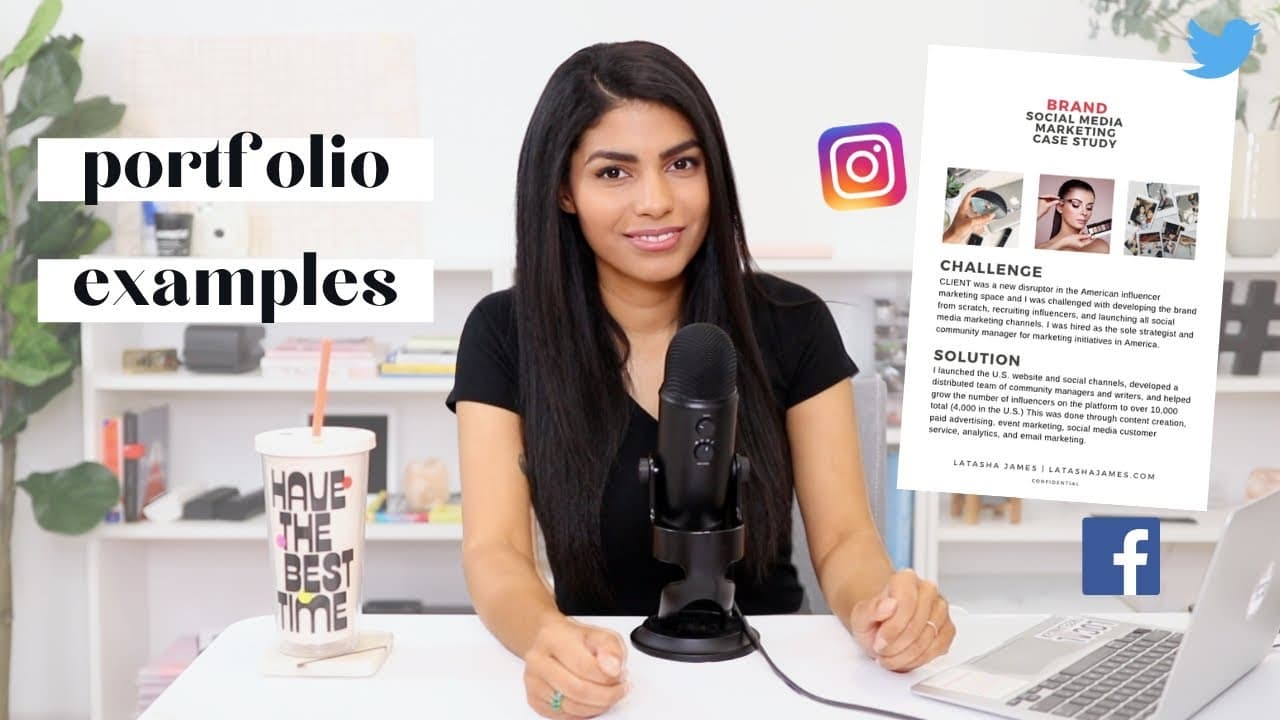
- A portfolio deck should include a brief introduction, mini case studies, and a call to action for potential clients.
- Case studies should follow a problem-solution-results format, highlighting your role and the outcomes achieved for the client.
- When client confidentiality is a concern, anonymizing data in your portfolio is a viable option.
- Visual elements like graphs and charts can make your portfolio more compelling and help demonstrate the impact of your work.
- Using tools like Canva can simplify the creation of portfolio documents, allowing for customization without needing complex templates.
- Providing industry-specific case studies can help potential clients understand your expertise in their particular field.
Install to Summarize YouTube Videos and Get Transcripts
Explore YouTube Video Summarizer or Get YouTube Transcript Extractor
Questions & Answers
Q: What is a social media management portfolio?
A social media management portfolio is a collection of your work that showcases your skills and experience in social media management. It typically includes screenshots of campaigns, a list of services provided, client testimonials, and case studies that outline the problems addressed, solutions implemented, and results achieved. This portfolio helps potential clients understand your capabilities and the value you can bring to their projects.
Q: How can you legally include client work in your portfolio?
To include client work in your portfolio legally, it's essential to have clear terms outlined in your contract. You should specify whether you can use the work for portfolio purposes. Using legal templates or consulting with a lawyer can help ensure that your contracts cover this aspect. Always check the contract before sharing any client work, and consider anonymizing data if confidentiality is a concern.
Q: What should a portfolio deck contain?
A portfolio deck should contain a brief introduction about you and your company, mini case studies relevant to the industry you're targeting, and a call to action for potential clients. Each case study should include a summary of the client, the services provided, and any relevant testimonials. Visual elements like screenshots and graphs can enhance the presentation and make it more engaging for viewers.
Q: How should case studies be structured in a portfolio?
Case studies in a portfolio should follow a problem-solution-results format. Start with an introduction that outlines the client's challenges and your role in the project. Then, detail the solution you implemented, such as strategies or campaigns. Finally, present the results achieved, using data and metrics to demonstrate the impact of your work. This structure provides a clear narrative of your contributions and successes.
Q: What can you do if you can't disclose client information?
If you can't disclose client information, you can anonymize the data in your portfolio. Instead of naming the specific client, use general terms like 'skincare company' or 'restaurant.' Provide general data and results without revealing sensitive details. This approach allows you to showcase your work while respecting client confidentiality. Consulting with a legal professional can provide additional guidance on handling sensitive information.
Q: Why are visual elements important in a portfolio?
Visual elements are important in a portfolio because they help illustrate the impact of your work and make the presentation more engaging. Graphs, charts, and screenshots can effectively communicate data and results, making it easier for potential clients to understand your achievements. Visuals can also capture attention and make your portfolio stand out, increasing the likelihood of securing new business opportunities.
Q: What tools can be used to create a social media management portfolio?
Tools like Canva are highly recommended for creating a social media management portfolio. Canva offers customizable templates that make it easy to design professional-looking documents without needing advanced design skills. It allows you to add visual elements, such as graphs and images, to enhance your portfolio. The flexibility of Canva enables you to create a unique and personalized presentation of your work.
Q: How can industry-specific case studies benefit your portfolio?
Industry-specific case studies can benefit your portfolio by demonstrating your expertise and experience in a particular field. By showcasing work that is relevant to a potential client's industry, you provide evidence of your ability to understand and address their specific needs. This targeted approach can increase your appeal to prospective clients and set you apart from competitors who may not have the same level of industry-specific experience.
Summary & Key Takeaways
-
The video discusses how to create a social media management portfolio, emphasizing the importance of showcasing your work through screenshots, lists of services, and testimonials. It highlights the need to specify in contracts whether you can use client work in your portfolio.
-
The speaker suggests creating a portfolio deck with an introduction, mini case studies, and a call to action. Case studies should follow a problem-solution-results format, and anonymizing data is recommended for sensitive client information.
-
Visual elements, such as graphs, enhance the portfolio's appeal. Tools like Canva are recommended for creating portfolio documents, and industry-specific case studies can help demonstrate expertise to potential clients.
Read in Other Languages (beta)
Share This Summary 📚
Summarize YouTube Videos and Get Video Transcripts with 1-Click
Try YouTube Summary with ChatGPT & Claude or YouTube Transcript Generator
Explore More Summaries from Latasha James 📚




Summarize YouTube Videos and Get Video Transcripts with 1-Click
Try YouTube Summary with ChatGPT & Claude or YouTube Transcript Generator