How to Be a Memorable Guest at Social Events
TL;DR
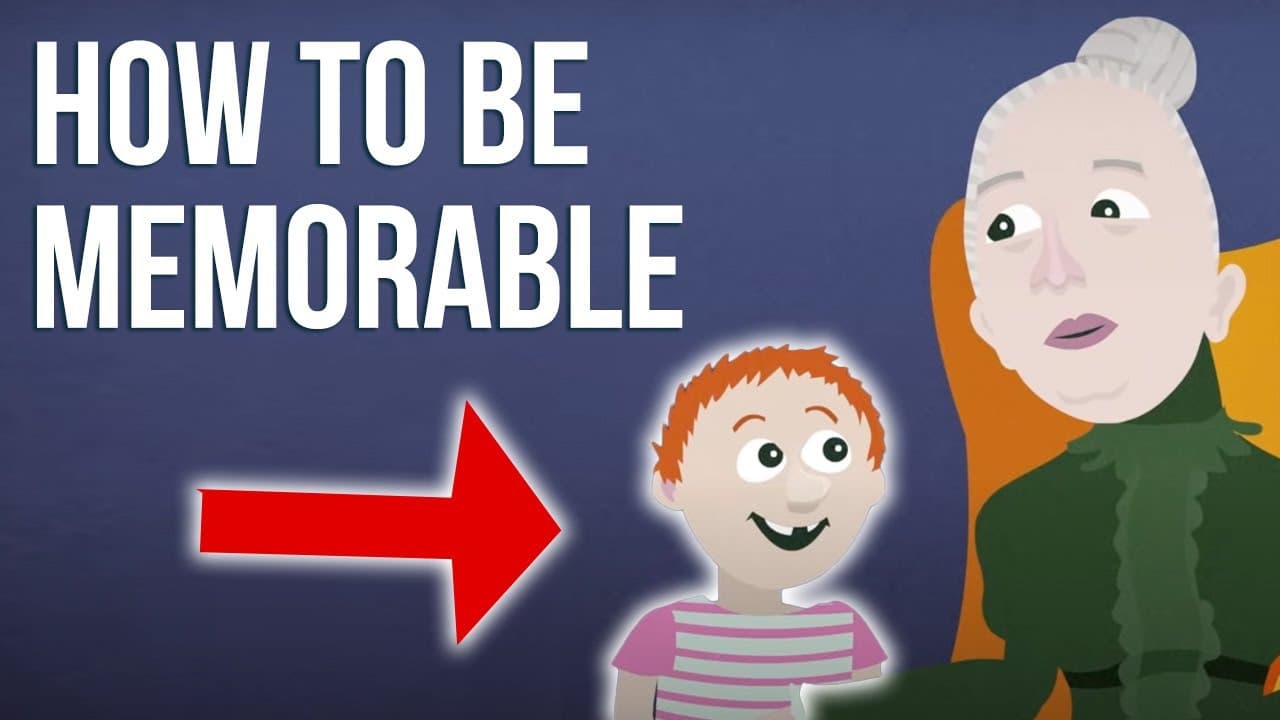
To be a memorable guest, express your unique personality while remaining gracious. Instead of solely mimicking your hosts, share personal stories and preferences, allowing authentic connections to form. Embracing your individuality not only enhances interactions but also fosters deeper friendships.
Transcript
it's normal to want to be a good guest an intense wish to please tends to guide us when we accept a dinner invitation or spend a weekend with friends and we generally fulfill this ambition by following a leading theory of what satisfies other humans we mimic our hosts we follow their lead in the conversation we discuss what they want to discuss we ... Read More
Key Insights
- 😑 Expressing individuality while being gracious creates more memorable social interactions than mere conformity.
- 😑 People-pleasers may struggle with authentic self-expression due to their upbringing, which can hinder meaningful connections.
- 👶 The sociability of children teaches adults the value of candidness and the charm of showing one's peculiarities.
- ❓ Sharing personal stories or quirks can foster deeper friendships by highlighting shared human experiences.
- 🪡 It’s important to recognize that being merely polite does not fulfill the deeper social need for genuine connections.
- 🆘 Understanding the dynamics of social behavior can help individuals navigate social scenarios with greater confidence and authenticity.
- 🤑 Acknowledging one’s peculiarities can lead to richer and more enjoyable conversations, making social gatherings more lively.
Install to Summarize YouTube Videos and Get Transcripts
Explore YouTube Video Summarizer or Get YouTube Transcript Extractor
Questions & Answers
Q: What is the main difference between a mimetic guest and a more expressive guest?
A mimetic guest tends to mirror the preferences and topics of their hosts, often leading to polite but unremarkable interactions. In contrast, an expressive guest openly shares their unique thoughts and needs while remaining gracious, creating more engaging and memorable experiences for everyone involved.
Q: How does childhood influence adult social behavior?
Many people-pleasing adults often stem from childhood experiences where they felt pressured to conform to their caregivers' expectations. This background can suppress individuality, making it challenging for them to express who they genuinely are in social situations later in life, thus hindering the potential for deeper connections.
Q: Why do we find children’s candidness charming in social situations?
The honesty of children, who freely share their imaginative thoughts and preferences, offers relief from the societal pressure to conform. This authenticity reminds adults about the joy and interest that can come from expressing one's peculiarities, fostering a healthier social environment where uniqueness is celebrated.
Q: What are key strategies for becoming a more memorable guest?
To be memorable, one should embrace their unique traits and share them with others, while also being polite and socially aware. This can involve discussing personal anecdotes or preferences candidly during meals, helping to break the standard social mold and create richer interactions.
Q: How does the content suggest overcoming the fear of showing one's true self?
The content encourages individuals to shed their inhibitions and embrace their authentic selves in social situations. It emphasizes moving away from merely polite interactions toward genuine ones, where vulnerabilities and eccentricities enhance the quality of the connections made.
Q: What role does empathy play in being a good guest?
Empathy allows guests to be self-aware and considerate of others when expressing their unique traits. A good guest balances clarity about their needs with an understanding of their host's comfort, facilitating an environment where open conversation and connection can thrive.
Summary & Key Takeaways
-
The content discusses the difference between type-casting oneself as a mimetic guest who conforms to social expectations and one who expresses distinct personality traits, leading to more engaging interactions.
-
It highlights the importance of being memorable by showing individual character while remaining polite, suggesting that true social charm lies in embracing and sharing one's quirks.
-
Finally, it reflects on the impact of upbringing on adult behavior, encouraging individuals to be more authentic in social interactions to cultivate meaningful friendships.
Read in Other Languages (beta)
Share This Summary 📚
Summarize YouTube Videos and Get Video Transcripts with 1-Click
Try YouTube Summary with ChatGPT & Claude or YouTube Transcript Generator