How to turn knowledge into an online course in 90 days
TL;DR
Define your unique skill, target the right audience, and articulate a tangible transformation, then build a small, testable offer and validate it with real conversations. The framework guides you from zero following to a live, scalable program in the first 90 days, using a clarity compass and an authority blueprint.
Transcript
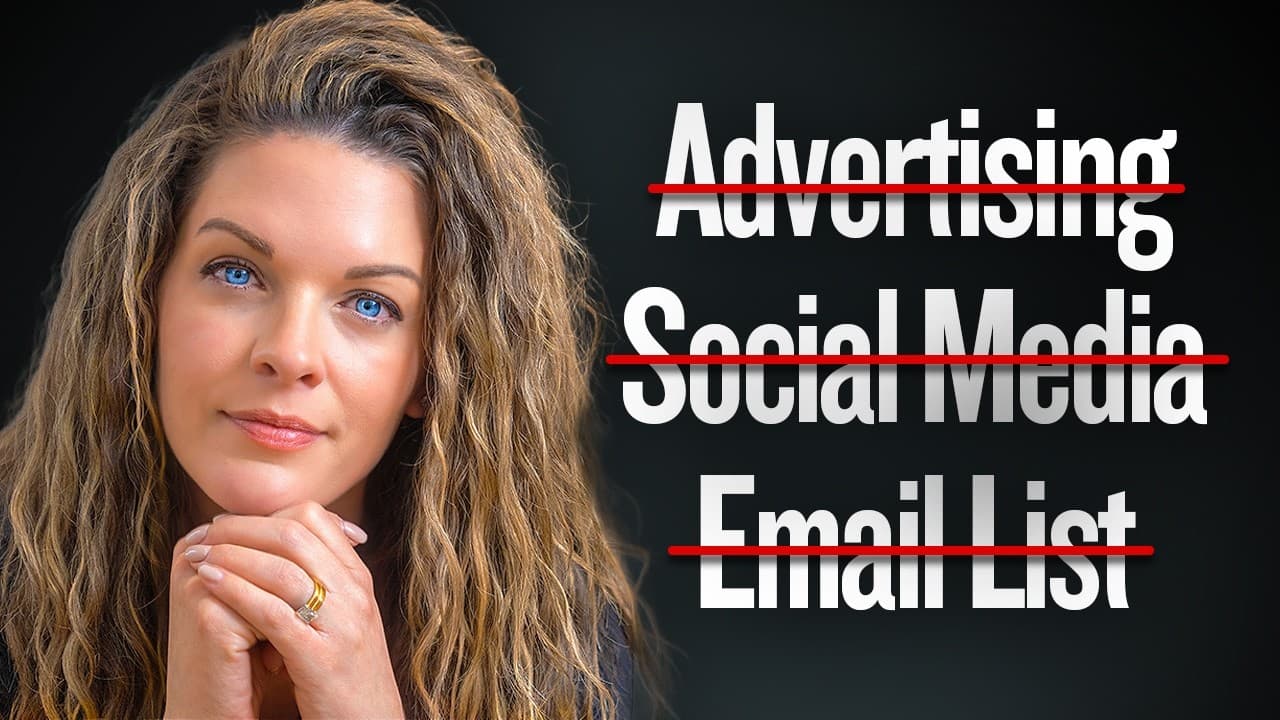
If I had to build an online coaching program or an online course from scratch, no email list, no following, absolute zero, I know exactly every single step I would take in the next 90 days to achieve that. So, I wanted to make this video to walk you through that exact process. I'm going to share some tools, some behind-the-scenes tactics that we us... Read More
Key Insights
- The key to starting is to crystallize your unique skill set and align it with a concrete transformation you can deliver.
- Identifying the ideal client requires detailing their age range, pain points, and emotional struggles to tailor messaging effectively.
- A clear transformation statement helps you communicate value quickly and wins trust with potential clients.
- The authority blueprint aggregates market research, client insights, and a curriculum outline to guide product development.
- Post it positioning distills your offer to a one sentence description that is easy to share with peers and potential collaborators.
- A profitable offer prototype focuses on a testable program rather than a full scale evergreen product, reducing risk and speeding feedback.
- Research interviews are essential to validate what clients need, what they will pay for, and how they will engage with content.
- Validation through live prototypes converts learning into scalable revenue by turning real-world demand into repeatable processes.
Install to Summarize YouTube Videos and Get Transcripts
Explore YouTube Video Summarizer or Get YouTube Transcript Extractor
Questions & Answers
Q: What is the first step to create an online course from scratch?
The first step is to crystallize your unique skill set and define a specific transformation you can deliver to a targeted audience. This involves describing the exact outcome a client experiences and who benefits most. Clear definition reduces guesswork and lays the foundation for messaging, pricing, and curriculum design.
Q: How do I identify my ideal client for an online course?
Identify your ideal client by detailing demographic factors, typical pain points, emotional struggles, and the outcomes they seek. The goal is to picture a person who will benefit most and who is likely to invest in your solution. This clarity guides positioning, content, and marketing channels.
Q: What is a transformation statement and why is it important?
A transformation statement communicates the tangible change a client will experience after completing your program. It is important because it anchors your messaging, helps you stay focused on outcomes, and makes it easier for potential clients to understand the value and decide to enroll.
Q: What is an authority blueprint and how is it used?
An authority blueprint is a structured plan that captures market research, client insights, and curriculum ideas. It guides product development and messaging, showing how to reach the right audience, what they consume, and how to present a compelling program that aligns with their needs.
Q: What does post it positioning entail?
Post it positioning involves boiling down your offer into a single concise statement that others can grasp quickly. This helps with clear communication across marketing materials and makes it easier to secure referrals and partnerships by keeping the core value obvious.
Q: Why is a profitable offer prototype important?
A profitable offer prototype allows you to test a focused program with real clients before fully building an evergreen product. This reduces risk, provides actionable feedback, and helps you iterate on pricing, content, and delivery to maximize early impact and revenue.
Q: How should I conduct research interviews for validation?
Research interviews should explore clients live challenges, desired outcomes, current investments, and what would constitute a solved problem. The aim is to uncover genuine needs, willingness to pay, and preferred formats so you tailor the prototype to fit real demands.
Q: What is the recommended path from prototype to scalable program?
Start with a small, testable prototype and validate it with initial clients. Use feedback to refine the curriculum, pricing, and delivery. Once validated, you can convert the prototype into a scalable evergreen program, ensuring the offering reliably meets market demand while reducing delivery effort.
Summary & Key Takeaways
-
The video presents a step by step approach to creating an online coaching or course business from scratch. It emphasizes clarifying your expertise, selecting a precise transformation, and identifying your ideal client as the foundation for a scalable program.
-
A central tool called the clarity compass helps define your specific skill set and the exact outcome you offer. The process also includes building an authority blueprint that outlines market fit, messaging, and a curriculum outline to attract first clients.
-
The final emphasis is on testing and iteration through research interviews to validate pricing, content, and the initial prototype. It highlights the importance of not selling before understanding client needs and using feedback to refine the offering before scaling.
Read in Other Languages (beta)
Share This Summary 📚
Summarize YouTube Videos and Get Video Transcripts with 1-Click
Try YouTube Summary with ChatGPT & Claude or YouTube Transcript Generator
Explore More Summaries from Sunny Lenarduzzi 📚
Summarize YouTube Videos and Get Video Transcripts with 1-Click
Try YouTube Summary with ChatGPT & Claude or YouTube Transcript Generator