How I Recovered From Burnout by Cutting Back
TL;DR
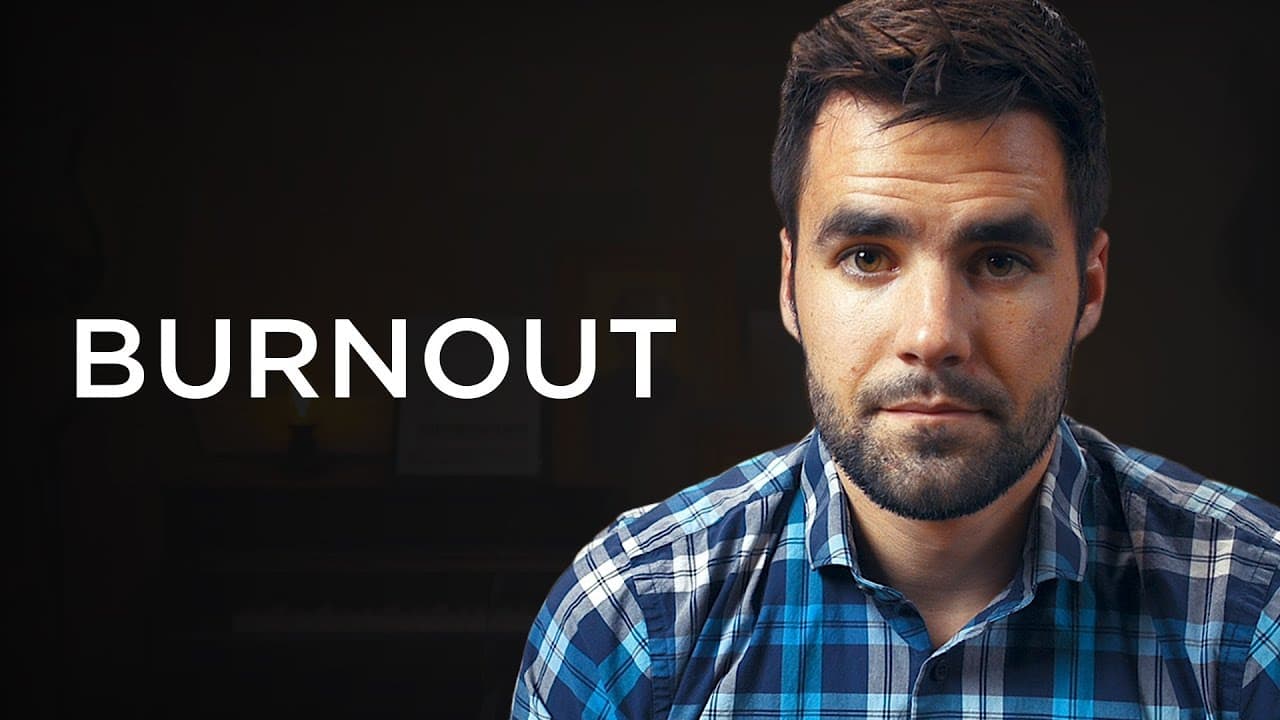
Recovering from burnout required taking a genuine vacation and, more importantly, reducing an overloaded schedule. In 2019, the creator was producing four or sometimes five videos a month while trying to make each one innovative, leaving him creatively exhausted and trapped by commitments. Cutting back brought new ideas and enthusiasm almost immediately. Read on for the specific changes and mindset shifts that helped.
Transcript
- This video is sponsored by Audible. And for a limited time, you can get more than 50% off three months of Audible by using the link in the description below to sign up. So just to let you know up front, this is gonna be a bit more of a strip down video, especially in comparison to the last video. But I think we're gonna talk about today doesn't n... Read More
Key Insights
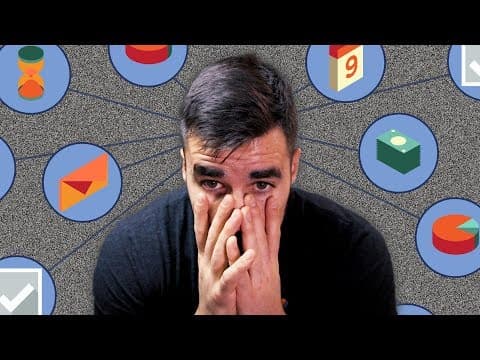
- ❓ Burnout can happen when the workload becomes overwhelming, and commitments start to feel suffocating.
- 💇 Cutting back on commitments and taking a break can help regain perspective and recharge creative energy.
- 😨 Fear of letting others down can prevent individuals from reducing their workload, but finding a balance is crucial.
Install to Summarize YouTube Videos and Get Transcripts
Explore YouTube Video Summarizer or Get YouTube Transcript Extractor
Questions & Answers
Q: How did the creator recover from burnout?
He took an actual vacation, cut work out as much as possible, and relied on his team to handle some responsibilities. More importantly, he asked his agency to rearrange his commitments and create a sparser production schedule.
Q: What caused the creator's burnout?
His schedule included four or sometimes five videos a month, booked several months in advance. Because he wanted every piece of content to be high quality and innovative, the volume of commitments left him creatively exhausted.
Q: What signs of burnout did he experience?
He became cynical and looked negatively at both his work and, in some cases, his life. New projects that might normally interest him instead caused agitation because they seemed like additional demands on already limited time.
Q: Why did he feel trapped by work he had chosen himself?
His scheduled sponsorships created deadlines months in advance, and he had taken on more commitments than he could comfortably fulfill. He had also built a team and feared that producing less content would tangibly affect other people's livelihoods.
Q: Why didn't working harder solve his burnout?
He repeatedly assumed that stress was his fault because he had been inefficient and told himself he would work harder the next month. Although he believed he could become more efficient, the more fundamental problem was the number of commitments he had accepted.
Q: How did he reduce his workload?
He spoke with the person running his agency and asked for help moving scheduled work around. This gave him a sparser schedule instead of months filled with four or five planned videos.
Q: What happened after he cut back on commitments?
He began getting ideas again almost immediately. He also regained interest in projects and subjects that had irritated him while he was burned out.
Q: How did taking a real vacation help his recovery?
He worked ahead before leaving and let his team take care of some responsibilities. By removing as much work as possible from the vacation, he was able to genuinely relax rather than treating the break like another working period.
Summary & Key Takeaways
-
The creator experienced burnout in 2019, feeling creatively exhausted and trapped within his own work.
-
He realized that his excessive schedule and numerous commitments contributed to his burnout.
-
Taking a break, reducing commitments, and changing his perspective on productivity helped him recover from burnout.
Read in Other Languages (beta)
Share This Summary 📚
Summarize YouTube Videos and Get Video Transcripts with 1-Click
Try YouTube Summary with ChatGPT & Claude or YouTube Transcript Generator
Explore More Summaries from Thomas Frank 📚
Summarize YouTube Videos and Get Video Transcripts with 1-Click
Try YouTube Summary with ChatGPT & Claude or YouTube Transcript Generator