Why Do You Feel Lost and How Can You Reconnect?
TL;DR
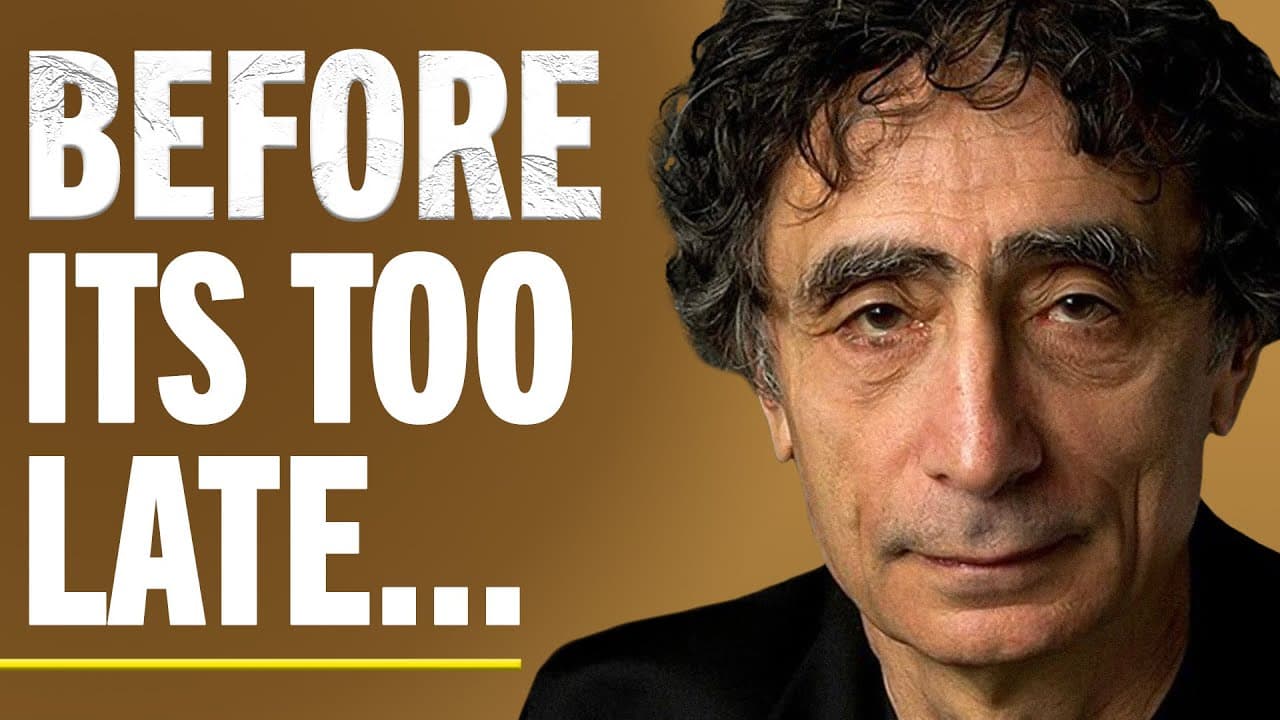
Feeling lost often reflects disconnection from genuine relationships, community, personal agency, and unresolved childhood wounds. Rebuilding face-to-face friendships and examining the pain behind harmful behaviors can create deeper change than adjusting superficial habits, because lasting transformation begins with healing the life beneath the behavior.
Transcript
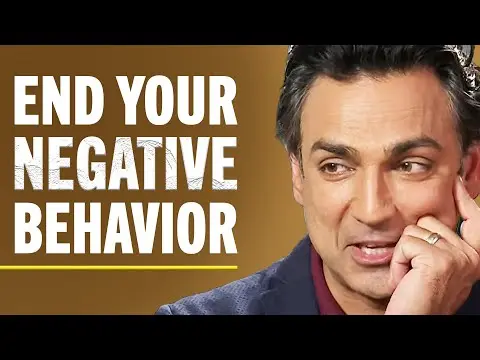
we think we can reinvent ourselves and as we do we're making ourselves sick when things happen in the present our response reflects some past experience it's the fundamental life that's being lived that needs to change not not the external behaviors you might liken modern society to a zoo where you take an animal from a natural habitat and you put ... Read More
Key Insights
- Human beings are adapted to communal, attachment-based groups, while modern society increasingly places them in artificial and disconnected circumstances. Social progress has benefits, but abandoning the supportive features of older communal life can contribute to loneliness and distress.
- Digital contact is not equivalent to genuine human connection. Face-to-face conversation includes eye contact, vocal modulation, gestures, attentive listening, agreement, and disagreement, while online exchanges can reduce people to isolated participants sending messages through technology.
- Real friendship is a necessity for human health, not merely a luxury. Scheduling an in-person meeting with a friend can restore contact that careers, family demands, and passive awareness through social media may otherwise displace.
- Online friendship can function as a substitute for supportive relationships. Labels such as friends and likes suggest intimacy, but people may not know one another well enough to provide genuine companionship, leaving loneliness unresolved despite frequent digital interaction.
- Addiction can develop as an attempt to soothe emotional pain. The behavior may then create shame, secrecy, and further isolation, producing a cycle in which disconnection increases pain and that increased pain drives renewed pursuit of the addictive relief.
- Life change is deeper than lifestyle change. Altering external behaviors may remain superficial when the person's underlying relationships, wounds, sense of agency, and fundamental way of living remain unchanged.
- Childhood wounds can shape present responses and behaviors. When current events trigger reactions connected to past experiences, healing the original wound may be more effective than concentrating exclusively on controlling the behavior it produced.
- Language can reveal hidden assumptions about health and behavior. Examining the meanings behind familiar terms can shift attention from blame and supposed choice toward pain, constraint, healing, and responsibility for becoming an active agent in one's own life.
Install to Summarize YouTube Videos and Get Transcripts
Explore YouTube Video Summarizer or Get YouTube Transcript Extractor
Questions & Answers
Q: Why do people feel lost in modern society?
People may feel lost because modern society increasingly separates them from community, meaningful relationships, personal agency, and the attachment-based conditions associated with human development. Urbanization and digitally mediated contact can intensify isolation even when people appear highly connected. Progress offers substantial benefits, but distress can grow when society discards supportive communal practices instead of carrying them forward.
Q: How does digital communication differ from genuine connection?
Digital communication allows people to exchange words, updates, and messages, but genuine connection operates across more levels. In person, people observe facial responses, listen to changes in voice, show agreement or disagreement, and adjust to each other continuously. Without that fuller interaction, people can remain socially wired while functioning as isolated individuals who do not feel deeply known.
Q: How can someone rebuild meaningful friendships?
A practical starting point is to arrange an in-person meeting with a friend, even if the available date is some time away. Careers, family responsibilities, and social media updates can create the impression that friendship is being maintained without direct contact. Putting a real meeting on the calendar converts a vague intention into an opportunity for genuine, supportive interaction.
Q: Why can social media leave people feeling lonely?
Social media uses words such as friends and likes, but those labels do not guarantee genuine knowledge, affection, or support. People can follow each other's activities and share cultural interests without spending meaningful time together. When these online relationships replace face-to-face friendship, the appearance of connection can coexist with dissatisfaction, isolation, and a continued need to numb emotional discomfort.
Q: How does disconnection contribute to addiction?
Disconnection can contribute to addiction by leaving a person alone with emotional pain. A soothing behavior may provide temporary relief, but it can also produce shame, secrecy, and withdrawal from other people. That isolation increases pain, which can drive further pursuit of the same relief. The result is a repeating cycle linking trauma, addictive behavior, shame, disconnection, and renewed distress.
Q: What is the difference between life change and lifestyle change?
Lifestyle change usually refers to modifying visible behaviors, while life change addresses the deeper reality producing those behaviors. A person may need to examine relationships, childhood wounds, emotional pain, and the degree to which they actively direct their own life. When the underlying wound heals and the fundamental life changes, healthier behaviors may follow rather than requiring constant external control.
Q: How can childhood experiences affect present behavior?
Responses to present events can reflect experiences and wounds from childhood. A person may develop behaviors that once soothed pain or helped them adapt, then continue using those behaviors later without recognizing their origin. Focusing only on stopping the behavior can miss its function. Examining and healing the wound can support deeper change in present reactions and choices.
Q: Why is personal agency important for lasting change?
Personal agency means recognizing that the present life belongs to the person living it and that they must become an active participant in changing it. Childhood wounds may explain why certain behaviors formed, but lasting transformation requires understanding those influences and taking ownership of the current direction. This approach joins compassion for past pain with responsibility for present life.
Summary & Key Takeaways
-
Modern society provides valuable progress, yet it increasingly separates people from the communal, attachment-based conditions that shaped human life. Urbanization, weakened neighborhoods, and isolated living can leave adults and children disconnected. The challenge is to preserve modern benefits while restoring meaningful relationships and the valuable features of older communal ways.
-
Digital communication can exchange information, but it does not reproduce the layered interaction of meeting face to face. Genuine conversation includes attention, vocal modulation, expressions, agreement, and disagreement. Online friends and likes may become substitutes for supportive relationships, leaving people socially wired while still feeling lonely, dissatisfied, and emotionally disconnected.
-
Lasting change requires examining the fundamental life beneath visible habits. Addictive or harmful behaviors may soothe pain produced by childhood wounds, but shame and concealment deepen isolation. Healing therefore involves understanding the wound, accepting responsibility for one's present life, and becoming its active agent, allowing behavior to change as deeper transformation occurs.
Read in Other Languages (beta)
Share This Summary 📚
Summarize YouTube Videos and Get Video Transcripts with 1-Click
Try YouTube Summary with ChatGPT & Claude or YouTube Transcript Generator
Explore More Summaries from Dr Rangan Chatterjee 📚


Summarize YouTube Videos and Get Video Transcripts with 1-Click
Try YouTube Summary with ChatGPT & Claude or YouTube Transcript Generator