Doctor Reacts To DRAMATIC Lifeguard Rescues
TL;DR
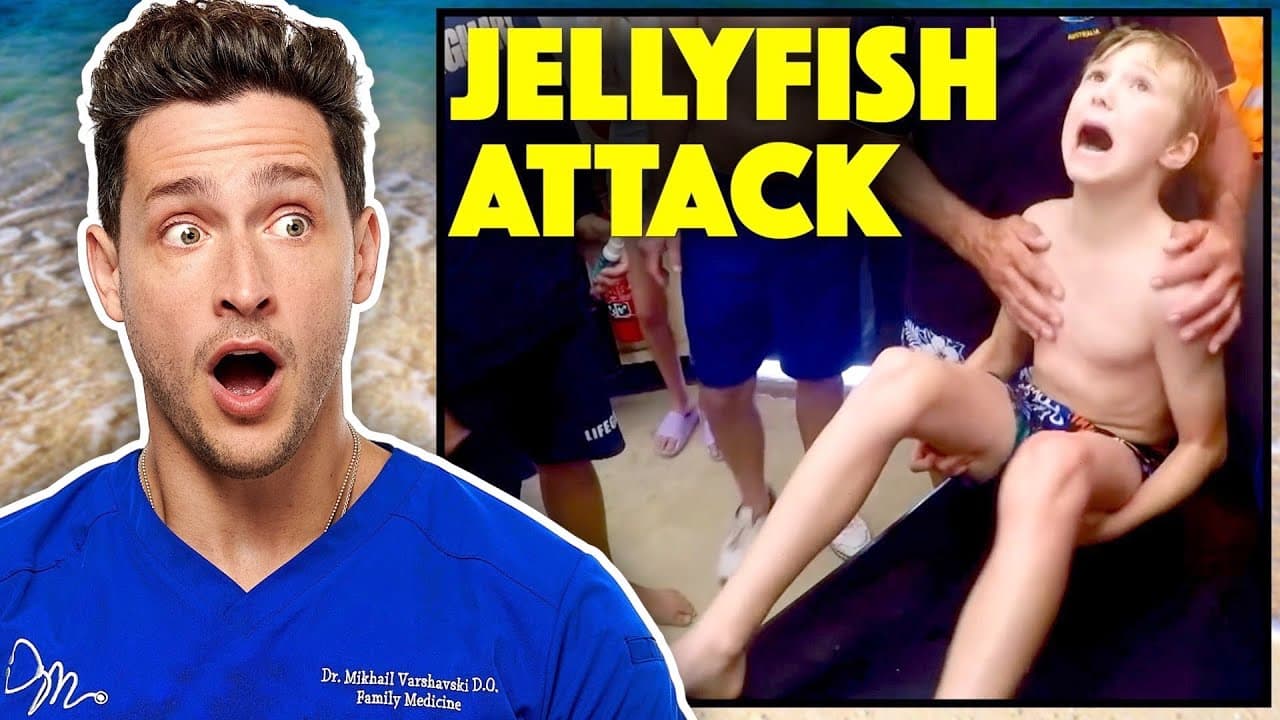
The content explores dramatic medical emergencies experienced at Bondi Beach, detailing rescue procedures and treatments.
Transcript
- Bondi Beach is one of the most popular beaches in Australia. Bondi Rescue is a reality TV show that covers some of the drama that goes down on the beach. Here are some of the most wild medical emergencies that have happened on the show. Beewoop! - Get him outta the water, ready? And then we'll start and compressions up here. - All right, super im... Read More
Key Insights
- 😷 Bondi Beach is not only a renowned surf destination but also a hub for emergency medical situations that lifeguards must navigate.
- 🚨 Drowning emergencies require specific initial responses that differ from general CPR practices, highlighting the need for specialized training.
- 🥶 Lifeguards must remain aware of various beach-related hazards, including jellyfish stings and cold water allergies, necessitating quick action and appropriate treatment.
- 🚨 Communication and teamwork among lifeguards are crucial for effective victim rescue and emergency response.
- 🤩 EpiPens play a key role in treating severe allergic reactions, underscoring the critical need for accessible emergency medication on beaches.
- 😷 The physiological differences in patient responses based on their medical history can significantly impact rescue effectiveness and patient stabilization efforts.
- 😷 Lifeguards often face moral dilemmas in prioritizing immediate care versus obtaining a complete medical history from patients, which complicates emergency treatment scenarios.
Install to Summarize YouTube Videos and Get Transcripts
Explore YouTube Video Summarizer or Get YouTube Transcript Extractor
Questions & Answers
Q: What is the first step a lifeguard should take when dealing with a drowning victim?
The lifeguard must prioritize safety by getting the victim out of the water. They should promptly call for help by clearly indicating a person to dial emergency services, effectively mobilizing the necessary resources. Once the victim is safe, starting rescue breaths is vital before proceeding with chest compressions, as drowning victims often need immediate assisted breathing.
Q: Why is it critical to perform rescue breaths for drowning victims rather than just chest compressions?
Drowning victims typically have little to no oxygen left in their blood, as opposed to individuals who experience a heart attack on land. This makes rescue breaths essential to introduce oxygen back into their system. Without this direct oxygen replenishment, chest compressions alone are insufficient, and the victim remains at high risk for severe hypoxia.
Q: How does a defibrillator assist in resuscitating someone who has lost consciousness?
A defibrillator analyzes the heart's rhythm to determine if it is shockable. If the device identifies a shockable rhythm, it safely resets the heart's electrical activity. It requires the area around the patient to be clear during shock delivery to prevent accidental electrocution, emphasizing the importance of coordinated team effort during resuscitation efforts.
Q: What are some common reactions to Portuguese Man O' War stings, and how can they be treated?
Stings from Portuguese Man O' War result in severe pain, welts, and sometimes dermatitis due to venomous nematocysts embedded in the skin. Treatments may include rinsing with vinegar to deactivate the nematocysts and pain relief methods such as using a green whistle for sedation. Understanding the wound’s response is vital for effective treatment.
Q: In what situations should lifeguards opt to perform reductions on-site for dislocations?
Lifeguards typically only execute on-site reductions in cases of neurovascular compromise, where blood flow may be critically impaired to an area. This decision involves assessing whether immediate action could prevent permanent damage, highlighting the need to balance urgency with safety concerning the patient's overall health.
Q: What is the significance of using EpiPens for individuals experiencing anaphylaxis on the beach?
EpiPens deliver adrenaline to counteract the life-threatening effects of anaphylaxis, including airway swelling and drastic blood pressure drops. Lifeguards must quickly identify anaphylaxis symptoms and efficiently administer an EpiPen to stabilize the patient’s condition, emphasizing the importance of training in recognizing severe allergic reactions.
Summary & Key Takeaways
-
Bondi Rescue showcases various life-threatening scenarios faced by lifeguards, emphasizing the urgent response required in drowning situations and allergic reactions.
-
Key medical interventions include CPR techniques tailored for drowning victims and the use of EpiPens for severe allergic reactions in beachgoers.
-
The content highlights the challenges lifeguards face in maintaining safety amidst chaotic circumstances, underscoring the importance of quick decision-making and teamwork.
Read in Other Languages (beta)
Share This Summary 📚
Summarize YouTube Videos and Get Video Transcripts with 1-Click
Try YouTube Summary with ChatGPT & Claude or YouTube Transcript Generator
Explore More Summaries from Doctor Mike 📚




Summarize YouTube Videos and Get Video Transcripts with 1-Click
Try YouTube Summary with ChatGPT & Claude or YouTube Transcript Generator