Game Theory: Illusion of Gaia, World Wonders
TL;DR
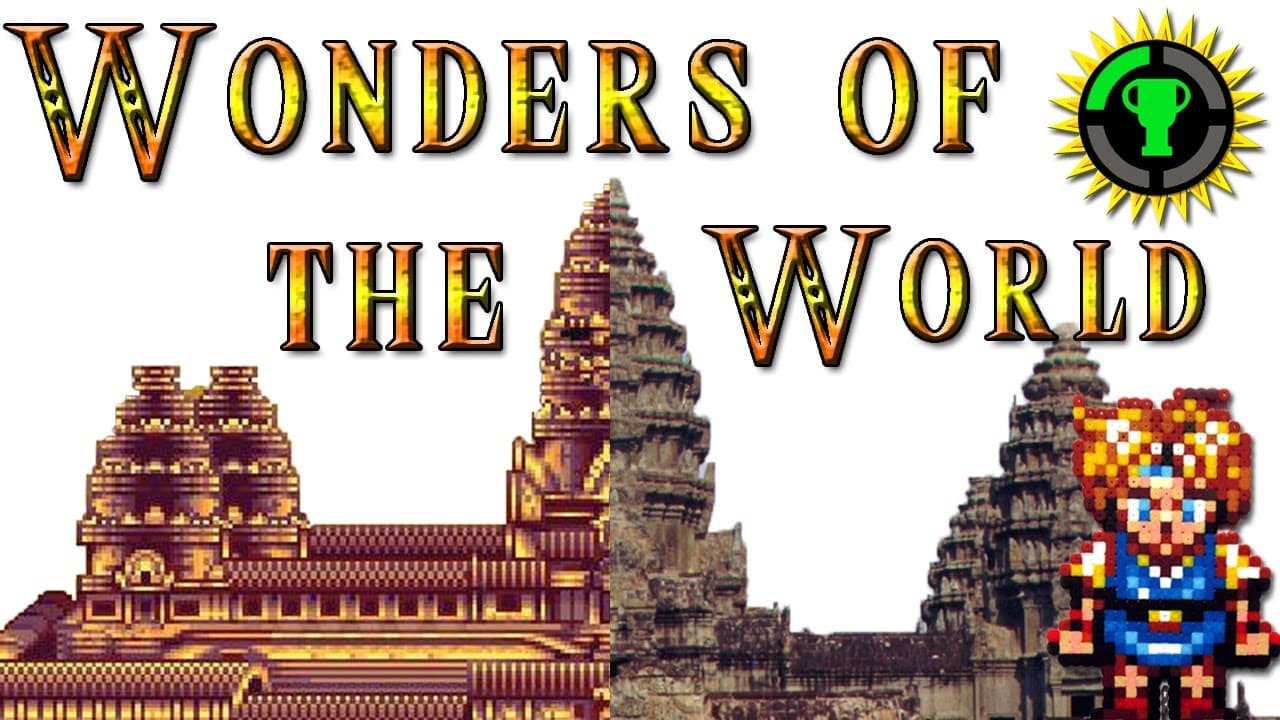
Discover real-world locations in the game Illusion of Gaia, mirroring ancient civilizations with historical accuracy.
Transcript
Put on your conquistador helmets and brush up on your geography cuz we're exploring some world wonders. What a wonderful world. Hello internet and welcome to Game Theory, gaming's tangential learning experience. Through these videos, it's my goal to teach you a little bit about a diverse cross section of subjects and yet I'll admit, I too have been... Read More
Key Insights
- 🌍 Illusion of Gaia intricately integrates real-world historical sites with its gaming narrative.
- 👾 The game's portrayal of ancient civilizations like the Incas and Cambodian temples adds depth and authenticity.
- 👻 Exploring locations such as the Inca village and the Nazca Lines allows players to learn about ancient cultures.
- 🥶 The Tower of Babel symbolizes a transition from old to new in the game's storyline.
- 💅 Illusion of Gaia encourages players to explore the wonders of the world and appreciate its beauty and mystery.
- 👾 Each location in the game reflects the historical accuracy and significance of ancient civilizations.
- 🧑🏭 By blending fiction with fact, Illusion of Gaia offers a unique gaming experience centered on exploration and discovery.
Install to Summarize YouTube Videos and Get Transcripts
Explore YouTube Video Summarizer or Get YouTube Transcript Extractor
Questions & Answers
Q: How does Illusion of Gaia integrate real-world historical locations into the game?
Illusion of Gaia seamlessly weaves real-world historical sites like the Inca village and Angkor Wat into its storyline, adding depth and authenticity to the gaming experience. The game's portrayal of these locations reflects their historical significance and allows players to explore the wonders of our world through a virtual setting.
Q: What is the significance of the Tower of Babel in Illusion of Gaia?
The Tower of Babel serves as the final stretch of the game, symbolizing a transition from an old world to a new era. Just like the biblical tale, the events in the tower lead to a profound change, marking a rebirth for the Earth in the game's narrative.
Q: How does Illusion of Gaia connect ancient civilizations like the Incas and the Nazca Lines?
The game draws parallels between the Incas’ worship of the sun and gold and the mysterious Nazca Lines, suggesting a spiritual connection between these ancient cultures. By exploring these sites in the game, players can delve into the mysteries and histories of these civilizations.
Q: What role does exploration play in Illusion of Gaia?
Exploration is a key aspect of Illusion of Gaia, allowing players to delve into the rich history of real-world locations like the Inca village, Angkor Wat, and the Tower of Babel. By immersing players in these ancient wonders, the game encourages curiosity and discovery.
Summary & Key Takeaways
-
Illusion of Gaia features real-world historical sites, blending fiction with fact.
-
The game explores locations like the Inca village, Nazca Lines, Angkor Wat, and the Tower of Babel.
-
Each location is depicted accurately, showcasing the rich history and mystery of these ancient wonders.
Read in Other Languages (beta)
Share This Summary 📚
Summarize YouTube Videos and Get Video Transcripts with 1-Click
Try YouTube Summary with ChatGPT & Claude or YouTube Transcript Generator
Explore More Summaries from The Game Theorists 📚





Summarize YouTube Videos and Get Video Transcripts with 1-Click
Try YouTube Summary with ChatGPT & Claude or YouTube Transcript Generator