What are nitazenes and why are they dangerous?
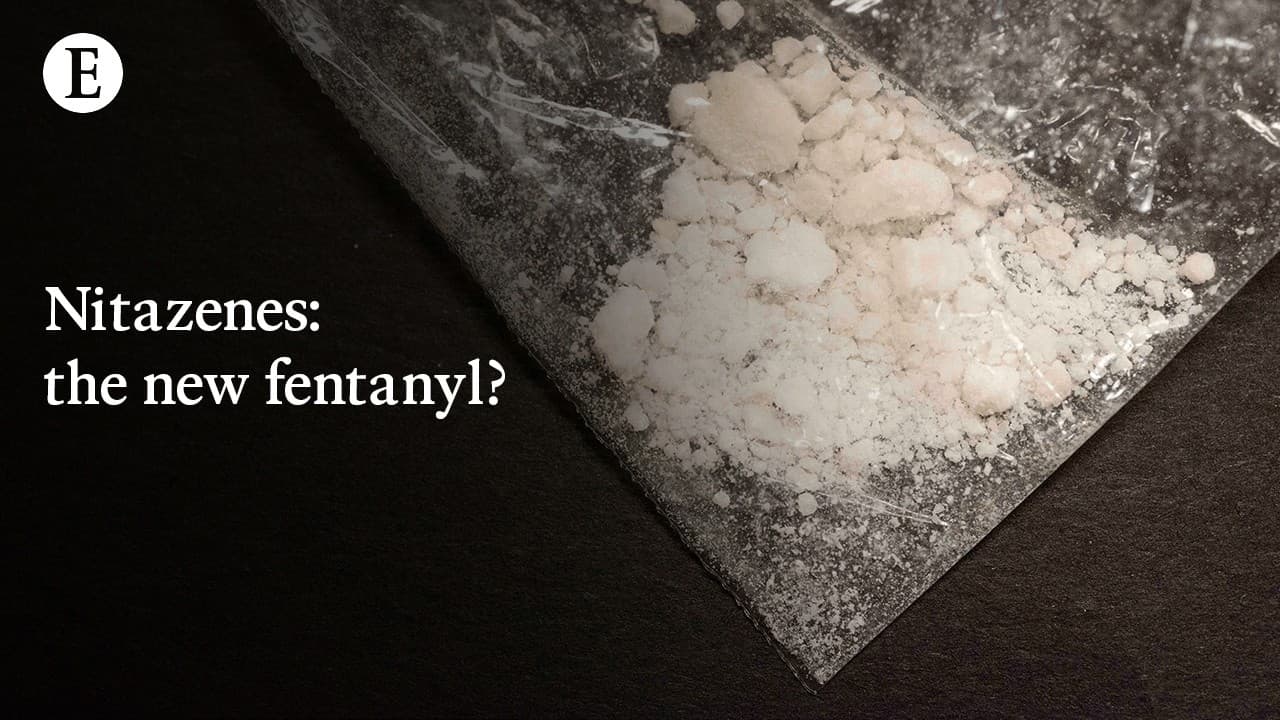
TL;DR
Nitazenes are a dangerous class of illicit opioids that can be extremely potent, sometimes found in drugs without users knowing. They pose serious overdose risks, partly due to a metabolite that can remain active even after initial treatment. Public health responses include warnings, antidote access, and monitoring of the drug supply alongside policy considerations.
Transcript
I'm Alec Ja and I'm the host of Babage here at The Economist. My name is Emmy Steinmark and I'm a science correspondent for The Economist. On today's episode, we're talking about nitizens, a type of illicit opioids that's causing real concern around the world. Emily, thanks for joining me. Thanks for having me. It's good to just get a bit of a back... Read More
Key Insights
- Nitazenes are a new and dangerous class of illicit opioids.
- Nitazenes can be very potent, increasing overdose risk.
- Overdose risk is heightened by active metabolites that can outlast the initial dose.
- Users can encounter nitazenes in heroin, tablets, or other drugs unknowingly.
- Public health responses include warnings and education for users.
- Antidote access remains a key tool, but dosing may require more than one administration.
- Supply-side factors and regulatory changes influence the appearance of nitazenes on the market.
- Prioritizing harm reduction and monitoring is essential to prevent future crises.
- More videos from this channel:
- More from this channel: The Economist
Install to Summarize YouTube Videos and Get Transcripts
Explore YouTube Video Summarizer or Get YouTube Transcript Extractor
Questions & Answers
Q: What are nitazenes and how do they relate to opioids?
Nitazenes are a class of illicit opioids that share the same general mechanism as other opioids, providing analgesic and euphoric effects. They act on the same brain receptors that opioids typically target, which explains their potent painkilling and rewarding properties. However, their extreme potency greatly elevates overdose risk, making traditional dosing and safety measures more challenging.
Q: Why is there renewed attention to nitazenes now?
Attention has grown because nitazenes have resurfaced as a powerful and dangerous presence in illicit drug markets across multiple regions. They have been linked to clusters of overdoses in various locales, prompting medical staff and authorities to improve detection, warning systems, and treatment readiness, including awareness of atypical drug batches.
Q: How do nitazenes cause danger in small doses?
Nitazenes cause danger in small doses due to their high potency and the possibility of metabolites that remain active after initial exposure. This means what might seem like a small amount can produce strong effects, including life-threatening respiratory suppression, especially when users are unaware of the drug’s presence in a normal dose.
Q: How are nitazenes typically encountered by users?
Users often encounter nitazenes mixed into heroin or included in tablets and other party drugs without recognizing their presence. They can be ingested through various routes such as snorting, injecting, or ingesting, which complicates dosing and increases the chance of accidental overdoses among people who think they are using a different substance.
Q: What makes nitazenes especially risky for medical responders?
The risk for responders lies in the metabolites of nitazenes that can be as potent as or more potent than the original drug. This can mean that an antidote dose might not be sufficient, or a second dose could be required, complicating emergency treatment and necessitating extended monitoring.
Q: What role do policy and regulation play in nitazene spread?
Policy and regulation influence supply and demand dynamics by affecting precursors, production, and trafficking routes. When enforcement changes occur, illicit producers may pivot to alternatives, such as nitazenes, which can undermine prior control strategies and create new health risks that require updated monitoring and harm-reduction approaches.
Q: What has been suggested as a response to nitazene-related harm?
Response strategies include warning campaigns to inform users about the risks, expanding access to the opioid antidote, and improving surveillance and clinical training for overdose management. Harm-reduction measures aim to reduce deaths while authorities monitor market changes and adapt public health messages and resources accordingly.
Q: Are prohibition policies likely to reduce nitazene problems or worsen them?
The discussion suggests that strict prohibition without harm-reduction considerations can push illicit markets toward more dangerous substitutions, including nitazenes. A balanced approach combining warnings, medical readiness, and targeted regulation may help reduce harm by informing users and supporting safer practices while monitoring and adjusting strategies as markets evolve.
Summary & Key Takeaways
-
Nitazenes are an illicit opioid class with high potency and unpredictable effects, making them particularly dangerous for users. The episode explains how these drugs can be hidden in other substances, leading to accidental overdoses. Public health responses focus on warnings and antidote readiness.
-
The pharmacology of nitazenes includes active metabolites that can complicate treatment after overdose. First responders may need to consider additional antidote doses due to metabolites acting after the initial dose. The discussion highlights the importance of understanding these pharmacokinetics for effective response.
-
Policy and supply dynamics are connected, with prohibition and regulation shaping drug markets. The episode notes how changes in regulation, precursors, and production regions influence the emergence of nitazenes and the strategies needed to monitor and prevent future crises.
Read in Other Languages (beta)
Share This Summary 📚
Summarize YouTube Videos and Get Video Transcripts with 1-Click
Try YouTube Summary with ChatGPT & Claude or YouTube Transcript Generator
Explore More Summaries from The Economist 📚






Summarize YouTube Videos and Get Video Transcripts with 1-Click
Try YouTube Summary with ChatGPT & Claude or YouTube Transcript Generator