How to turn failure into momentum with RPM
TL;DR
Failure is a learning step, not a dead end. The key is to define clear outcomes, understand why you want them, and build a focused plan called RPM — Results, Purpose, Massive Action Plan. By reframing failure as feedback and prioritizing 3–5 critical tasks, you regain momentum and stay productive.
Transcript
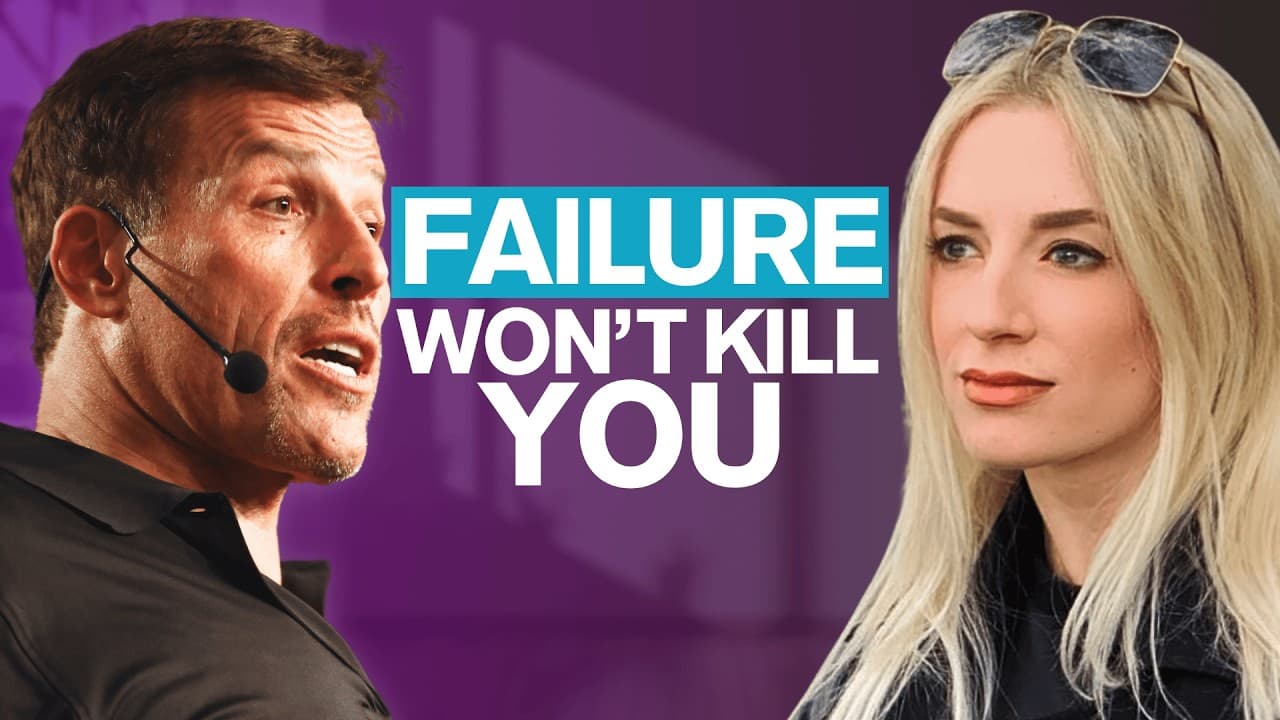
failure is not deadly. Giving up is. And he said, "I learned that day." That you know what? Rejection and failure are just speed bumps on the way to success. What's your question, Anna? How can I help you? Oh well, my question is how to deal with failures and to keep the mind always fresh and positive because I I doubt myself when I'm losing time a... Read More
Key Insights
- Failure is not deadly; giving up is the real risk and learning from rejection accelerates growth.
- The core mistake is treating success as everything working perfectly, while top performers fail far more often and learn faster.
- Clarity is power; knowing exact outcomes focuses thinking and drives productive action.
- Ask three questions for each week: what do I want, why I want it, and what will I do to get it.
- Reasons come first; strong motivations enable practical, how-to steps to follow through.
- RPM stands for Results, Purpose, and Massive Action Plan, a structured way to plan and execute with focus.
- Identify the 20 percent of actions that yield 80 percent of the result and prioritize them for the day or week.
- Failure should be reframed as learning and feedback rather than as a personal flaw, enabling resilience and continued effort.
Install to Summarize YouTube Videos and Get Transcripts
Explore YouTube Video Summarizer or Get YouTube Transcript Extractor
Questions & Answers
Q: What is RPM and how does it help with handling failure?
RPM stands for results, purpose, and a massive action plan. It guides you to first define the outcome you want, then connect it to a meaningful purpose, and finally build a focused plan with the least number of actions that will produce the majority of the result. This structure reduces overwhelm and makes progress measurable, turning failure into feedback rather than a setback.
Q: Why is clarity considered powerful in pursuing goals?
Clarity matters because when you know exactly what you want, your brain can organize information and resources toward that outcome. This reduces the noise from distractions and irrelevant tasks. Clear outcomes help you identify the most important actions and maintain motivation as you progress, creating momentum even after setbacks.
Q: How should one handle a large workload according to the video?
The approach is to break the workload into a few critical outcomes and then map those to specific actions that will produce the desired results. By prioritizing the top three to five tasks and aligning them with clear outcomes, you avoid the trap of a never-ending to-do list and stay focused on what truly moves you forward.
Q: What role do reasons play in following through on actions?
Reasons provide emotional energy and justification for doing difficult work. When you have a strong why, it compounds motivation and makes tougher steps feel purposeful. This emotional backing helps you persist through obstacles, making the how-to steps more actionable because the reasons propel sustained effort.
Q: How does the video suggest reframing failure?
The video suggests viewing failure as feedback and learning opportunities rather than as a personal flaw. By analyzing what went wrong, adapting the plan, and applying lessons to future efforts, you build resilience and improve performance. This reframing accelerates growth and reduces fear of trying again.
Q: What is the importance of questioning in productivity, as described?
The key idea is that thinking is about asking and answering questions. Instead of asking what to do next, you should ask what you really want, what outcome you seek, and why it matters. This leads to more purposeful actions and helps you avoid simply reacting to whichever tasks appear first.
Q: How can you use RPM to manage multiple projects across time?
RPM encourages blocking attention on three to five key outcomes at any time and using the plan to guide daily actions. When interruptions occur, you revisit the core outcomes and adjust your actions to stay aligned with the desired results. This keeps momentum across projects without becoming overwhelmed.
Q: What personal story does the video share to illustrate persistence?
The video recounts a childhood moment from Peter Guber that shaped his persistence. Although the exact details are brief, the takeaway is that the drive to keep moving forward often stems from early experiences and personal reasons. This anecdote reinforces the message that lasting achievement comes from consistent effort guided by meaningful intent.
Summary & Key Takeaways
-
The video presents a mindset shift that treats failure as feedback rather than a final verdict, emphasizing the importance of clarity and purpose to drive action. It introduces RPM, a three question framework that helps turn intentions into concrete, prioritized steps, reducing overwhelm and increasing progress.
-
A core theme is that success relies on skills beyond a great idea, including time management, planning, and persistence. Tony Robbins illustrates this through examples and practical workflow adjustments, underscoring that outcomes and reasons drive action more reliably than a long to do list.
-
The intervention features interactions with Anna, highlighting how choosing meaningful outcomes and reasons can transform how she allocates effort. The message is reinforced with real-world stories and a call to engage with RPM to design a deliberate life strategy.
Read in Other Languages (beta)
Share This Summary 📚
Summarize YouTube Videos and Get Video Transcripts with 1-Click
Try YouTube Summary with ChatGPT & Claude or YouTube Transcript Generator
Explore More Summaries from Tony Robbins 📚


Summarize YouTube Videos and Get Video Transcripts with 1-Click
Try YouTube Summary with ChatGPT & Claude or YouTube Transcript Generator