What Are the Misconceptions About Religious Architecture?
TL;DR
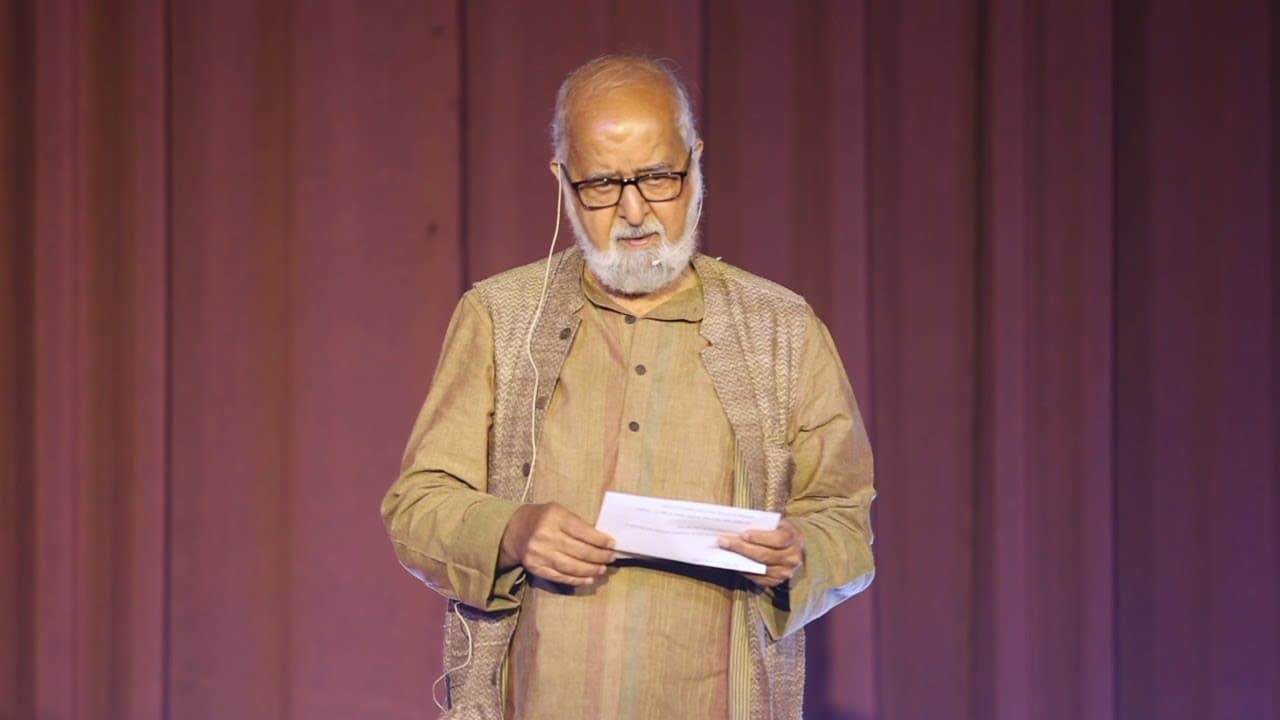
The categorization of architecture into Hindu, Muslim, and Christian is misleading and stems from colonial legacies. Architecture is not inherently tied to religion; for example, domes and arches predate Islamic and Christian uses. A deeper understanding of history reveals that architectural styles are diverse and cannot be confined to religious labels.
Transcript
[Applause] the one of the first uh inflection points as it were in my life was the day I decided not to continue in academics and left my PhD Midway to work for next 10 years among the slum dwellers of Delhi among the unorganized shop hands and uh the unorganized Youth and for those 10 years I spent organizing trade unions of headload workers and s... Read More
Key Insights
- 🔇 Academic exit to activism among Delhi's marginalized communities shaped the speaker's path.
- 👶 The failure of a child-centric initiative birthed educational heritage walks for urban children.
- ❓ Challenging the religious categorization of architecture reveals colonial influences on architectural identities.
- ❓ Domed architecture's origins predate Islamic and Christian influences.
- 🏷️ Architectural identity transcends religious labels.
- ❓ Colonial legacies have skewed architectural interpretations.
- ❓ The ambivalence of architectural history challenges entrenched categorizations.
Install to Summarize YouTube Videos and Get Transcripts
Explore YouTube Video Summarizer or Get YouTube Transcript Extractor
Questions & Answers
Q: What were the catalysts for the speaker's transition from academia to activism in Delhi?
The speaker's decision to leave a PhD midway was driven by a desire to work among slum dwellers and unorganized youth, organizing trade unions and advocating for the marginalized.
Q: How did the failure of the creative center lead to the initiation of 'Discover Delhi Walks'?
The unsuccessful child-centric center prompted the speaker to introduce urban children to Delhi's historical heritage through educational walks, sparking curiosity and awareness among the young participants.
Q: What triggered the speaker's exploration of architectural identity in India?
A child's inquiry regarding the dominance of Muslim-built structures in Delhi prompted the speaker to delve into the country's architectural heritage, questioning the conventional Hindu-Muslim architectural labels.
Q: How does the speaker challenge the religious categorization of architecture?
By debunking the association of architectural elements like domes and arches with specific religions, the speaker emphasizes that architecture transcends religious boundaries and should be viewed in a secular light.
Summary & Key Takeaways
-
Transitioning from academia to activism, the speaker delves into their pivotal life experiences among Delhi's underprivileged.
-
The failure of a child-centric creative center led to the inception of 'Discover Delhi Walks,' aiming to educate urban children on their city's history and heritage.
-
Challenging the notion of religiously categorized architecture, the speaker questions the colonial influence on architectural identities.
Read in Other Languages (beta)
Share This Summary 📚
Summarize YouTube Videos and Get Video Transcripts with 1-Click
Try YouTube Summary with ChatGPT & Claude or YouTube Transcript Generator
Explore More Summaries from TEDx Talks 📚





![The future of Employment Everything] is Social & Digital | Syed Aiyaz Uddin | TEDxVIFT thumbnail](/_next/image?url=https%3A%2F%2Fi.ytimg.com%2Fvi%2F9Ta_I24CB-M%2Fhqdefault.jpg&w=750&q=75)
Summarize YouTube Videos and Get Video Transcripts with 1-Click
Try YouTube Summary with ChatGPT & Claude or YouTube Transcript Generator